



The Anti-siphon Performance Test Machine plays a critical role in evaluating the backflow prevention ability of plumbing fixtures such as water nozzles, showers, inlet valves, flushing valves, and intelligent toilets. In modern plumbing systems, preventing water contamination caused by reverse siphoning is essential to ensure user safety and maintain compliance with international quality standards.
This advanced testing machine simulates real-life water pressure conditions to determine whether a product can effectively resist back-siphonage. Through precision control and automatic data collection, it helps manufacturers verify product reliability and guarantee long-term durability in everyday use.
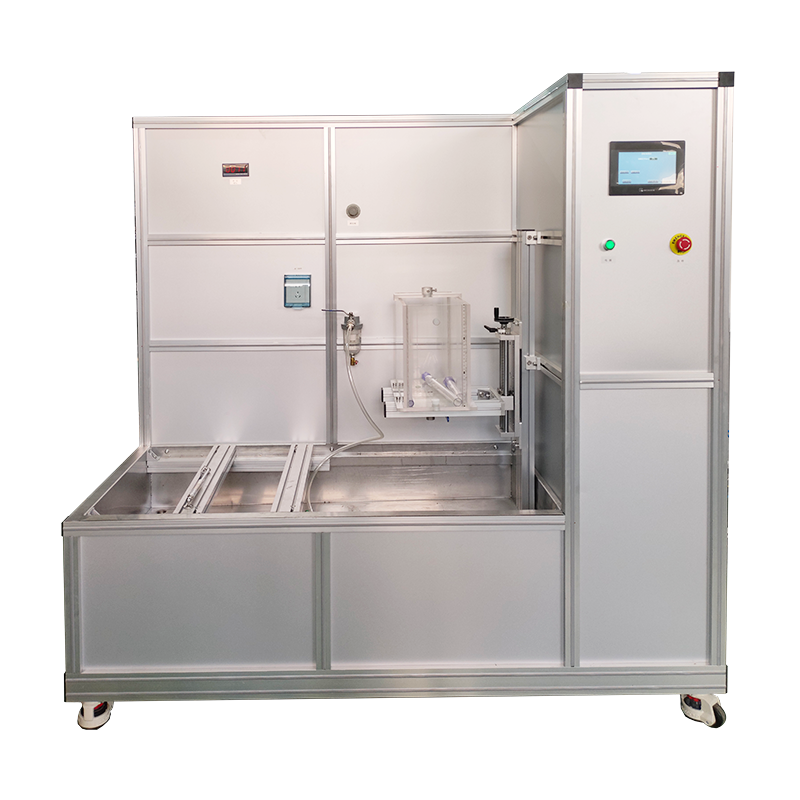
What Is an Anti-siphon Performance Test Machine?
The Anti-siphon Performance Test Machine is a specialized laboratory device designed to simulate negative pressure or vacuum conditions in a water supply pipeline. During testing, it evaluates how well a product—such as a shower, flushing valve, or smart toilet—prevents contaminated water from being drawn back into the system.
This testing process is vital for ensuring that plumbing fixtures meet safety standards and comply with global regulations such as ASME A112.18.1, IEC 61770, and GB/T 23447. By using this equipment, manufacturers can confirm that their products provide proper protection against siphoning and backflow, thus safeguarding both consumers and municipal water systems.
How the Anti-siphon Test Works
The machine uses a vacuum or negative pressure simulation system to reproduce real-life conditions that may occur in plumbing networks. It includes test stations for different fixtures—typically one for showers, inlet valves, and intelligent toilets, and another for flushing valves.
The aluminum-profile frame design ensures stability and corrosion resistance, while the touch-screen control interface allows users to set parameters and monitor results easily. The test procedure includes:
-
Vacuum generation: The machine creates a controlled negative pressure to simulate siphon conditions.
-
Sample loading: Fixtures such as nozzles or valves are connected to the test stations.
-
Performance measurement: Sensors detect whether any backflow or air bubbles occur, indicating potential failure.
-
Data recording: The system automatically collects test data and stores it for analysis and reporting.
This automated setup ensures high precision, repeatability, and compliance with standard testing procedures.
Key Features and Technical Highlights
-
Working voltage: Three-phase AC 380V for pumps, heating, and refrigeration; single-phase AC 220V for control systems.
-
Testing range: Compatible with water nozzles, showers, inlet valves, flushing valves, and intelligent toilets.
-
Structure: Aluminum profile frame with aluminum-plastic sealing plate for durability and clean appearance.
-
Power: Up to 3 kW for stable operation.
-
Test stations: Two fully independent test sections for simultaneous evaluation.
-
Control system: Touch-screen monitor for real-time display and data control.
-
Dimensions: 14,000 mm (L) × 1,000 mm (W) × 1,800 mm (H).
This configuration ensures flexible operation, fast switching between different test items, and consistent results across multiple test cycles.
Why Anti-siphon Testing Is Essential
Anti-siphon testing is not only a compliance requirement—it is a fundamental safety measure. When water pressure drops suddenly in a supply system, contaminated water can be pulled back into the clean line, creating serious health risks.
By integrating anti-siphon testing into the production process, manufacturers can:
-
Ensure compliance with plumbing safety standards.
-
Prevent contamination and guarantee consumer safety.
-
Enhance product reputation by demonstrating performance reliability.
-
Reduce warranty claims and field failures due to poor backflow prevention.
For industries that produce high-end plumbing fixtures or smart sanitary devices, consistent anti-siphon performance directly reflects the brand’s engineering strength and product credibility.
Applications in the Plumbing and Sanitary Industry
The Anti-siphon Performance Test Machine is widely used across various sectors:
-
Shower and faucet manufacturers test backflow resistance to meet CE or CSA certification.
-
Smart toilet producers verify siphon prevention in complex water circuits.
-
Flushing valve suppliers use it for endurance and leakage testing.
-
Quality control laboratories perform standard-compliant sampling tests for multiple product batches.
Its versatility allows it to handle diverse product designs and functional requirements, making it an essential part of quality assurance systems for both R&D and production environments.
Advantages of LITUO’s Anti-siphon Performance Test Machine
Developed by Lituo Testing Instrument Co., Ltd., this machine combines precision engineering and intelligent control for maximum efficiency. Lituo’s independently developed system provides:
-
High automation with PLC control and touch-screen interface.
-
Stable vacuum performance for repeatable results.
-
Data logging with report generation in Word, Excel, and PDF formats.
-
Modular structure that supports multi-station customization.
With decades of testing experience, Lituo’s machines have become trusted tools in plumbing fixture manufacturing and certification laboratories worldwide.
Choosing the Right Test Machine
When selecting an Anti-siphon Performance Test Machine, manufacturers should consider:
-
Number of test stations required.
-
Compatibility with product size and material.
-
Data acquisition and report generation capabilities.
-
Compliance with national and international test standards.
-
Long-term reliability and after-sales service.
Choosing a machine that integrates intelligent monitoring, stable operation, and accurate control ensures higher productivity and consistent test results.
Conclusion
The Anti-siphon Performance Test Machine is a vital instrument for ensuring the safety, reliability, and compliance of plumbing fixtures. By simulating backflow conditions, it helps manufacturers detect potential design flaws before products reach the market.
As water safety standards continue to tighten globally, investing in a high-quality anti-siphon tester—like Lituo’s advanced model—is an essential step toward maintaining product quality, protecting end users, and enhancing brand reputation.
Post time: Oct-21-2025


