



Introduction: The Hidden Engineering Behind Trusted Bathroom Brands
In the competitive global bathroom fixtures market, the difference between a premium brand and a generic product is proven in the lab, not just the showroom. For manufacturers targeting international markets, overcoming costly leaks, failing durability tests, and facing border rejections requires a data-driven approach. This article presents three definitive bathroom product testing case studies that reveal how an integrated bathroom product testing system is central to preventing failures, ensuring compliance with standards like UPC and EN, and building the trust that commands higher prices and customer loyalty. Discover how leading manufacturers leverage these systems to turn quality control into their greatest competitive advantage.
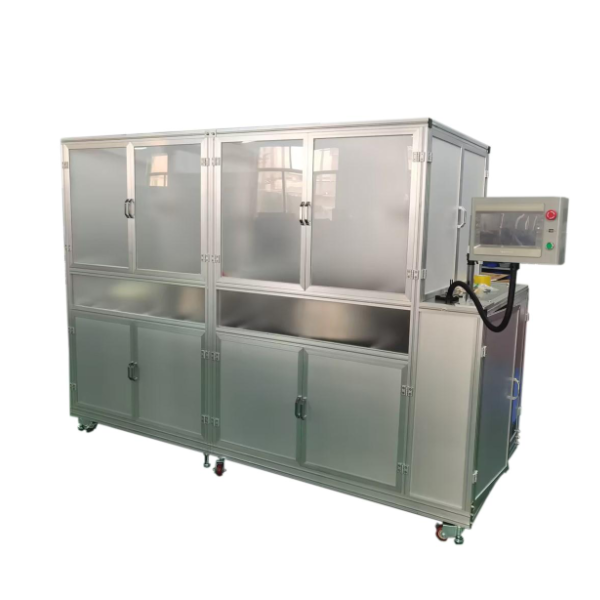
Case Study 1: Preventing Costly Leaks – How an Integrated Testing System Secured North American Market Access
A ceramic sanitaryware manufacturer faced devastating field failures in North America: persistent leaks in toilet tank fittings and cracks under pressure, leading to water damage claims and lost distributor trust.
The Problem: The High Cost of Inadequate Testing
Visual inspections failed to simulate the dynamic, high-pressure environment of North American plumbing. The manufacturer lacked data to predict long-term performance, resulting in unpredictable and costly failures.
The Testing Solution: Centralizing Validation with an Advanced System
The company revolutionized its process by implementing a comprehensive integrated bathroom product testing system. This single, automated platform replaced multiple standalone devices and enabled:
- Unified Hydrostatic Pressure & Fatigue Testing: The system automatically subjected entire toilet units to sustained high pressure (150% of rated PSI) and cyclic surges, simulating decades of water hammer stress in a controlled, repeatable cycle.
- End-to-End Endurance Validation: A dedicated automated toilet test system module executed hundreds of thousands of flush and fill cycles, concurrently testing valve reliability, seal integrity, and tank stability.
- Automated Thermal Shock Analysis: The platform streamlined thermal cycling tests, rapidly moving fixtures between extreme temperatures to identify vulnerabilities in ceramic and glaze.
The ROI: From Liability to Leader
Within a year of deploying the integrated bathroom product testing system, field leak callbacks dropped to near zero. The reliable, auditable data it produced was instrumental in securing UPC and cUPC certifications—a non-negotiable requirement for major distributors. The investment in this automated testing solution was quickly recouped by eliminating a single major warranty claim and opened doors to lucrative commercial projects.
Case Study 2: Validating Premium Claims – How Data from a Testing System Justified a 40% Price Increase
A designer faucet brand’s claims of “superior water feel” and “exceptional durability” were met with skepticism in the discerning European market. Without objective proof, their premium positioning was unsustainable.
The Challenge: Moving from Marketing Hype to Certified Performance
The brand needed to quantify every claim: precise water efficiency, consistent flow rate, and verifiable finish durability against corrosion and wear to meet EN standards.
The Testing Protocol: Quantifying Quality with Precision
They utilized a configurable integrated bathroom product testing system to run a battery of parallel, reproducible tests:
- Precision Flow & Efficiency Suite: The system simultaneously measured flow rates across multiple faucet samples at various pressures, generating the consistent data needed for the European Water Label and WELL Building Standard compliance.
- Accelerated Corrosion Testing: Chambers within the system conducted rigorous salt spray testing per ASTM B117 and EN ISO 9227, providing definitive proof of finish longevity.
- Automated Mechanical Durability Tests: The integrated bathroom product testing system performed tens of thousands of automated on/off cycles and handle load tests, delivering undeniable evidence of mechanical lifespan.
The Outcome: Specified, Not Just Sold
The comprehensive test reports generated by the system transformed their catalog into a technical dossier. Architects and specifiers could now see guaranteed performance metrics, leading to the collection being specified into high-end hotels and residences. This data-driven credibility allowed the brand to successfully command a 40% price premium, transforming their market position.
Case Study 3: Engineering for Public Spaces – How Automated Testing Wins Commercial Contracts
A manufacturer aiming for the commercial sector lost a major hotel bid because their fixtures were perceived as “residential-grade.” They needed to prove exceptional durability for high-traffic, high-abuse environments.
The Imperative: Demonstrating Unmatched Durability
Commercial contracts require evidence that fixtures can withstand constant use, vandalism, and harsh cleaning chemicals without failing or degrading aesthetically.
Beyond Compliance: Simulating Decades of Use in Days
The company adopted an “accelerated lifecycle testing” program powered by a programmable integrated bathroom product testing system:
- Combined Abuse Simulation: The system was configured to sequentially apply abrasive cleansers, conduct scratch tests, and then spray chemicals, providing a holistic view of surface durability.
- Vandalism-Resistance Validation: A heavy-duty automated toilet test system applied extreme static and dynamic loads to seats, hinges, and mounting points, far exceeding ADA grab bar testing requirements to ensure safety under misuse.
- Continuous Traffic Simulation: The system ran non-stop cycling tests on flush valves and drains, simulating years of peak restroom traffic in a matter of weeks to predict product lifespan accurately.
The Marketing Edge: The Trust Dossier
The manufacturer compiled all data from the integrated bathroom product testing system into a “Commercial Durability Dossier” for each product. Presenting this objective, machine-generated proof in their bids directly led to winning contracts with international hotel chains and airport authorities, establishing their brand as engineered for public use.
How to Build Your Testing Strategy with the Right System
These bathroom product testing case studies illustrate that modern quality assurance is strategic. Here’s how to build yours:
Step 1: Align Your Testing with Market Geography
Your integrated bathroom product testing system must be configured for your target markets:
- North America: Program tests for UPC/cUPC, NSF/ANSI 61, and ADA compliance.
- Europe: Ensure it can execute protocols for CE Marking, WRAS, and key EN standards.
- Australia/New Zealand: Validate its capability to support WaterMark certification processes.
Step 2: Choose a Partner That Provides More Than a Machine
Select a supplier whose integrated bathroom product testing system comes with:
- Certification Pathway Expertise: Guidance on turning test data into approved certifications.
- Global Accreditation: Assurance that the system’s outputs are recognized by international bodies.
- Technical Partnership: Ongoing support for test customization, failure analysis, and process improvement.
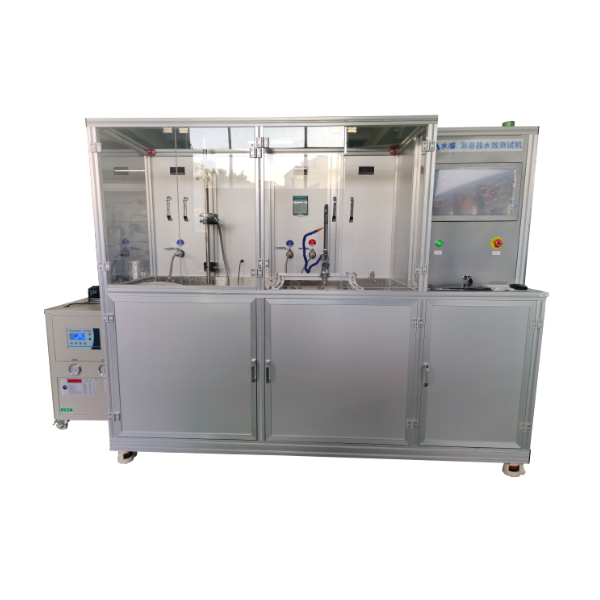
Conclusion: Your Brand’s Foundation of Irrefutable Proof
Strategic bathroom product testing is the core of modern manufacturing excellence. As these case studies prove, implementing an integrated bathroom product testing system is not an expense but a transformative investment. This technology turns subjective quality claims into irrefutable, data-driven assets—enabling you to slash warranty costs, secure mandatory certifications, win high-value contracts, and build an unbreakable brand reputation. In today’s market, the comprehensive evidence generated by an automated toilet test system and its broader testing platform is your most powerful tool for growth and differentiation.
Post time: Feb-03-2026


