



Beyond the Flush: How Component Fatigue Testing Guarantees Your Smart Toilet’s Decade of Reliability
A smart toilet is a symphony of precision components—booster pumps, pressure valves, spray assemblies, and heating elements—each expected to perform flawlessly tens of thousands of times. A single fatigued valve or a worn-out pump can lead to leaks, inconsistent performance, and costly warranty claims that tarnish your brand. How can you simulate a decade of daily use for these critical parts in a matter of weeks? The Component Fatigue Testing Machine provides the definitive, data-driven answer. This specialized system is engineered to conduct accelerated life and fatigue tests on individual assemblies, uncovering wear-out mechanisms and validating their lifespan long before the product reaches the consumer. This guide explores why it’s the cornerstone of dependable smart bathroom manufacturing.
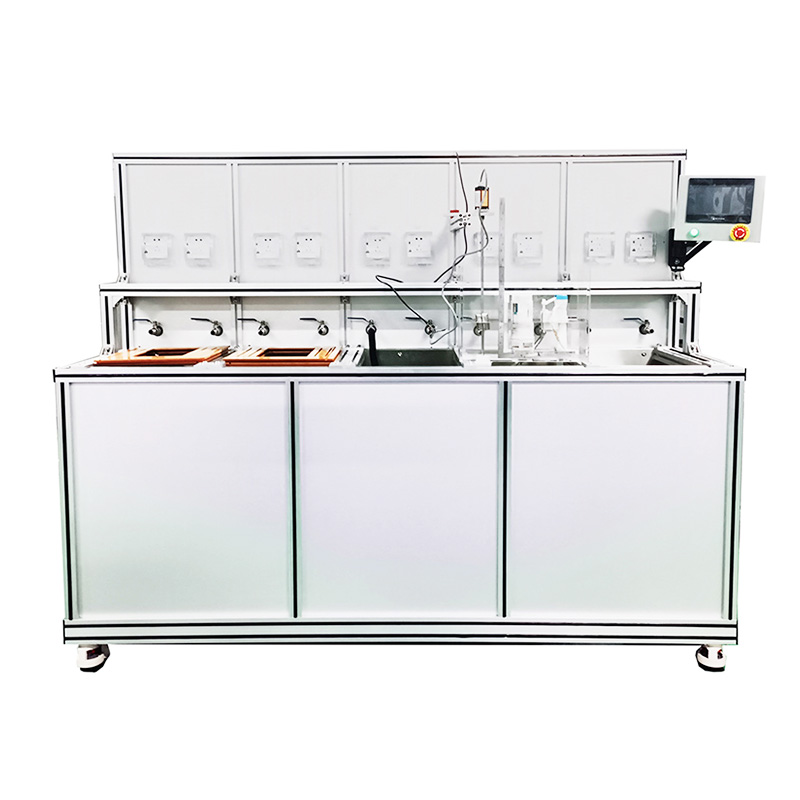
What is a Component Fatigue Testing Machine?
A Component Fatigue Testing Machine is a programmable, automated test system designed to subject specific sub-assemblies to accelerated, repetitive operating cycles until failure or a predetermined lifecycle is reached. As your product description specifies, its primary application is for the fatigue life test of intelligent toilet components, including the booster pump, pressure reducing valve, spray gun assembly, flushing/heating assembly, and flush valve. Unlike testing the finished product, this machine isolates and stresses individual functional modules, applying precise pressures, flows, electrical loads, and thermal cycles to simulate years of real-world operation. It is the ultimate tool for product reliability validation at the component level.
Targeted Testing for Critical Smart Toilet Assemblies
The machine’s versatility allows it to be configured for the unique failure modes of each key component:
- Booster Pump & Pressure Reducing Valve: Subjects pumps and valves to continuous high-frequency on/off pressure cycles and flow rate variations to test diaphragm integrity, seal wear, and motor endurance.
- Spray Gun Assembly: Cycles the nozzle extension/retraction mechanism thousands of times under controlled water pressure to test for mechanical wear, solenoid valve failure, and leakage.
- Flushing & Instant Heating Assembly: Simulates repeated flush cycles, combining water flow with rapid electrical heating and cooling to test thermal fatigue of heating elements, scaling resistance, and valve seat durability.
- Flush Valve & General Solenoids: Performs high-cycle actuation tests to verify the mechanical and electrical longevity of valve cores and electromagnetic coils.
How It Works: Accelerating Time to Predict Component Lifespan
The operation of a fatigue life tester is a relentless, data-rich process that compresses time:
- Fixture & Instrumentation: The specific component (e.g., a booster pump) is mounted in a custom fixture and connected to the machine’s plumbing, electrical, and sensor network.
- Profile Programming: Engineers create a detailed test profile that defines cycle parameters: pressure peaks, flow duration, electrical current, heating times, and rest periods, often exceeding normal use intensity.
- Automated High-Cycle Execution: The machine takes over, running the programmed cycle 24/7 at a frequency far exceeding real-world use. A test simulating 10 years of operation can be completed in weeks.
- Continuous Performance Monitoring: Sensors continuously track critical parameters: pressure drop, flow consistency, current draw, temperature, and leak detection. Any deviation outside tolerance can signal impending failure.
- Failure Analysis & MTBF Calculation: The test runs until a functional failure occurs or the target cycle count is reached. The data is used to calculate Mean Time Between Failures (MTBF) and identify the exact failure mode for design improvement.
The Strategic Imperative for Smart Appliance Manufacturers
Implementing component-level fatigue testing is not an expense; it’s a critical investment in brand survival and market leadership:
- Prevent Catastrophic Field Failures & Recalls: Identifying a weak valve seal or a pump diaphragm prone to fatigue in the lab prevents mass recalls that can cost millions and destroy consumer trust.
- Drive Design for Reliability (DfR): Provides engineers with empirical failure data to make informed choices about materials, tolerances, and redundancies, leading to inherently more robust designs.
- Validate Supplier Quality & Component Specifications: Objectively compare components from different suppliers and validate that they meet or exceed the lifespan requirements specified in your design.
- Build a Marketable Record of Proven Durability: Data from rigorous smart toilet component testing supports premium branding and allows you to confidently offer extended warranties.
Key Specifications of a High-Fidelity Fatigue Testing System
Selecting the right Component Fatigue Testing Machine requires scrutiny of its simulation capabilities:
- Multi-Channel Control: Ability to independently and synchronously control pressure, flow, temperature, and electrical parameters to replicate complex real-world conditions.
- High Frequency & Cycle Capacity: The system must be capable of very high cycle rates and sustained operation to achieve meaningful acceleration factors without itself breaking down.
- Precision Sensors & Data Acquisition: High-accuracy sensors and fast data logging are essential to capture transient events and gradual performance degradation.
- Flexible Fixturing & Quick Changeover: The platform should allow for relatively quick reconfiguration to test different component types, maximizing equipment utilization.
- Fail-Safe Monitoring & Automated Shutdown: Must include leak detection, over-pressure, over-temperature, and short-circuit protection to safeguard both the device under test and the machine itself.
Conclusion: The Foundation of Unshakeable Product Confidence
In the high-stakes market of intelligent home appliances, reliability is the ultimate currency. The Component Fatigue Testing Machine is the rigorous proving ground that mints this currency. By moving beyond theoretical lifespan estimates and subjecting critical assemblies to empirically validated, accelerated stress, manufacturers can transform reliability from a hopeful claim into a documented, demonstrable fact. This commitment to component-level validation is what separates market leaders from the rest, ensuring that every flush, every spray, and every function operates with unwavering consistency for years to come, securing your brand’s reputation and your customers’ peace of mind.
Post time: Dec-04-2025


