



Computer-Controlled Servo System Tensile Testing Machine: The Ultimate Material Strength Analyzer
Introduction: Precision Engineering for Material Characterization
In material science and quality control, accurate measurement of mechanical properties is fundamental. The Computer-Controlled Servo System Tensile Testing Machine combines advanced servo drive technology with high-precision load cell sensing and intelligent software. This versatile system delivers laboratory-grade accuracy for tensile strength, compression, bending, shear, tear, peel, and many other critical tests across a wide range of materials.
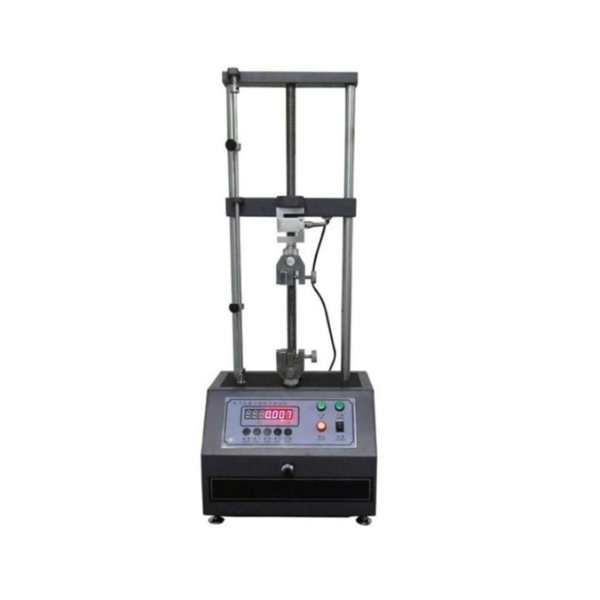
Core Technology: How Servo Control and Digital Sensing Work Together
The system integrates three essential components: a precision servo motor drive for smooth, controllable force application; a high-accuracy Load Cell for digital force measurement; and computer control software for test programming, real-time data acquisition, and analysis. This combination enables testing modes impossible with conventional mechanical testers.
Key System Components
- Servo Drive System: Provides precise speed and position control for consistent, repeatable test cycles.
- High-Precision Load Cell: Digitally displays force measurements with accuracy typically ±0.5% of reading.
- Advanced Control Software: Enables programming of complex test sequences, real-time graphing, and automatic calculation of material properties.
- Interchangeable Fixtures: Quick-change grip system accommodates different specimen types and test methods.
Comprehensive Testing Capabilities
This machine performs a complete range of mechanical tests on virtually any material.
1. Standard Mechanical Tests
- Tensile Strength: Measures longitudinal and transverse resistance to pulling forces.
- Compression Testing: Evaluates material behavior under crushing loads.
- Bending/Flexural Tests: Determines stiffness and strength under bending forces.
- Shear Strength: Measures resistance to sliding or cutting forces.
2. Specialized Material Tests
- Tear Resistance: Critical for films, textiles, paper, and rubber.
- Peel/Adhesion Testing: 90° and 180° peel tests for adhesives, tapes, laminates.
- Heat Seal Strength: Evaluates packaging seal integrity.
- Fiber/Yarn Testing: Single fiber and yarn tensile properties.
3. Advanced Closed-Loop Control Tests
- Constant Stress/Strain: Maintains set force or deformation rate.
- Creep Testing: Measures deformation over time under constant load.
- Stress Relaxation: Measures force decay under constant deformation.
4. Optional Specialized Tests (with accessories)
- Torsion Testing: Evaluates rotational strength and stiffness.
- Cupping/Erichsen Test: Measures ductility and formability of metal sheets.
Materials and Applications
The machine’s versatility comes from interchangeable fixtures that adapt to different specimen types.
Textiles and Nonwovens
Tests fabric tensile strength, seam slippage, tear resistance, elastic recovery, and fiber properties for apparel, technical textiles, and geotextiles.
Plastics and Films
Evaluates tensile properties of plastic films, composite films, woven bags, soft packaging materials, and rigid plastics per ASTM D882 or ISO 527.
Adhesives and Tapes
Measures peel strength, tack, shear adhesion, and cohesive strength for pressure-sensitive adhesives, tapes, labels, and structural bonds.
Rubber and Elastomers
Tests tensile strength, elongation at break, modulus, tear resistance, and compression set for seals, gaskets, tires, and industrial rubber.
Paper and Packaging
Determines tensile strength, tear resistance, burst strength, and heat seal strength for paper, cardboard, and flexible packaging.
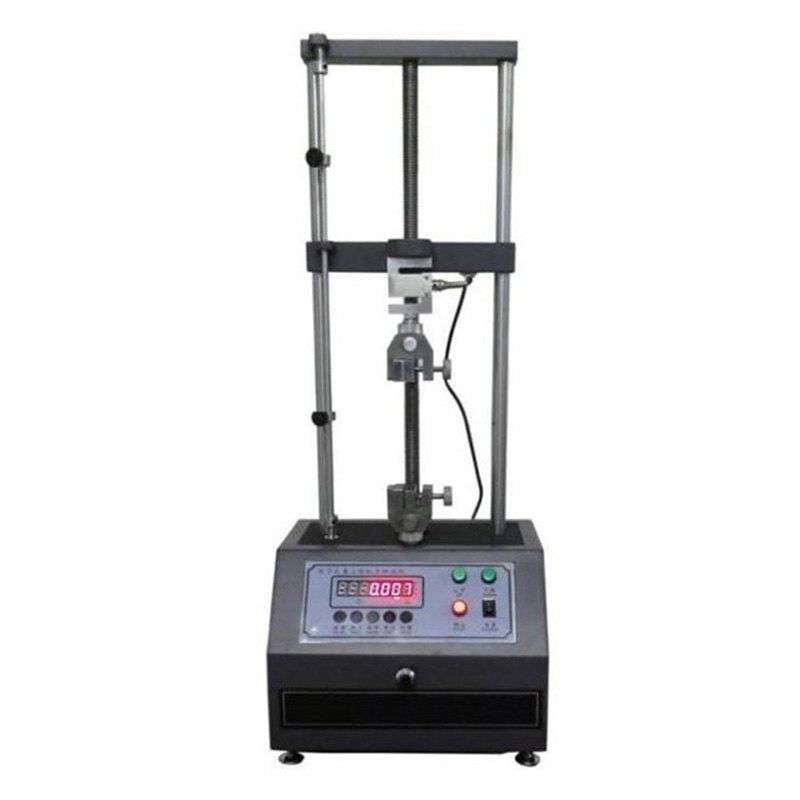
Fixture Guide: Matching Grips to Tests
- Pneumatic Grips: Ideal for delicate films and textiles requiring consistent clamping pressure.
- Mechanical Wedge Grips: For high-force tests on plastics, rubber, and composites.
- Roller Grips: Prevent specimen slippage and damage during fiber and yarn testing.
- Peel Test Fixtures: 90° and 180° configurations for adhesive and tape testing.
- Compression Platens: Flat plates for compression testing of foams, packaging, and materials.
- Bending Fixtures: 3-point and 4-point bend configurations for flexural testing.
- Tear Test Fixtures: Trouser tear and Elmendorf-type fixtures for films and paper.
- Heat Seal Testing Jaws: Temperature-controlled grips for evaluating seal strength of packaging.
Operational Workflow: From Setup to Report
- Fixture Selection: Choose appropriate grips for the material and test type.
- Parameter Setting: Define test speed, stop condition (force, displacement, or break detection), and calculation requirements in the software.
- Specimen Mounting: Secure the sample in the grips according to standard dimensions.
- Test Execution: Initiate the test; the servo system applies precise loading while software records force and displacement data at high frequency.
- Data Analysis: Software automatically calculates tensile strength, elongation, modulus, tear strength, peel force, or other specified properties.
- Reporting: Generate customizable test reports with graphs, statistical summaries, and pass/fail analysis.
Key Selection Criteria for Your Testing Needs
- Force Capacity: Choose maximum load rating (e.g., 1kN, 5kN, 10kN, 50kN) based on your strongest materials.
- Test Speed Range: Ensure the machine achieves both very slow creep speeds and high-speed tensile tests (e.g., 0.001–1000 mm/min).
- Accuracy Class: Class 0.5 or Class 1 based on your quality standards and regulatory requirements.
- Software Capabilities: Verify that the software supports all required test standards and calculation methods.
- Data Export: Look for CSV, Excel, or database integration for SPC and quality management systems.
Compliance with International Standards
Computer servo tensile testers help manufacturers comply with numerous global standards:
- ASTM: D638 (plastics), D412 (rubber), D882 (thin films), D5034 (textiles), D3330 (tape peel), D1000 (pressure-sensitive tape)
- ISO: 527 (plastics), 37 (rubber), 1184 (films), 13934 (textiles), 29862 (peel test)
- GB/T: 1040 (plastics), 528 (rubber), 2792 (adhesive peel)
- JIS, DIN, TAPPI: Various industry-specific standards
Conclusion: The Versatile Standard for Material Testing
The Computer-Controlled Servo System Tensile Testing Machine has evolved from a simple force measurement device into a comprehensive material characterization platform. Its combination of precision servo control, digital load cell sensing, and intelligent software makes it indispensable for R&D, quality control, and failure analysis across virtually every manufacturing sector. Whether testing the peel strength of a medical adhesive or the tensile strength of a geotextile, this equipment delivers the accurate, repeatable data needed for better materials, safer products, and competitive advantage.
Post time: Apr-03-2026


