



Introduction
In today’s manufacturing and research environments, ensuring the quality and durability of products under different temperature and humidity conditions is crucial. The Constant Temperature and Humidity Test Chamber is an essential tool in this process, providing a controlled environment for testing products, materials, and components. In this guide, we will explore the key features, benefits, applications, and considerations when selecting a Constant Temperature and Humidity Test Chamber.
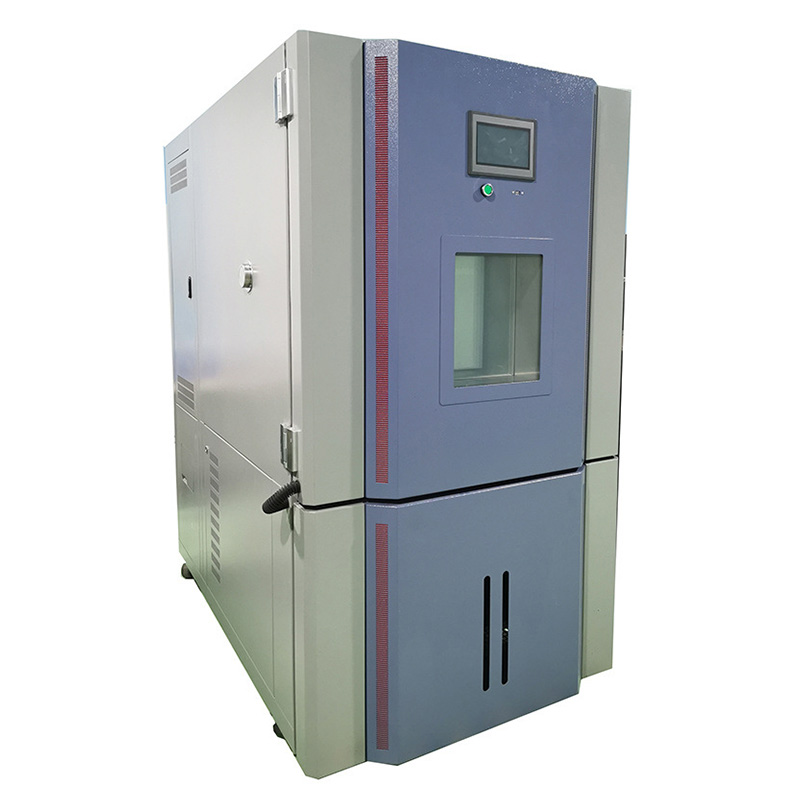
What is a Constant Temperature and Humidity Test Chamber?
A Constant Temperature and Humidity Test Chamber is a specialized environmental testing device that simulates a wide range of temperature and humidity conditions. It is used to test how products and materials respond to varying environmental conditions to ensure they maintain their performance and durability over time.
Key Features:
- Wide Temperature Range: The chamber offers a temperature range from -20°C to +150°C (with optional ranges like -40°C, -60°C, and 0°C), making it suitable for testing a wide variety of materials and components.
- Humidity Range: The chamber can maintain humidity levels from 20% to 98% relative humidity, ensuring it can replicate various environmental scenarios.
- Precision Control: The chamber features precise temperature and humidity control with stability of ±0.2°C and ±2% RH, ensuring accurate results during testing.
- Multiple Sizes: Available in various internal sizes (e.g., 80L, 150L, 225L, 408L, and 800L), the chamber can accommodate a wide range of sample sizes and testing requirements.
How Does the Constant Temperature and Humidity Test Chamber Work?
Understanding how the Constant Temperature and Humidity Test Chamber operates helps ensure it meets the specific needs of different industries. The chamber utilizes several key systems for maintaining optimal conditions:
1. Temperature Control System
The temperature system uses a stainless steel fin-type heat dissipation heater for fast and efficient heating. It can heat up from room temperature to 150°C at an average speed of 3°C–5°C per minute, providing reliable and rapid testing. The cooling system, which includes a freezing and latent heat dehumidification system, helps reduce temperatures down to -40°C with a cooling speed of approximately 1°C per minute.
2. Humidity Control System
The chamber uses a unique balanced temperature and humidity adjustment mode to ensure uniform humidity levels. A dehumidifier system, combined with a forced circulation fan, allows for efficient humidity control, maintaining stable conditions with minimal fluctuations.
3. Circulation and Insulation Systems
The fan-forced circulation convection system ensures that the temperature and humidity are distributed uniformly within the chamber. The chamber’s high-quality insulation material, including rock wool and hard PU foam, helps maintain the desired environmental conditions without significant energy loss.
Applications of the Constant Temperature and Humidity Test Chamber
The Constant Temperature and Humidity Test Chamber is used across various industries to test the durability and reliability of products. Some of the primary applications include:
1. Electronics Industry
In the electronics industry, components like circuit boards, batteries, and other sensitive devices need to be tested for their performance in extreme temperature and humidity conditions. This test chamber ensures that electronic products can withstand the environmental stresses they may encounter during operation or transportation.
2. Automotive Industry
Automotive manufacturers use the Constant Temperature and Humidity Test Chamber to test parts like sensors, airbags, and control units. These parts must endure extreme conditions such as high heat or high humidity without failure.
3. Aerospace Testing
For aerospace components, it’s essential that parts maintain their performance when exposed to extreme environmental conditions. The test chamber helps simulate the harsh conditions of space or high-altitude flights, ensuring product reliability and safety.
4. Pharmaceuticals and Packaging
In the pharmaceutical industry, temperature and humidity control is essential for testing the stability and shelf life of drugs and packaging materials. The chamber can simulate conditions such as high heat and humidity to ensure the integrity of pharmaceutical products.
5. Materials Testing
This chamber is also used for testing the properties of materials (e.g., metals, plastics, and textiles) under varying temperature and humidity conditions. Materials are tested for their strength, flexibility, and resilience when exposed to extreme environmental conditions.
Key Benefits of Using a Constant Temperature and Humidity Test Chamber
1. Reliable Results
The precise control over temperature and humidity levels ensures reliable and repeatable results, which are essential for high-stakes testing in industries like electronics and aerospace.
2. Energy-Efficiency
The advanced insulation materials and efficient circulation systems allow the test chamber to operate with minimal energy loss, ensuring that testing can be done without excessive energy consumption.
3. Versatility
With its wide temperature and humidity ranges, the Constant Temperature and Humidity Test Chamber is versatile enough to meet the needs of various industries, including automotive, pharmaceuticals, and consumer electronics.
4. Cost-Effectiveness
By enabling manufacturers to test their products in controlled conditions, the chamber helps prevent costly failures after product release, saving both time and money in the long run.
Conclusion
The Constant Temperature and Humidity Test Chamber is an indispensable tool for industries looking to ensure the reliability and durability of their products under various environmental conditions. With precise temperature and humidity control, versatile applications, and robust testing capabilities, this chamber is vital for industries that require thorough testing before product release. Whether used for electronics, automotive parts, or pharmaceuticals, it guarantees high-quality results and helps manufacturers mitigate risks associated with environmental failure.
Post time: Sep-17-2025


