



What is a Constant Temperature and Humidity Test Chamber?
A Constant Temperature and Humidity Test Chamber is a highly specialized piece of equipment used to create controlled environmental conditions for testing various materials, products, and components. This chamber simulates different temperature and humidity levels to assess the durability, reliability, and performance of a product under diverse environmental conditions. It plays a crucial role in industries like electronics, pharmaceuticals, automotive, and textiles, where environmental stress testing is essential.
Key features include adjustable temperature ranges, humidity control, and the ability to maintain consistent conditions over time. With this chamber, manufacturers can test their products for longevity, quality, and resistance to environmental factors.
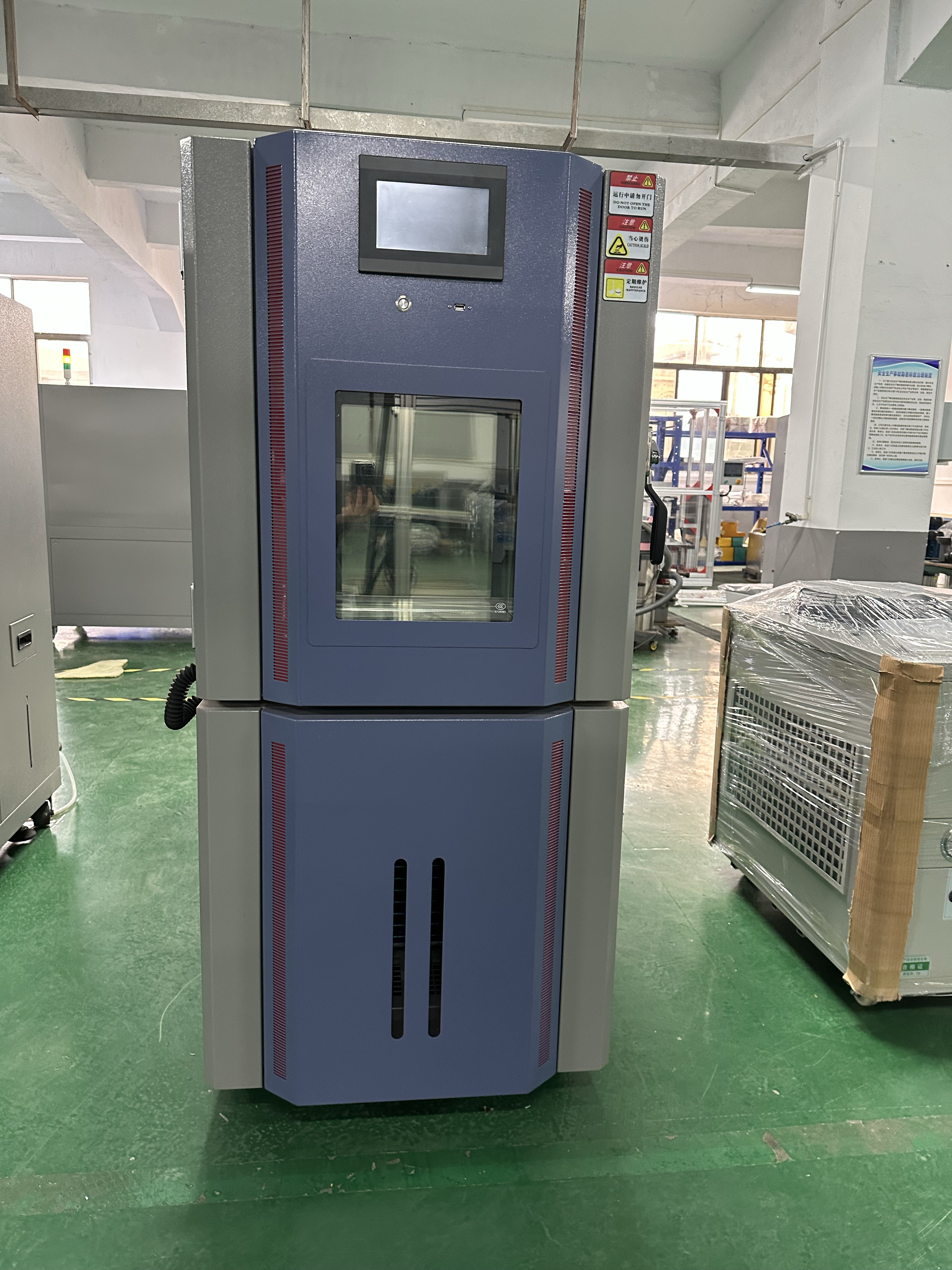
Constant Temperature and Humidity Test Chamber Features
The Constant Temperature and Humidity Test Chamber offers several critical features that make it indispensable for high-precision testing:
- Wide Temperature Range: The chamber can operate from as low as -20℃ (or even -40℃ and -60℃) to +150℃, allowing for a comprehensive range of testing scenarios.
- Humidity Control: With a humidity range of 20–98% RH, the chamber offers precise humidity adjustments to simulate various climates.
- Efficient Cooling and Heating: The heating speed ranges from room temperature (RT) to 150℃ at an average rate of 3-5℃ per minute, while cooling speeds range from RT to -40℃ at an average rate of 1℃ per minute.
- Accuracy and Stability: Temperature stability is maintained at ±0.2℃, and humidity stability at ±2% RH, ensuring reliable results.
These features ensure consistent and reliable environmental testing, which is critical in product development and quality assurance processes.
How Temperature and Humidity Control Ensures Accurate Testing
Precise control over temperature and humidity is crucial for accurate testing in the Constant Temperature and Humidity Test Chamber. Temperature uniformity (±2℃) and humidity distribution (±5% RH) ensure that every test conducted within the chamber is consistent, thereby improving the accuracy of test results.
For instance, if testing an electronic device under high humidity conditions, the ability to control both the temperature and the moisture level is essential to determine the product’s resistance to environmental stress. This control is vital for creating reliable results, enabling manufacturers to predict how their products will perform in real-world conditions.
Heating and Cooling Speeds: Why They Matter for Testing Efficiency
One of the key advantages of a Constant Temperature and Humidity Test Chamber is its rapid heating and cooling capabilities. Heating speeds of 3–5℃ per minute allow for quick thermal ramping, while cooling speeds of 1℃ per minute ensure that temperature transitions are not overly harsh, preventing damage to sensitive products.
This fast-response system allows manufacturers to complete tests more efficiently, reducing the time required for research and development. It also ensures that products are tested under realistic and varying temperature conditions, optimizing testing processes across different environments.
Applications of Constant Temperature and Humidity Test Chambers in Various Industries
The Constant Temperature and Humidity Test Chamber is widely used across several industries, including:
- Electronics: Testing of smartphones, computers, and other electronic devices to determine performance under fluctuating temperature and humidity conditions.
- Pharmaceuticals: Ensuring the stability of drugs and medical devices by simulating environmental conditions they may face during shipping and storage.
- Automotive: Testing of automotive parts like batteries, sensors, and components for resistance to extreme environmental conditions.
- Textiles: Evaluating the durability of fabrics and clothing by exposing them to controlled temperature and humidity levels.
These chambers ensure that products meet industry standards for durability and reliability, which is essential for consumer safety and quality control.
How to Choose the Right Constant Temperature and Humidity Test Chamber
When selecting a Constant Temperature and Humidity Test Chamber, it’s important to consider several factors:
- Size Options: Test chambers are available in various internal sizes, from smaller models (80L to 800L) to larger ones, allowing manufacturers to choose the best fit for their product.
- Temperature and Humidity Requirements: Based on the product being tested, ensure the chamber can support the required temperature range and humidity control.
- Cooling and Heating Speeds: Consider whether the chamber’s heating and cooling speeds match your testing needs.
- Budget and Efficiency: Select a chamber that meets your testing needs within your budget and offers high efficiency for rapid testing.
By considering these factors, you can ensure that you are investing in the right test chamber for your specific needs.
Conclusion: Investing in Precision for Long-Term Testing Success
Investing in a Constant Temperature and Humidity Test Chamber is essential for companies focused on producing high-quality products that can withstand various environmental conditions. This technology not only ensures precise testing but also accelerates product development cycles, ultimately leading to better performance, durability, and customer satisfaction.
By understanding the features and applications of this testing equipment, businesses can make informed decisions to enhance their product quality and operational efficiency.
Post time: Aug-23-2025


