



Why the Dust Test Box is Essential for Environmental Testing
In today’s rapidly evolving industries, ensuring product durability in real-world conditions is critical. Whether it’s electronics, automotive components, or military-grade equipment, exposure to dust and environmental factors can significantly impact performance. The dust test box plays a vital role in testing the resilience of products against dust exposure, helping manufacturers ensure their products can withstand the harshest conditions.
With dust infiltration being a common cause of failure, the dust test box offers a controlled environment to simulate the effects of dust over extended periods. By testing products in such an environment, manufacturers can evaluate their performance, improve design, and ensure customer satisfaction.
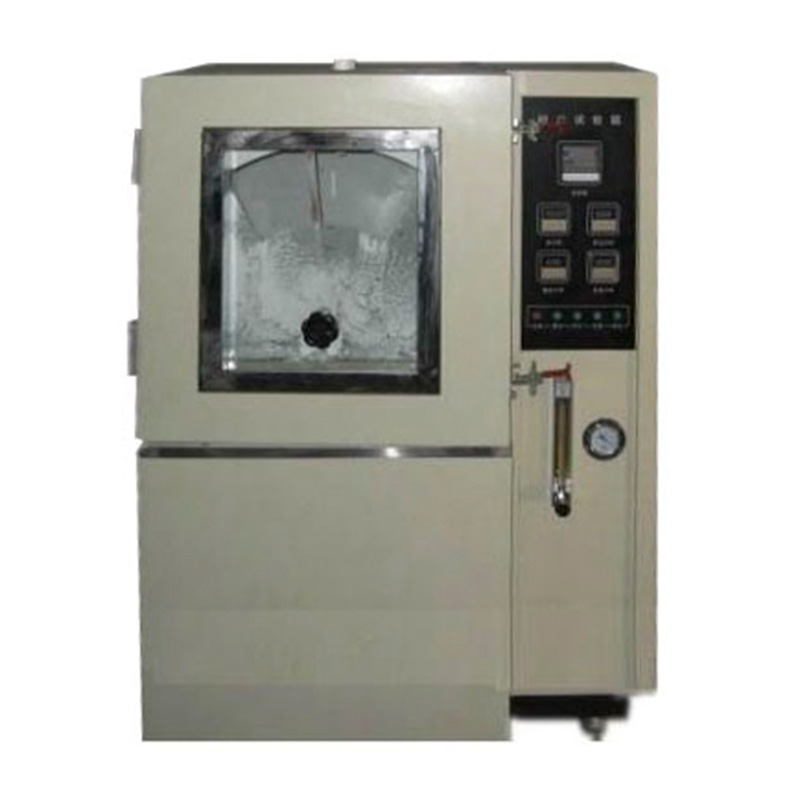
What is a Dust Test Box and Why Is It Important?
A dust test box is a specialized environmental testing chamber designed to simulate the impact of dust on products over time. It’s a critical tool for manufacturers who need to ensure that their products can perform in dusty conditions without degrading.
This testing method is used across various industries, including:
- Electronics: Ensuring components are resistant to dust, which can cause malfunctions.
- Automotive: Testing car parts, such as air filters, for dust resistance.
- Aerospace and Military: Verifying that critical equipment can withstand dust exposure during operation.
By replicating real-world conditions, the dust test box allows manufacturers to predict how their products will perform under stress and improve their design to meet durability standards.
Key Features and Functions of a Dust Test Box
The dust test box is built with several key features designed to simulate dusty environments accurately:
1. Temperature and Humidity Control
The dust test box is capable of controlling the environment inside, maintaining a temperature range that typically spans from ambient temperature plus 10°C, and relative humidity from 45-75% RH. These factors ensure that the conditions closely resemble real-world scenarios.
2. Powerful Dust Circulation
Equipped with a strong circulation motor and vibration devices, the dust test box ensures a consistent distribution of dust particles inside the chamber. This is crucial for simulating long-term exposure and maintaining uniform dust density across the product’s surface.
3. Material and Construction
The dust test box is made from high-quality steel plate with electrostatic powder spraying and features an interior made from SUS304 stainless steel. The tempered glass door allows for easy monitoring of the testing process. The structure is designed to ensure durability and stability, even under continuous operation.
4. Precise Testing Capabilities
The dust test box also includes features like adjustable wind speed and a precise flowmeter (0-30L/min) to ensure accurate dust dispersion. With a torque sensor for measuring forces, this machine can simulate various stress levels that a product might experience in the field.
How Does a Dust Test Box Work?
The dust test box works by subjecting products to dust particles, airflow, and controlled temperature and humidity levels in a controlled environment. The chamber allows for consistent dust spraying and maintains the same dust density throughout the testing process.
Key functions include:
- Dust Dispersion: The dust particles are dispersed evenly inside the box, replicating real-world dust conditions.
- Temperature Control: By controlling the temperature, manufacturers can test products under different environmental stressors.
- Humidity Regulation: Simulated humidity ensures that products are exposed to the right level of moisture, mimicking conditions they would face in actual use.
Applications of Dust Test Boxes in Various Industries
The dust test box is used in various industries to test the performance and durability of products that must endure dusty environments. Some of the key applications include:
- Electronics: Testing components such as circuit boards, sensors, and housings to ensure they are dustproof and can operate without malfunctioning.
- Automotive: Ensuring air filters, engine components, and other parts are resistant to dust.
- Military and Aerospace: Verifying that equipment and machinery can function in dusty and harsh environmental conditions during missions.
By using the dust test box, manufacturers can ensure their products meet rigorous standards for dust resistance, improving their reliability and longevity in the market.
Why Manufacturers Choose the Dust Test Box for Their Products
The dust test box is a valuable tool for manufacturers who want to:
- Ensure Quality Control: It helps identify any weaknesses in products that could lead to malfunction or failure.
- Enhance Product Reliability: By simulating real-world dust exposure, manufacturers can test and improve the durability of their products.
- Comply with Industry Standards: Many industries have strict regulations regarding dust resistance, and the dust test box helps manufacturers meet these standards.
- Avoid Costly Recalls: Thorough testing during the production phase can help prevent product failures and reduce the risk of recalls.
By using the dust test box, manufacturers can optimize their products for durability, ensure customer satisfaction, and stay compliant with regulations.
Conclusion: Why the Dust Test Box is Essential for Product Durability
The dust test box is a crucial piece of equipment for testing the durability of products exposed to dust. Whether you’re designing electronics, automotive parts, or military equipment, this machine provides a controlled environment to ensure that your products can withstand the rigors of dusty conditions.
By investing in a dust test box, manufacturers can enhance product quality, reduce risks, and improve customer satisfaction. Ensuring that products can perform in harsh environments is no longer optional—it’s essential for maintaining a competitive edge in today’s market.
Post time: Sep-11-2025


