



Introduction
The Electromagnetic Horizontal Vibration Table is a crucial tool used in various industries for simulating vibrations in horizontal directions. It is widely used in testing the durability, performance, and stability of products, components, and materials under controlled vibrational conditions. This article provides an in-depth look into the features, functions, and applications of this versatile testing machine.
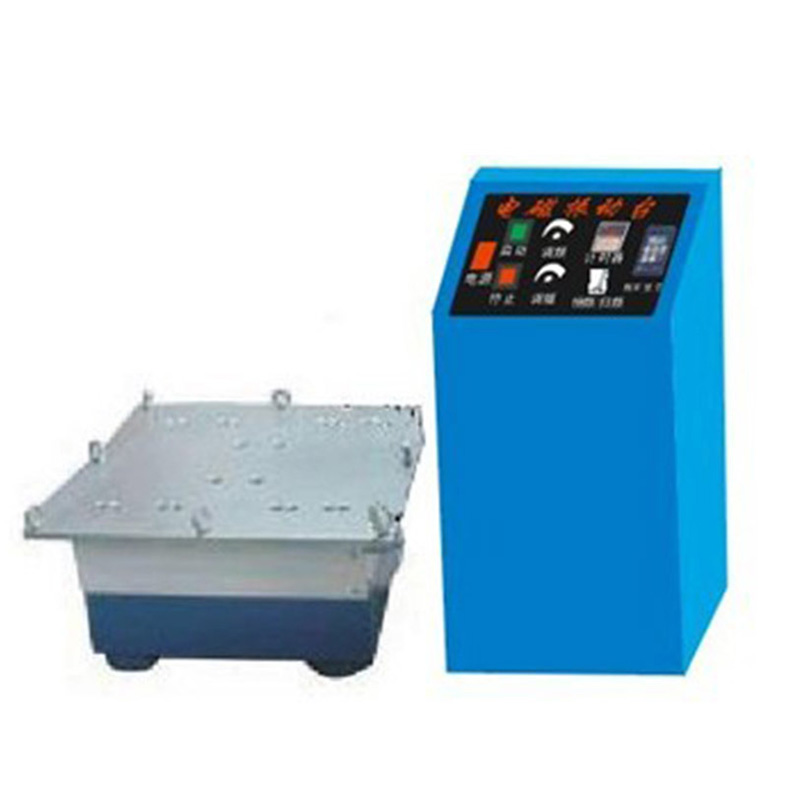
What is an Electromagnetic Horizontal Vibration Table?
An Electromagnetic Horizontal Vibration Table is designed to apply controlled vibrations to test products in a horizontal direction. This machine is essential for evaluating how products respond to vibrations similar to those they might encounter during transportation, use, or environmental changes.
Key Features:
- Size: The vibration table has a size of 500 x 500mm, providing a stable platform for testing various components.
- Vibration Direction: The horizontal vibration mode allows for testing the response of materials to lateral vibrations.
- Load Capacity: It can support up to 50 KG, making it suitable for a wide range of products, from small electronic components to medium-sized equipment.
- Adjustable Frequency: The frequency can be adjusted from 1 to 200 Hz, providing flexibility in simulating different real-world vibration scenarios.
- Precise Control: Features such as time control (up to 99H99M) and modulation of vibration frequency allow for precise simulation of vibration patterns.
How Does the Electromagnetic Horizontal Vibration Table Work?
The Electromagnetic Horizontal Vibration Table uses electromagnetic technology to create precise vibrations in the horizontal direction. Here’s a breakdown of how it operates:
- Frequency Modulation: The frequency of vibrations can be adjusted between 1Hz to 200Hz. This allows the user to simulate a wide variety of real-world scenarios, from low-frequency vibrations to high-frequency tests.
- Amplitude Control: The amplitude, or the extent of vibration, can be adjusted within the range of 0 to 5mm (without load). The amplitude changes dynamically based on the frequency, which is particularly useful for simulating real-world conditions.
- Back-and-Forth Sweep: The machine can be programmed to run a back-and-forth sweep within the frequency range. For example, setting the upper limit to 60Hz and the lower limit to 10Hz allows for a vibration sweep between 10Hz to 60Hz, and back again, providing an additional layer of flexibility for vibration testing.
- Power and Current: The table operates on 220V ± 10 power supply and can handle a maximum current of 5A, making it compatible with most industrial setups.
Applications of the Electromagnetic Horizontal Vibration Table
The Electromagnetic Horizontal Vibration Table is widely used in various industries to simulate real-world vibrational forces on different products and materials. Here are some common applications:
1.Electronics Testing
In the electronics industry, this vibration table is used to test the durability and stability of electronic components such as circuit boards, sensors, and connectors. These products need to withstand vibrations during transport and operation, and the vibration table helps ensure that they meet durability standards.
2. Automotive Industry
For automotive manufacturers, ensuring that components such as vehicle parts, engine components, and assemblies can withstand vibrations during driving is critical. The vibration table is used to simulate the vibrations and impacts that these parts experience on the road.
3. Aerospace Testing
In the aerospace sector, it is vital that aircraft components are tested for resilience against vibrations experienced during flight. The Electromagnetic Horizontal Vibration Table helps simulate such conditions to evaluate whether parts will maintain their performance and integrity under stressful conditions.
4. Packaging and Shipping
Products need to be able to endure vibrations during shipping and handling. By using the vibration table to test packaging, manufacturers can evaluate if their packaging materials provide adequate protection during transit.
5. Material Testing
Material scientists and engineers use this table to test the resilience of various materials, from metals to polymers, to vibrations that might cause structural damage or wear over time.
Key Benefits of Using the Electromagnetic Horizontal Vibration Table
The Electromagnetic Horizontal Vibration Table offers several advantages for manufacturers and engineers involved in product testing:
- Wide Frequency Range: With a frequency modulation range of 1 to 200 Hz, this table allows for flexibility in testing various vibration scenarios.
- Dynamic Amplitude Adjustment: The ability to adjust the amplitude based on the frequency allows for more accurate simulation of real-world conditions.
- Precise Control: The time control function allows for precise timing of vibration cycles, making it easier to replicate exact environmental conditions.
- Cost-Effective Testing: By simulating real-world vibration conditions in a controlled environment, manufacturers can avoid costly product failures post-launch and ensure reliability before production.
Conclusion
The Electromagnetic Horizontal Vibration Table is an essential tool in the testing and validation of products across multiple industries. With its precise control over frequency, amplitude, and time, this machine provides manufacturers with the ability to simulate real-world vibrational stresses that products may encounter during their lifetime. Whether used for testing electronic components, automotive parts, or packaging materials, this vibration table ensures that products meet the required durability standards, enhancing overall quality and customer satisfaction.
Post time: Sep-16-2025


