



Introduction: Understanding the Electromagnetic Horizontal Vibration Table
In the world of product testing, simulating real-world environmental factors like vibrations is essential to ensuring the durability and reliability of various products. One key piece of equipment for such testing is the Electromagnetic Horizontal Vibration Table. This machine is designed to simulate horizontal vibrations that products might face during transportation, usage, or storage, providing manufacturers with a reliable tool to test the strength and stability of their products under dynamic conditions.
In this article, we’ll explore the features, applications, and benefits of the Electromagnetic Horizontal Vibration Table and why it’s a critical part of product testing.
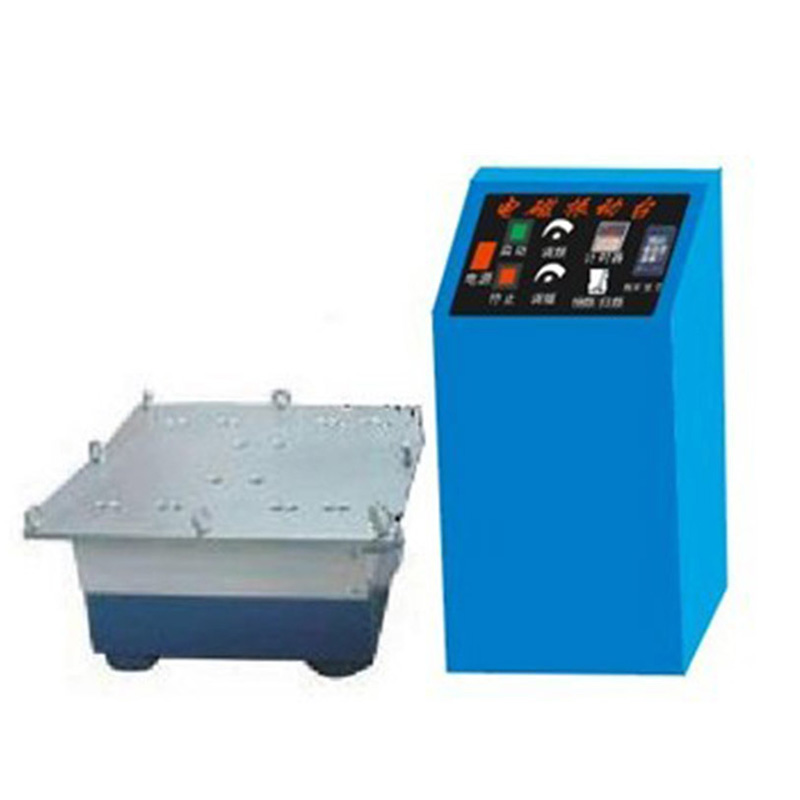
What is an Electromagnetic Horizontal Vibration Table?
The Electromagnetic Horizontal Vibration Table is a testing device used to simulate horizontal vibrations that products may experience throughout their lifecycle. Whether it’s to test the durability of electronic components, automotive parts, or other industrial products, this table plays a crucial role in ensuring that items can withstand the stresses of vibration in real-world environments.
The table operates by applying vibrations horizontally, which helps simulate the movement and stresses encountered during transportation, handling, and usage. It’s a versatile tool used in many industries for product reliability testing.
Key Features of the Electromagnetic Horizontal Vibration Table
Size and Design Flexibility
The Electromagnetic Horizontal Vibration Table comes with a customizable size. One example is its 500 x 500 mm surface area, providing ample space to test a wide variety of products. The adjustable frequency range from 1 to 200 Hz and the ability to control the amplitude (from 0-5mm) make this vibration table versatile for different testing requirements.
Adjustable Frequency and Amplitude
One of the key features of this vibration table is its frequency modulation range. You can set it between 1 and 200 Hz, ensuring that you can simulate different kinds of vibrations for different product testing needs. Additionally, the amplitude can be adjusted between 0 to 5mm, offering precise control over vibration intensity. This means you can closely replicate real-world scenarios, enhancing the accuracy of your tests.
Time Control for Precise Testing
The Electromagnetic Horizontal Vibration Table includes an advanced time control function. This allows you to set the test time in seconds (up to 99 hours and 59 minutes), ensuring that tests run for as long as needed, and providing flexibility in testing various product endurance levels.
Applications of the Electromagnetic Horizontal Vibration Table
The Electromagnetic Horizontal Vibration Table is used in a wide range of industries to perform vibration testing. It is commonly used for:
- Product Durability Testing: Ensure your products can withstand the harsh conditions of transport and everyday usage.
- Automotive Industry: Test parts and components for their ability to endure vibrations from the road.
- Electronics Testing: Simulate the vibrations electronics might face during shipping and usage.
- Aerospace: Test components to meet stringent vibration resistance requirements.
How Does the Electromagnetic Horizontal Vibration Table Work?
The working mechanism of the Electromagnetic Horizontal Vibration Table involves electromagnetic systems that produce horizontal vibrations at adjustable frequencies. The machine is powered by a 220V ± 10 power supply and features a 2.2KW vibrator power.
In operation, the table can oscillate back and forth within a selected frequency range, making it ideal for simulating various real-world vibration conditions. The sweep function (running between a set upper and lower frequency) allows manufacturers to perform comprehensive tests to ensure product durability.
Benefits of Using the Electromagnetic Horizontal Vibration Table
- Accurate Vibration Simulation: It accurately mimics real-world vibrations, making it an ideal tool for testing how products will perform in dynamic conditions.
- Versatility in Testing: The adjustable frequency and amplitude allow for a broad range of testing scenarios, from light vibrations to heavy-duty tests.
- Durability and Reliability: By testing products under intense, controlled vibrations, manufacturers can ensure their products meet the highest standards of durability and reliability.
- Cost-Efficiency: Reduces the need for extensive physical testing, saving time and resources in the development process.
Key Considerations When Choosing an Electromagnetic Horizontal Vibration Table
When selecting an Electromagnetic Horizontal Vibration Table, there are a few important factors to keep in mind:
- Load Capacity: Ensure the table can handle the weight of your products. The table’s maximum load capacity of 50 kg should be suitable for most applications.
- Frequency Range: Choose a table with an appropriate frequency range (1-200 Hz) based on the specific needs of your product testing.
- Amplitude Control: For precise testing, look for a table with adjustable amplitude to fine-tune the intensity of vibrations.
Conclusion: Why the Electromagnetic Horizontal Vibration Table is Essential for Product Testing
The Electromagnetic Horizontal Vibration Table is an essential piece of equipment for any manufacturer looking to ensure their products can withstand the stresses of the real world. With its precise control over frequency, amplitude, and time, this table provides accurate and reliable testing results. Whether you’re in electronics, automotive, or aerospace, using this machine will help guarantee that your products are ready for the challenges they may face during transportation, usage, or storage.
If you’re looking to improve your product’s reliability and durability, the Electromagnetic Horizontal Vibration Table is a must-have in your testing arsenal.
Post time: Sep-12-2025


