



Introduction: The Importance of Vibration Testing
When it comes to ensuring the durability and reliability of products, vibration testing plays a crucial role. From electronics to automotive parts, products often experience vibrations during transportation or normal usage. The Electromagnetic Vertical Vibration Test Table is designed to simulate these vibrations to evaluate the resilience of materials, components, and assemblies. In this article, we’ll explore the features, applications, and benefits of using an electromagnetic vertical vibration test table, which is essential for product testing and quality assurance.
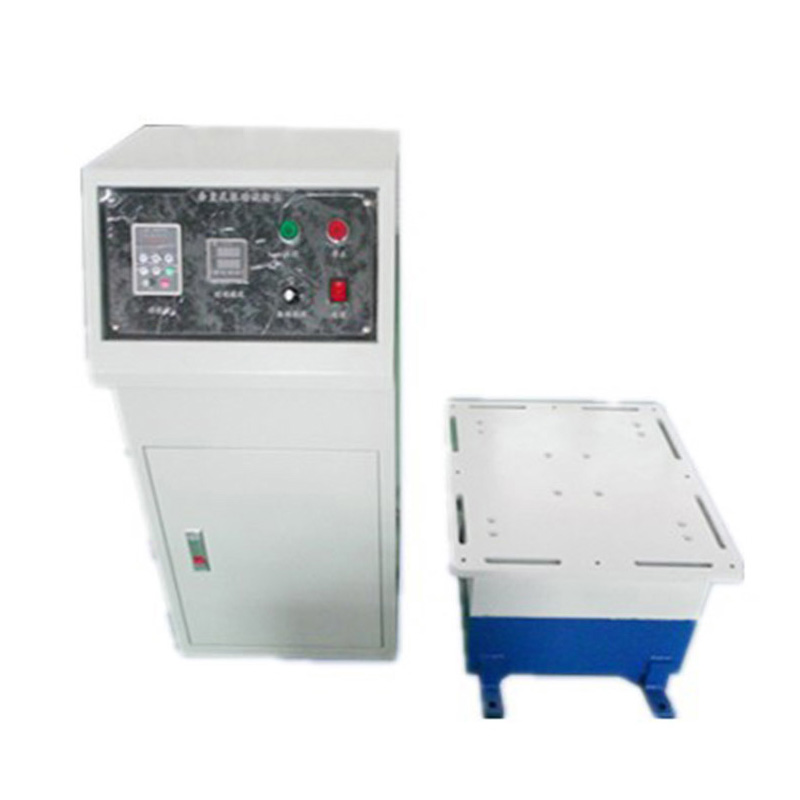
What is the Electromagnetic Vertical Vibration Test Table?
The Electromagnetic Vertical Vibration Test Table is a powerful testing machine designed to simulate vertical vibrations. It helps manufacturers and engineers assess how their products will perform under real-world vibrations, ensuring product reliability in various environments.
Key Features of the Electromagnetic Vertical Vibration Test Table:
- Vibration Direction: Vertical vibrations to simulate real-world conditions.
- Frequency Modulation: Programmable and adjustable from 1Hz to 400Hz, with precision down to 0.01Hz.
- Test Load: Capable of testing products with a maximum load of 60kg.
- Amplitude Control: Adjustable amplitude up to 5mm.
- Time Control: Allows users to set test time in seconds, enabling precise control of testing conditions.
Main Benefit: This test table is designed for highly accurate and customizable vibration testing, providing manufacturers with the insights they need to ensure their products meet quality standards.
How Does the Electromagnetic Vertical Vibration Test Table Work?
The Electromagnetic Vertical Vibration Test Table works by creating controlled vertical vibrations to test a product’s durability. It mimics the forces that a product would experience during transport, in machinery, or under everyday use.
Key Working Components:
- Vibration Source: An electromagnetic actuator generates the vertical vibration with high precision.
- Frequency Control: The frequency can be set within a wide range (1Hz to 400Hz), simulating different operational conditions.
- Adjustable Amplitude: The machine allows the amplitude to be adjusted between 0 and 5mm, providing flexibility for testing various products.
Why It Matters: By simulating real-world vibrations in a controlled environment, the test table allows engineers to identify weaknesses in the design or material choices before the product hits the market.
Applications of the Electromagnetic Vertical Vibration Test Table
The Electromagnetic Vertical Vibration Test Table has a broad range of applications across multiple industries. It is primarily used to evaluate the durability of components and assemblies that are susceptible to vibration during operation or transport.
Common Applications Include:
- Electronics Testing: Ensuring electronic components and devices can withstand the vibrations encountered during shipping or usage.
- Automotive Industry: Testing parts such as sensors, wiring, and other components for their ability to endure vertical vibrations in vehicles.
- Consumer Goods: Validating that products like appliances, toys, and machinery will maintain performance under typical vibrations.
- Aerospace: Ensuring aerospace components can withstand the rigors of launch and in-flight vibrations.
Why It Matters: Vibrations are present in almost every product’s lifecycle. Ensuring products can withstand them ensures higher durability and fewer failures post-sale.
The Benefits of Using the Electromagnetic Vertical Vibration Test Table
The Electromagnetic Vertical Vibration Test Table offers several key benefits for manufacturers and quality control teams, enabling them to perform accurate and efficient vibration tests.
-
Precision Control
With frequency precision down to 0.01Hz and adjustable amplitudes, this test table allows for highly accurate simulation of vibration conditions.
-
Versatile Testing
This machine can simulate a wide range of frequencies (1Hz to 400Hz) and amplitudes (up to 5mm), making it suitable for testing a variety of products and materials.
-
Enhanced Product Reliability
By conducting vibration tests on components and products, manufacturers can ensure that their products meet performance standards and are less likely to fail due to environmental stresses.
-
Time Efficiency
The programmable functions and adjustable time controls enable efficient testing without compromising on accuracy. Tests can be set to run for specific durations, making it possible to simulate long-term stress in a short time.
-
Improved Quality Assurance
The ability to test products thoroughly before they are distributed ensures higher customer satisfaction and fewer returns, which enhances brand reputation.
Conclusion: Why Invest in an Electromagnetic Vertical Vibration Test Table?
The Electromagnetic Vertical Vibration Test Table is an essential piece of equipment for manufacturers who need to ensure their products can withstand vibrations. With adjustable frequency, amplitude, and time control, it provides a comprehensive solution for testing product durability under real-world conditions.
By investing in such a test table, manufacturers can save time, reduce costs, and ensure the reliability of their products. Whether for electronics, automotive, or consumer goods, this testing machine ensures that products meet the highest standards of quality and performance.
Post time: Sep-20-2025


