



Defying the Elements: How Environmental Testing Ensures Your Door Closers Never Fail
An entrance door equipped with a ground spring is the first line of defense for a building, constantly exposed to the harsh realities of weather—from freezing winters to humid summers. A failure in this critical component isn’t just an inconvenience; it compromises security, safety, and accessibility. How can manufacturers guarantee that a door closer will operate flawlessly after being subjected to months, or even years, of extreme environmental stress? The Ground Spring Environment Testing Machine provides the definitive answer. This specialized equipment, through a rigorous sequence of cold and damp heat cycles, simulates accelerated aging to uncover hidden weaknesses and validate long-term reliability. This guide delves into the critical test method that separates commercial-grade hardware from substandard products.
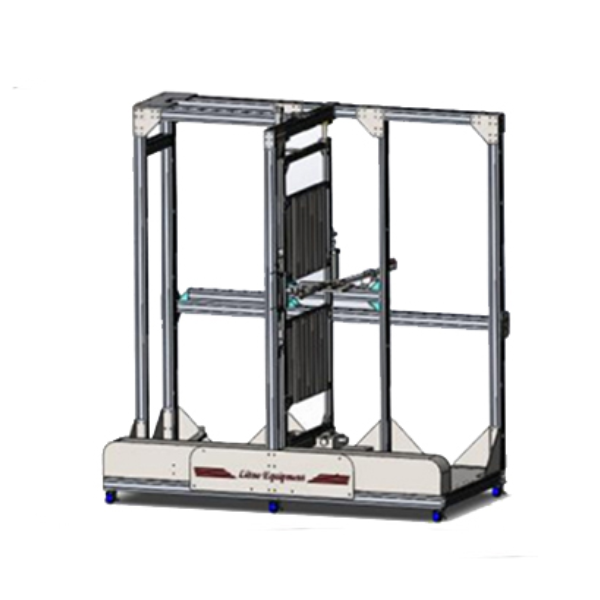
What is a Ground Spring Environment Testing Machine?
A Ground Spring Environment Testing Machine is not a single device, but a coordinated system typically comprising a high-low temperature test chamber and a damp heat (temperature-humidity) test chamber. Its purpose is to subject door closers (ground springs) to precisely controlled environmental extremes that simulate years of real-world exposure in a condensed timeframe. The test regimen, as detailed in your method, is designed to evaluate the integrity of seals, the robustness of internal hydraulic fluids, the corrosion resistance of metals, and the functionality of electronic controls (if present). It is the cornerstone of a rigorous door durability standard compliance protocol for architectural hardware.
Decoding the Two-Phase Environmental Assault
The standardized test method is a two-stage process that attacks the product’s durability from different angles:
- Phase One: Low-Temperature Endurance The ground spring is placed in a -15°C environment for 8 hours. This extreme cold tests the viscosity of the internal hydraulic fluid and the brittleness of seals and polymers.
- Phase Two: Damp Heat Resilience The unit is then transferred to a 40°C environment with 93% relative humidity for 48 hours. This phase promotes corrosion, checks for seal integrity against moisture ingress, and tests for electrical safety in humid conditions.
Functional checks after each phase are critical to a complete door closer environmental test.
A Step-by-Step Walkthrough of the Testing Protocol
Following the prescribed method is paramount for obtaining valid and repeatable results. Here is a detailed breakdown:
- Low-Temperature Exposure: Place the ground spring in a pre-conditioned chamber at -15°C (±1°C). Maintain this temperature for a full 8 hours.
- Cold Functional Check: While still at -15°C, power the ground spring (if electrically assisted) and manually operate it. It must function without seizure, excessive resistance, or failure.
- Transition to Damp Heat: Power down the unit and immediately transfer it to the damp heat test chamber.
- Damp Heat Conditioning: Ramp the chamber temperature to 40°C (±2°C). Once stable, increase the relative humidity to 93% (±2%). Maintain these conditions for 48 hours.
- Final Functional Check: After 48 hours, and without removing the unit from the chamber, power it on and perform a final function check. It must operate smoothly, with no signs of internal corrosion or electrical fault.
This rigorous damp heat test and low temperature test sequence leaves no room for subpar performance.
Why This Test is Non-Negotiable for Commercial Door Hardware
Subjecting ground springs to this environmental simulation is a strategic business imperative with a clear ROI:
- Prevent Costly Field Failures and Call-Backs: Identifying a seal that fails in the cold or a component that corrodes in humidity during the design phase prevents massive warranty claims and reputational damage.
- Ensure Compliance with International Standards: This test method is often a requirement of major building codes and hardware certification standards (e.g., ANSI/BHMA), which are prerequisites for specification in commercial projects.
- Build a Brand Synonymous with Reliability: Hardware that is proven to withstand extreme environments can be marketed with confidence, justifying a premium price and building trust with architects and builders.
- Validate Material and Design Choices: The test provides invaluable data to R&D teams, proving the effectiveness of chosen seals, coatings, and hydraulic fluids.
Key Capabilities of a Compliant Testing System
To execute this test reliably, the environmental chambers must meet specific performance criteria:
- Precise Temperature and Humidity Control: The chambers must be capable of achieving and maintaining the setpoints (-15°C, 40°C, 93% RH) with minimal deviation, as specified by the standard.
- Rapid Recovery: When the test sample is introduced, the chamber must quickly return to the set parameters to ensure the full duration of exposure is effective.
- Uniformity: Temperature and humidity must be consistent throughout the entire workspace to ensure every part of the ground spring is tested equally.
- Data Logging: The system should provide a certified record of the temperature and humidity profile throughout the entire test cycle for audit and compliance purposes.
Conclusion: The Ultimate Assurance for Unfailing Performance
In the demanding world of architectural hardware, “weather-resistant” must be a proven fact, not just a marketing claim. The Ground Spring Environment Testing Machine and its rigorous protocol provide the empirical evidence needed to back that claim. By deliberately pushing products to their environmental limits, manufacturers can move from hoping for reliability to guaranteeing it. This commitment to validated durability is what builds legendary brands and ensures that the doors you specify will operate safely and smoothly, day in and day out, regardless of what the environment throws at them.
Post time: Nov-29-2025


