



Beyond the Spec Sheet: How High Low Temperature Chambers Uncover Your Product’s Hidden Weaknesses
What happens when your flagship electronic device is shipped to a desert climate, or your automotive component faces a northern winter? Real-world environments are unforgiving, and failures caused by thermal stress can be catastrophic for your brand reputation and bottom line. How can you simulate years of seasonal extremes in a matter of days? The High And Low Temperature Test Chamber is the definitive instrument for answering this critical question. This precision environmental test chamber does more than just change the air temperature; it creates a perfectly controlled, predictable microclimate to validate product durability, uncover latent defects, and ensure your products perform flawlessly anywhere on Earth.
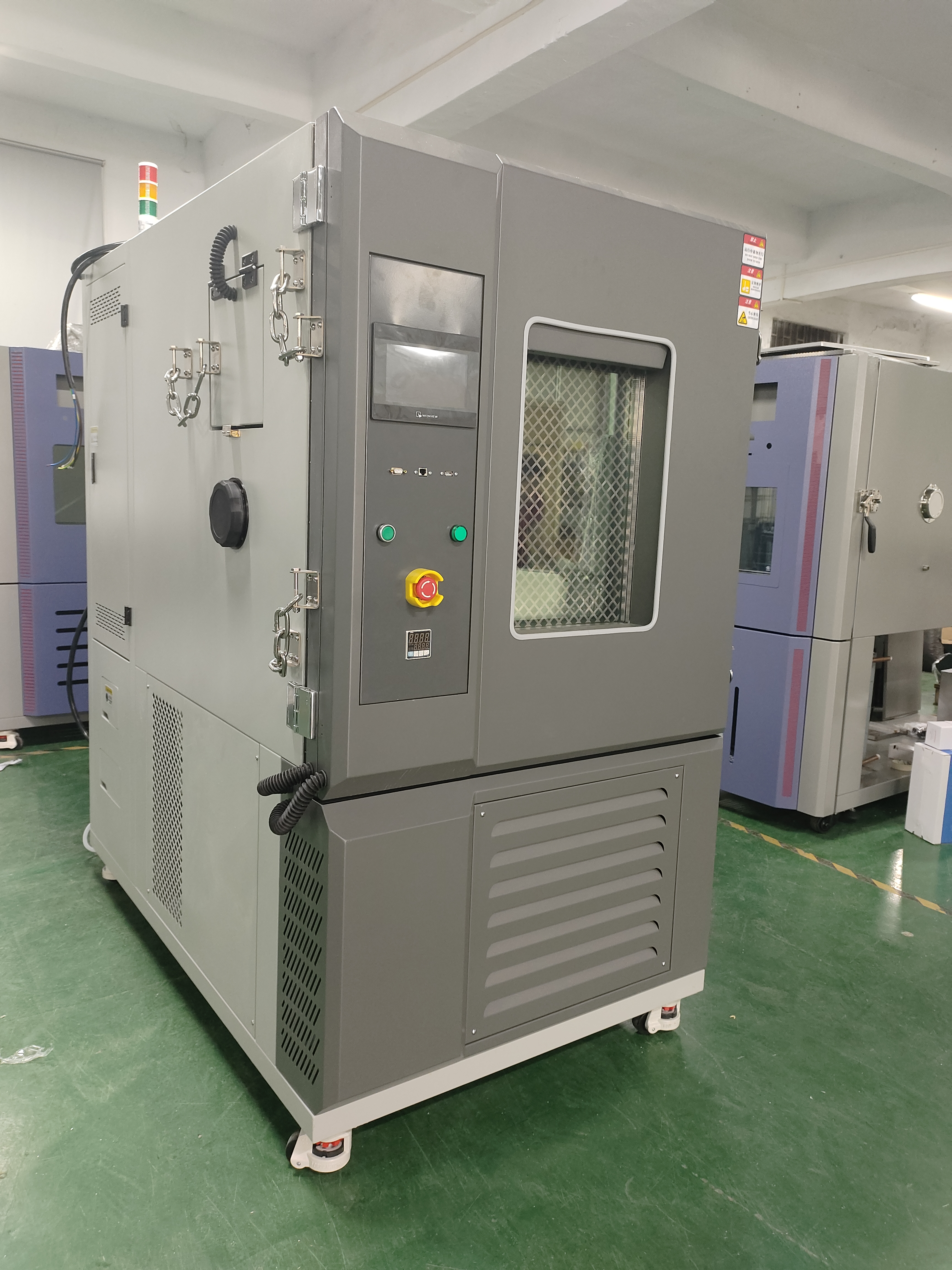
What is a High And Low Temperature Test Chamber?
A High And Low Temperature Test Chamber is a highly engineered laboratory instrument designed to subject products, components, and materials to precisely controlled extreme temperature conditions. As your product description highlights, its core capability lies in achieving “uniform, accurate, and stable constant temperature control.” This is accomplished through a sophisticated system comprising a high-precision programmable controller, high-stability platinum resistance temperature sensors (PRTs) for unparalleled accuracy, and an air circulation system that ensures consistent temperature throughout the workspace. This combination allows it to faithfully replicate the conditions required by international test standards, making it a cornerstone of any rigorous product reliability testing program.
The Technology Behind the Precision: A Deep Dive
The performance of a modern chamber hinges on its key subsystems:
- Cascaded Refrigeration System: A multi-stage compressor system capable of pulling down to extremely low temperatures (e.g., -70°C) quickly and efficiently.
- Electric Air Heater: Provides rapid, clean, and controllable heating to achieve high temperatures (e.g., +150°C).
- PLC/Touch Screen Controller: The brain of the chamber, allowing for complex multi-segment programming of temperature profiles and real-time data logging.
- Air Circulation System: A carefully engineered fan and ducting system that guarantees the specified temperature uniformity (±0.5°C to ±2.0°C) across the entire workspace, as mandated by test standards.
How It Works: Simulating Decades of Thermal Stress in Days
The operation of a thermal cycling chamber is a methodical process designed to accelerate failure and gather predictive data:
- Profile Programming: An engineer creates a test profile that may include rapid temperature ramps, extended dwells at extremes, and repeated cycles, based on standards like IEC 60068.
- Sample Loading & Instrumentation: The product is placed inside the workspace, often with sensors attached to monitor its internal temperature in real-time.
- Automated Execution: The chamber automatically executes the program, using its refrigeration and heating systems to force the product through the prescribed thermal stresses.
- Continuous Monitoring: The system logs chamber conditions and any failure events (e.g., a electronic unit shutting down) that occur during the test.
- Failure Analysis & Reporting: After the test, the product is inspected for failures like cracked solder joints, material deformation, or performance drift, providing actionable insights for design improvement.
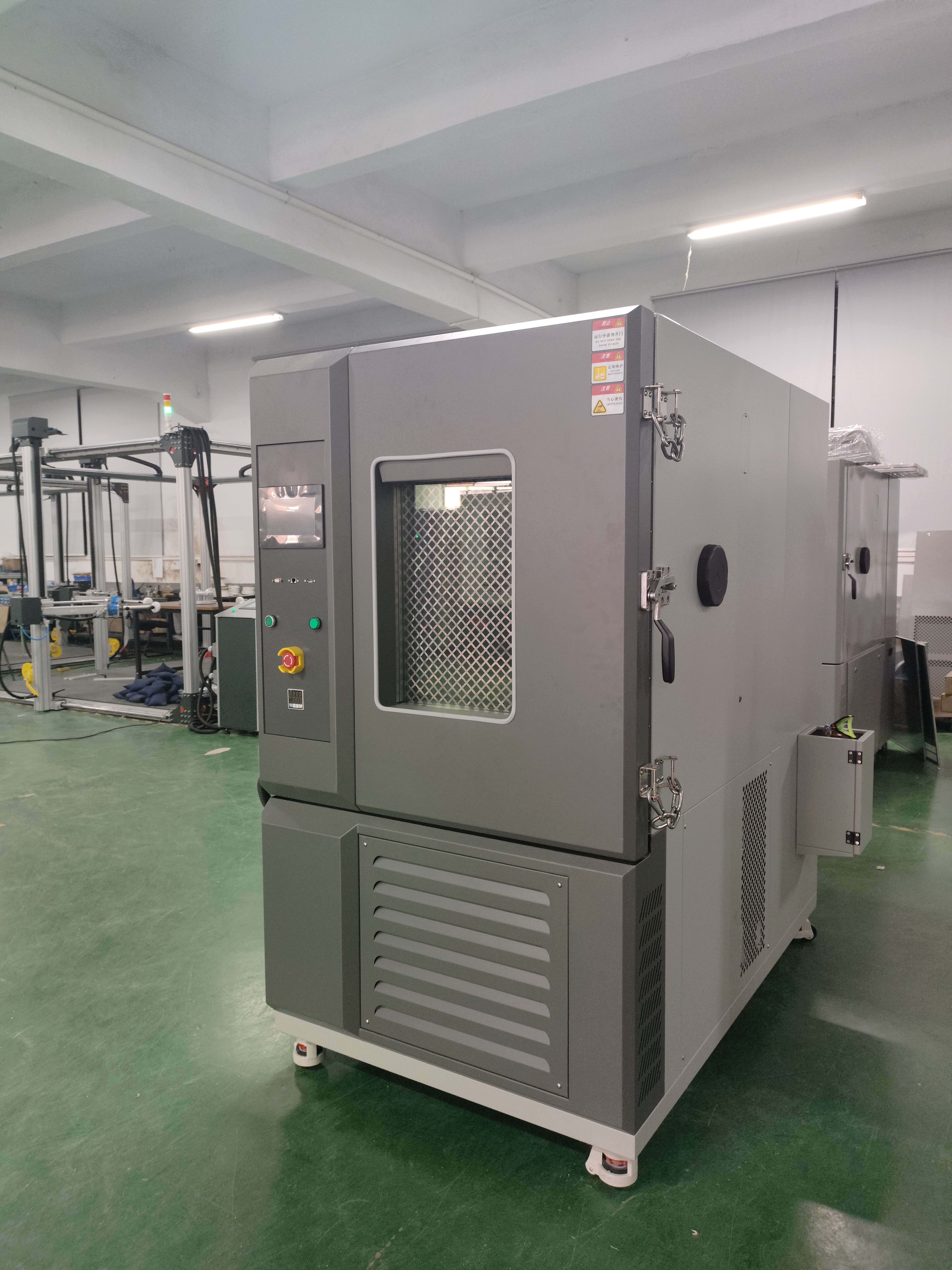
Critical Applications Across Top Industries
The High And Low Temperature Test Chamber is a non-negotiable validation tool in industries where failure is not an option:
- Electronics & Semiconductors: Testing circuit boards, ICs, and consumer devices for thermal fatigue, material expansion mismatches, and performance at operating limits.
- Automotive & Aerospace: Qualifying components that must operate reliably from arctic cold to desert heat and the high temperatures of an engine bay.
- Pharmaceutical & Biotechnology: Stability testing of drugs, vaccines, and medical devices to ensure potency and safety over their shelf life.
- Plastics, Polymers & Advanced Materials: Evaluating glass transition temperatures, brittleness at low temperatures, and deformation at high temperatures.
In essence, it is the universal tool for any temperature humidity test and pure temperature reliability assessment.
The Business Case: Why Environmental Testing is Your Best Insurance
Integrating a high-quality chamber into your R&D and QC processes is a strategic investment with a clear and compelling ROI:
- Prevent Catastrophic Field Failures & Recalls: Identifying a design flaw in the lab costs a few thousand dollars; a product recall or field failure can cost millions and devastate a brand.
- Accelerate Time-to-Market with Confidence: Rapidly validate design changes and new product introductions, ensuring they are robust before committing to mass production.
- Ensure Compliance & Market Access: Meeting international safety and performance standards (IEC, MIL, ISO) is mandatory for selling products in regulated markets globally.
- Reduce Warranty Costs & Build Brand Equity: Products proven to be reliable through rigorous testing lead to fewer warranty claims and higher customer satisfaction, building long-term brand value.
Key Selection Criteria for Your Testing Needs
Selecting the right High And Low Temperature Test Chamber requires a careful evaluation of your specific requirements:
- Temperature Range: Ensure the chamber’s maximum and minimum temperatures exceed your product’s worst-case scenario and testing standard requirements.
- Rate of Change (Ramp Rate): Determine if you need a standard chamber or a faster thermal shock chamber, based on how quickly your product experiences temperature shifts in real life.
- Workspace Volume & Load Capacity: Choose a size that accommodates your largest products and the thermal mass you need to test.
- Control System & Data Logging: A user-friendly, programmable controller with robust data logging capabilities is essential for traceability and compliance.
- Uniformity & Stability: Verify that the chamber’s specifications for temperature uniformity and stability meet the stringent requirements of your target test standards.
Conclusion: Build Unshakeable Product Confidence
In today’s global market, product reliability is the ultimate competitive advantage. A High And Low Temperature Test Chamber is more than just a piece of lab equipment; it is your most powerful tool for de-risking product development and building unshakeable confidence in your designs. By subjecting your products to controlled extremes that are often harsher than real life, you can uncover and eliminate weaknesses, ensure compliance, and ultimately deliver products that your customers can trust in any environment. This investment isn’t just about testing—it’s about building a foundation of quality that protects your revenue, your reputation, and your future.
Post time: Nov-26-2025


