



Beyond the HB Scale: How a Lead Core Abrasion Tester Quantifies Pencil Performance
Every artist, draftsman, and student knows that not all pencils are created equal. Two pencils marked “HB” can feel drastically different—one might glide smoothly while another scratches the paper or wears down too quickly. This inconsistency stems from the core material’s wear resistance. How can manufacturers move beyond subjective grading to ensure every pencil delivers a consistent, predictable writing experience? The Lead core abrasion tester provides the definitive, data-driven solution. This precision instrument objectively measures the abrasion resistance of pencil leads, translating the elusive concept of “hardness” into reliable, quantitative data. This guide explores how this specialized tester is the key to standardizing quality in the writing instrument industry.
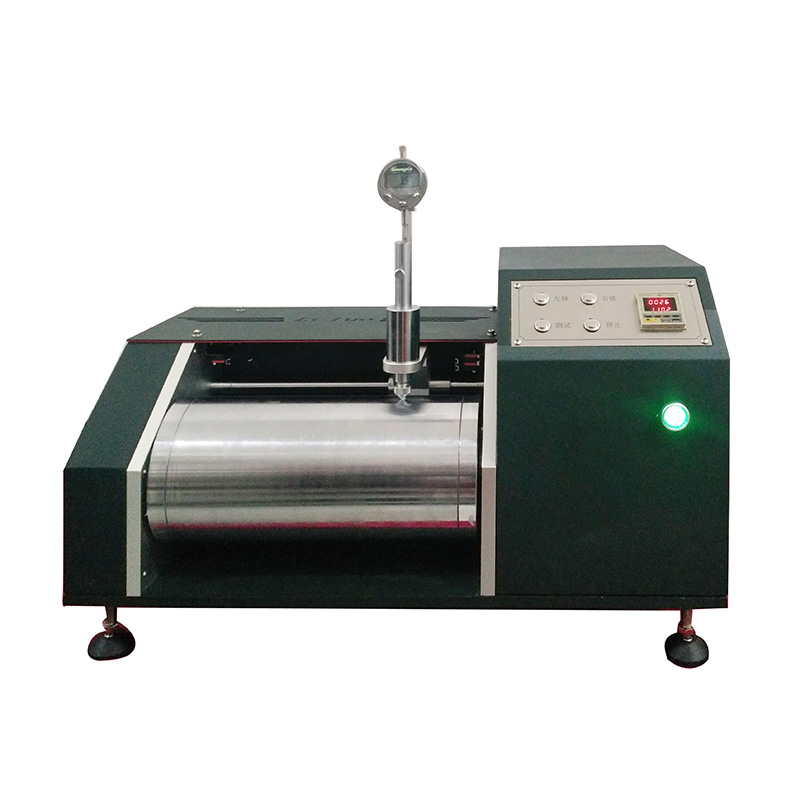
What is a Lead Core Abrasion Tester?
A Lead core abrasion tester is a specialized laboratory instrument designed to quantitatively evaluate the wear resistance of pencil leads. As your product description confirms, its sole purpose is to test this critical property. The machine operates by subjecting a stationary or moving lead core to a standardized abrasive action under a controlled load and for a specified number of cycles. The amount of material worn away is then precisely measured, providing a numerical value that directly correlates to the lead’s hardness and durability. This objective data is essential for classifying leads accurately, from soft ‘B’ grades to hard ‘H’ grades, and ensuring they perform as expected on paper.
Core Testing Principles: Simulating the Act of Writing
While specific mechanisms vary, a reliable pencil lead wear test machine typically employs one of these principles to simulate long-term use:
- Reciprocating Abrasion Method: The pencil lead is pressed against a standardized abrasive paper or surface and moved back and forth repeatedly over a fixed distance.
- Rotating Drum Method: The lead is applied to a rotating drum covered in abrasive material, simulating a continuous drawing or writing motion.
- Point Wear Method: Measures the resistance of a sharpened pencil point to blunting under controlled conditions, directly related to its abrasion resistance test performance.
In all cases, the key is the consistency of the applied pressure, speed, and abrasive medium.
How the Tester Transforms Subjective Feel into Objective Data
The operation of a lead hardness tester is a precise, standardized process that eliminates guesswork:
- Sample Preparation: Pencil leads of the same grade and batch are selected and sharpened to a consistent point, if required by the test method.
- Calibration and Setup: The machine is calibrated, and the test parameters are set, including the applied load, the number of strokes or revolutions, and the type of abrasive surface.
- Test Execution: The machine is activated, automatically performing the abrasive cycles with unwavering consistency, free from human variability.
- Measurement and Analysis: After the test, the wear is quantified. This can be done by measuring the loss in lead length, the loss in mass (using a precision scale), or the change in the diameter of the lead point.
- Data Correlation: The wear data is correlated to established hardness scales, ensuring that an “HB” lead from any batch falls within the strict, predefined performance window.
The Critical Role in Manufacturing and Quality Assurance
Implementing a Lead core abrasion tester in your pencil performance test and quality control process is a strategic investment that delivers a clear return:
- Standardize Production and Ensure Batch-to-Batch Consistency: Guarantee that every pencil in a specific grade (e.g., 2B, 4H) feels and performs identically, building unwavering brand trust.
- Validate Raw Material Quality: Test different graphite-clay mixtures to optimize formulas for specific hardness grades and performance characteristics, reducing material costs and waste.
- Drive Research & Development (R&D): Objectively compare new lead formulations, such as polymer-based or high-density cores, against traditional mixes to drive innovation.
- Ensure Compliance with International Standards: Provide documented, objective evidence that your products meet industry standards (e.g., ISO, ASTM), which is crucial for B2B contracts and export.
Key Selection Criteria for Your Testing Lab
Choosing the right Lead core abrasion tester requires careful consideration of your specific application needs:
- Testing Standard Compliance: Ensure the machine is designed to meet the specific international or internal standards you need to follow (e.g., ASTM, ISO, or proprietary methods).
- Precision of Measurement: The system must have a high-resolution method for quantifying wear, whether through laser micrometers, precision balances, or digital encoders.
- Automation and Repeatability: Look for a system that automates the testing cycle as much as possible to minimize operator influence and ensure highly repeatable results.
- Versatility in Test Parameters: The ability to adjust load, speed, and abrasive medium is crucial for simulating different use cases (e.g., sketching vs. technical drafting).
- Robustness and Ease of Use: The equipment should be durable enough for a QC lab environment and have an intuitive interface for routine operation.
Conclusion: The Definitive Tool for a Flawless Writing Experience
In a market where user experience is paramount, the subtle performance of a pencil can define a brand. The Lead core abrasion tester is the indispensable tool that allows manufacturers to master this subtlety. By replacing subjective judgment with objective, quantifiable data, it empowers companies to deliver on the promise of consistency in every pencil they produce. This isn’t just about passing a test; it’s about embedding a commitment to quality and performance into the very core of your product, ensuring that artists can trust their shading and engineers can rely on their lines.
Post time: Nov-24-2025


