



In the world of modern product design, waterproof reliability is a core factor that determines the long-term durability of electronics, vehicles, and outdoor equipment. A Rain Test Chamber plays a vital role in verifying how well a product can resist rain, humidity, and water ingress under real-world environmental conditions. By simulating various rainfall intensities and durations, this testing machine ensures that every product leaving the factory meets the required waterproof protection standards.
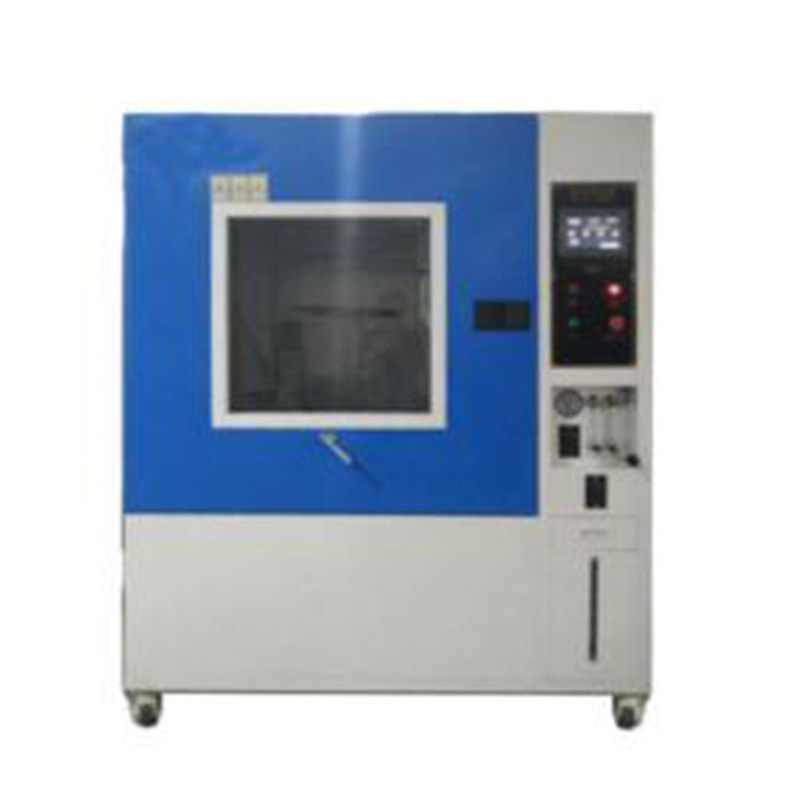
A Rain Test Chamber is a specialized environmental simulation device designed to reproduce natural rainfall conditions such as drizzle, steady rain, and heavy downpour. It is widely used across industries including electronics, automotive, appliances, textiles, and materials research. Whether testing automotive headlights, electrical junction boxes, or waterproof coatings, the chamber ensures products can withstand exposure to rain without compromising safety or function.
Modern Rain Test Chambers go beyond simple spray testing. They combine adjustable rainfall patterns, programmable water pressure, and precise control of temperature and humidity. The system includes fine nozzles and rotating platforms to simulate uniform rain coverage. High-pressure pumps maintain consistent spray intensity, while PLC controllers monitor and adjust the testing process in real time. The result is a repeatable, data-driven evaluation of a product’s waterproof capability.
One of the key advantages of a Rain Test Chamber is its versatility. It can simulate rainfall at different intensities, angles, and durations, helping manufacturers assess performance under both mild drizzle and storm-like conditions. The chamber can also combine rain simulation with temperature and humidity control, providing a comprehensive view of a product’s behavior under climatic stress. This is especially valuable for outdoor electronic devices, vehicles, and construction materials that face both rain and temperature fluctuations.
When conducting tests, most manufacturers follow international waterproof standards such as IEC 60529 (IP Code) or GB/T 2423. These standards define how products are rated for water ingress protection — for example, IPX3 for spraying water and IPX5 for jet water resistance. A Rain Test Chamber allows precise execution of these test conditions, from nozzle diameter and spray distance to exposure duration and pressure. For high-demand applications like automotive lighting or outdoor control panels, strict compliance with these standards ensures reliability and safety in the field.
Internally, a typical Rain Test Chamber consists of several major components: a sealed stainless-steel or aluminum test cabin, a precision spray system, a programmable logic controller (PLC), a water circulation and filtration system, and an automatic drainage setup. The sample can be mounted on a rotating platform or fixture to ensure full exposure from multiple angles. Advanced models allow automatic adjustment of spray pressure and frequency, enabling seamless transition between light rain and storm simulation.
To design a reliable test protocol, engineers should clearly define the test objective — whether it is certification, R&D validation, or quality inspection. Each product category requires specific settings: water pressure (0.05–1.0 MPa), temperature (ambient to 90 °C for hot water tests), and duration (from minutes to hours). The Rain Test Chamber supports programmable cycles that automatically sweep through these parameters, improving repeatability and reducing manual error. Data logging features record pressure, temperature, and time, providing traceable evidence for compliance audits.
Rain testing often reveals critical product weaknesses. Common failures include seal leakage, corrosion, electrical short circuits, coating delamination, and connector oxidation. These failures highlight areas where design or material improvements are needed — better sealing gaskets, anti-corrosion coatings, optimized enclosure geometry, or improved drainage paths. Through such insights, manufacturers can enhance durability and prevent costly warranty issues.
When choosing a Rain Test Chamber, buyers should consider chamber size, water pressure range, spray nozzle configuration, and control precision. Other essential features include programmable test profiles, automatic water recycling, easy maintenance access, and data export functions. High-end models offer user-friendly touchscreens, remote control, and integration with other climatic chambers. Selecting the right model depends on product size, required standards, and production testing frequency.
Real-world applications demonstrate the versatility of the Rain Test Chamber. In the automotive industry, it ensures that headlights, taillights, and side mirrors maintain visibility under rain exposure. In electronics manufacturing, it validates waterproof smartphones, control panels, and sensors. Textile and material companies use it to verify the durability of water-repellent coatings. Across industries, this chamber provides measurable, repeatable testing data for waterproof reliability.
In conclusion, the Rain Test Chamber is more than a testing device — it’s an essential part of product quality assurance. By accurately simulating natural rainfall and environmental stresses, it helps manufacturers guarantee that their products remain functional and safe even in harsh weather. For any company aiming for international waterproof certification or enhanced reliability, investing in a high-quality Rain Test Chamber is a critical step toward long-term success.
Post time: Oct-07-2025


