



Beyond the Spin: How Durability Testing Ensures Your Roller Skates Perform and Protect
For athletes pushing limits and enthusiasts enjoying a casual roll, the wheel is the sole point of contact between skater and surface. Its wear isn’t just about performance fading; it’s a critical safety concern. A wheel that wears unevenly or too quickly can lead to loss of control, instability, and accidents. How can manufacturers objectively prove that their wheels can withstand miles of pavement, park concrete, or rink flooring? The Roller Skating Shoe Durability Testing Machine provides the definitive, data-driven answer. This specialized simulator accelerates hundreds of skating hours into a controlled laboratory test, quantifying wear resistance and ensuring every pair delivers consistent performance and safety from the first roll to the last.
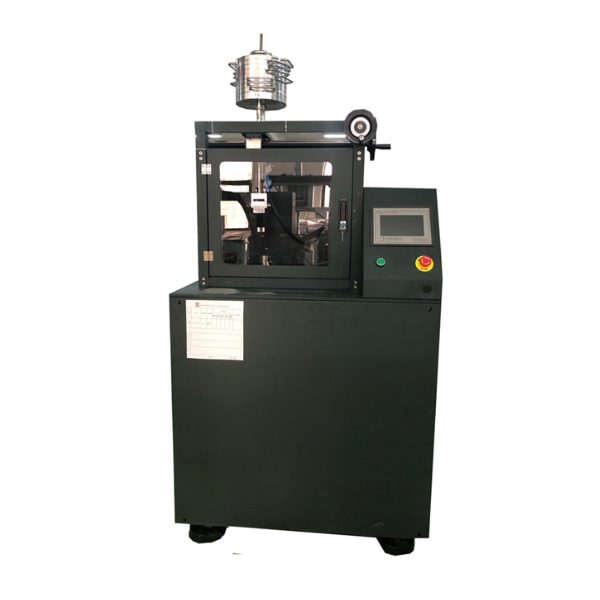
What is a Roller Skate Durability Testing Machine?
A Roller Skating Shoe Durability Testing Machine is a precision-engineered laboratory instrument designed to simulate the abrasive forces experienced by inline skate or roller skate wheels during actual use. As per your description, its primary function is to test the wheel abrasion resistance after being subjected to controlled friction against an abrasive surface or simulated roadway. The machine typically operates by mounting a complete skate or individual wheels and rotating them under a specified load against a moving abrasive belt or drum. By measuring the mass loss or dimensional change of the wheel after a set number of cycles, it provides an objective, repeatable metric for durability, crucial for both competitive and recreational skate sports equipment quality control.
Core Testing Principles: Simulating Real-World Abuse
The tester replicates key wear scenarios through controlled mechanical action. Common methodologies include:
- Rotating Drum/Belt Abrasion Test: The skate wheel, under a load simulating a skater’s weight, is pressed against a rotating abrasive drum or belt. This simulates continuous rolling on rough surfaces like asphalt.
- Reciprocating or Sliding Friction Test: Simulates braking, sliding, and lateral push-off motions that cause different wear patterns compared to pure rolling.
- Edge Wear and Hardness Correlation: The test data helps correlate the wheel’s urethane (or other material) hardness (durometer) with its actual wheel wear resistance, ensuring marketing claims match real-world performance.
A Step-by-Step Look at the Durability Assessment Protocol
While specific standards may vary, a robust inline skate durability tester follows a rigorous, standardized process:
- Sample Preparation & Baseline Measurement: New wheels are precisely weighed and their key dimensions (diameter, width) recorded.
- Machine Setup: The skate or wheel assembly is mounted on the tester. The appropriate load (e.g., simulating an average user weight) is applied, and the abrasive medium (e.g., specified grit paper or concrete slab) is installed.
- Test Execution: The machine is activated. The wheels rotate against the abrasive surface for a predetermined number of cycles or distance (e.g., equivalent to 50, 100, or 500 miles of skating).
- Post-Test Analysis: The wheels are carefully removed, cleaned, and re-weighed/remeasured. The mass loss and change in dimensions are calculated.
- Data Interpretation & Reporting: The wear rate (e.g., mg lost per 1000 cycles) is determined. This quantifiable result allows for direct comparison between different wheel formulas, brands, or prototypes.
Why This Test is Critical for Manufacturers and Skaters Alike
Implementing a formal durability test protocol delivers strategic advantages across the board:
- Safety First – Predict and Prevent Failures: Identify wheels that wear excessively or unevenly before they reach the market, mitigating the risk of skater injuries due to sudden performance degradation.
- Data-Driven Product Development (R&D): Objectively compare new urethane compounds, core designs, and wheel profiles to engineer products that are faster, longer-lasting, or specialized for specific disciplines (e.g., aggressive, speed, hockey).
- Validate Marketing Claims with Credibility: Move beyond subjective terms like “long-lasting.” Support claims with hard data, building stronger brand trust with retailers and consumers.
- Ensure Compliance with Industry Standards: Align testing with relevant sports equipment standards (e.g., aspects of ASTM F2044 for recreational products), which is increasingly important for liability protection and market access.
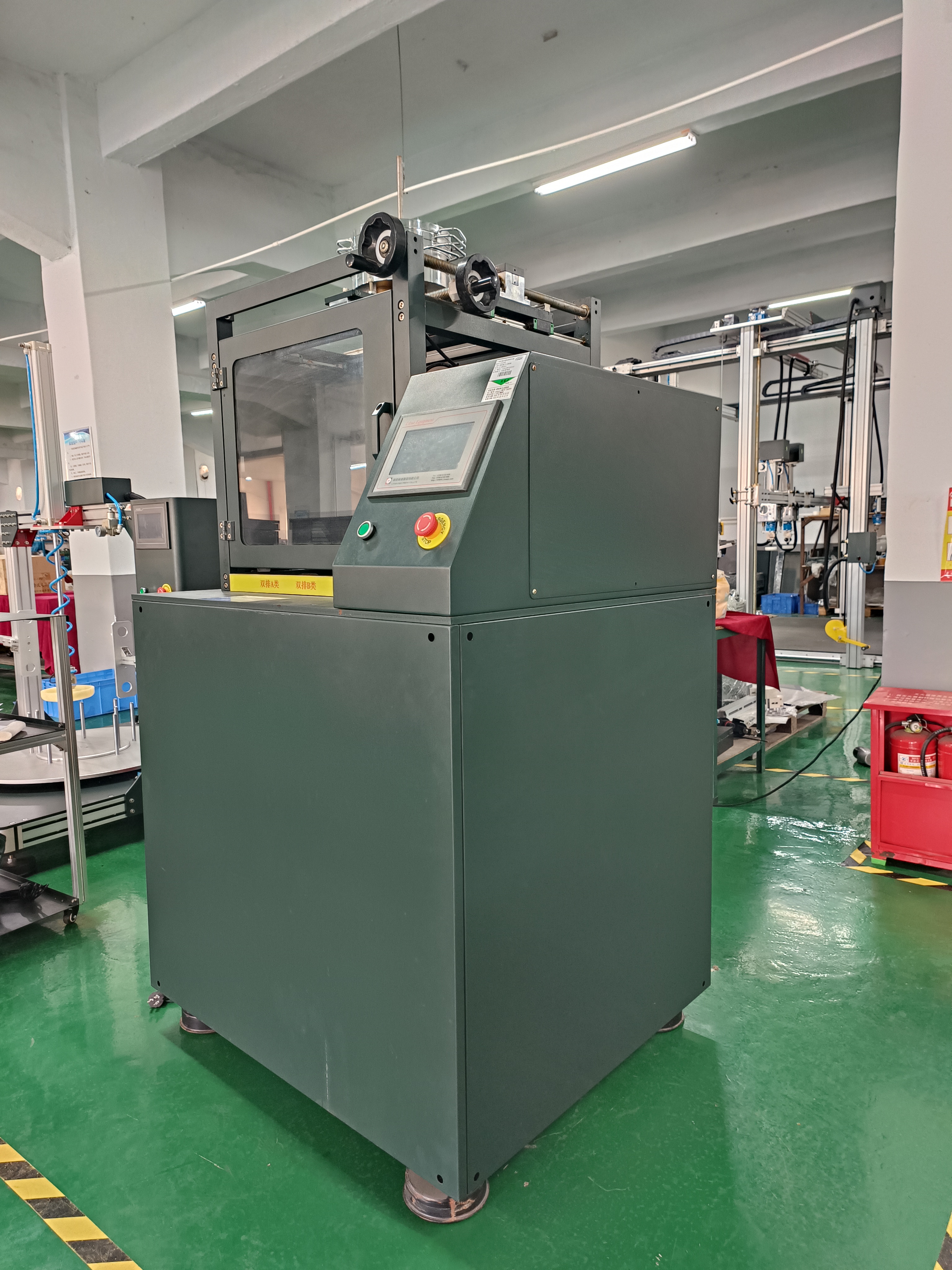
Key Specifications of a Reliable Testing Machine
When selecting a Roller Skating Shoe Durability Testing Machine, consider these critical capabilities:
- Adjustable Load Application: Must be able to accurately apply and maintain loads that simulate different skater weights.
- Programmable Cycle Control: Allows for setting precise test durations, speeds, and distances to simulate various usage intensities.
- Standardized Abrasive Media: Should use or be compatible with industry-recognized abrasive surfaces to ensure test results are consistent and comparable.
- Precision Measurement Integration: Ideally facilitates easy pre- and post-test weighing and measuring with high accuracy.
- Durability and Repeatability: The tester itself must be robust enough to run continuous, high-cycle tests without its own performance drifting.
Conclusion: The Foundation for Trust on Every Wheel
In the fast-moving world of roller sports, confidence in your equipment is paramount. The Roller Skating Shoe Durability Testing Machine is the essential tool that transforms that confidence from a hope into a verified fact. By subjecting wheels to a controlled, accelerated lifetime of wear, manufacturers can deliver products that not only meet but exceed expectations for performance and safety. This commitment to empirical validation is what builds legendary brands and ensures that every push, every turn, and every stop is supported by unwavering reliability.
Post time: Dec-01-2025


