



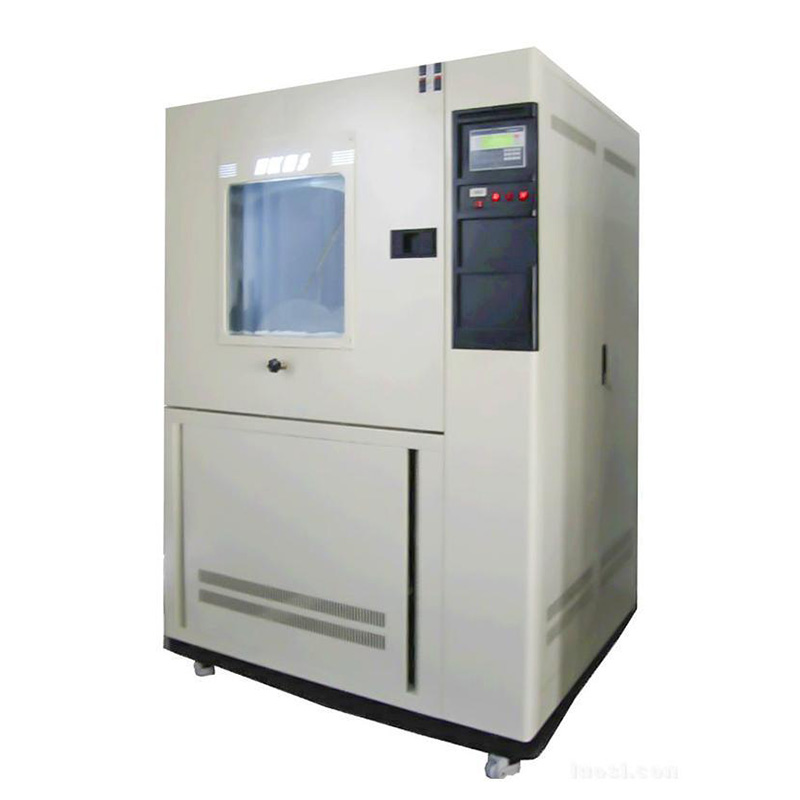
In many industries—especially automotive, electronics, defense, and electrical manufacturing—products must endure challenging outdoor environments filled with dust and fine sand. To ensure their durability and performance, manufacturers rely on Sand and Dust Testing Chambers to simulate these harsh conditions accurately. By replicating extreme dust exposure, this chamber evaluates a product’s dustproof protection, air-tightness, and mechanical performance before it reaches the market.
Why Sand and Dust Testing Matters
Sand and dust can significantly impact the reliability of mechanical and electronic systems. Particles can penetrate housings, interfere with moving parts, degrade insulation, or cause electrical failures. The Sand and Dust Testing Chamber plays a critical role in identifying these weaknesses before products are deployed in real-world environments.
Main industries benefiting from dust testing:
-
Automotive & Motorcycle Components
-
Low-voltage Electrical Appliances
-
Household Electronics
-
Outdoor Industrial Equipment
-
Military & Defense Systems
By performing structured testing, manufacturers can ensure compliance with GB2423, GB4706, and DIN standards, and identify failure points early in product development.
How the Sand and Dust Testing Chamber Works
The Sand and Dust Testing Chamber creates a controlled, repeatable dust exposure environment. Fine talc or dust particles are circulated within the chamber using an airflow system and vacuum controls. This allows for simulation of real-world dust ingress into sensitive components.
Core Technical Features:
-
Chamber size: 800 × 800 × 800 mm
-
Ambient conditions: 0–35 °C, humidity 25–75% RH
-
Temperature adjustable up to 60 °C
-
Vacuum system: 0–6 L/min flow, 0–2 kPa negative pressure
-
Dust concentration: 2 kg/m³
-
Power supply options: AC110V / 220V
These specifications enable precise control of airflow, dust density, and temperature, creating a repeatable testing environment to evaluate IP5X and IP6X ingress protection ratings.
Test Methods and Procedures
-
Sample Placement
The test specimen is mounted inside the chamber. Electrical devices can be powered during the test through built-in lead holes. -
Environmental Simulation
Dust particles are circulated for a set period, typically several hours, under controlled temperature and vacuum conditions to replicate dusty environments. -
Ingress Evaluation
After the test, the product is inspected for dust penetration in seals, enclosures, and sensitive components. Functional tests are also performed. -
Compliance and Reporting
The chamber supports testing procedures according to GB2423, GB4706, DIN, and IP standards. Results can be documented and exported for certification or product development use.
Key Advantages of Using Sand and Dust Testing Chambers
-
Realistic Environmental Simulation — Replicates natural dust storms or dry road conditions.
-
High Testing Accuracy — Controlled temperature, vacuum, and dust concentration.
-
Standard Compliance — Meets international and industry standards.
-
Product Protection Improvement — Identifies weak sealing or air-tightness issues before market launch.
-
Flexible Application — Suitable for electrical, automotive, and defense products.
These features make it a critical tool in reliability testing programs and quality assurance protocols.
Applications Across Industries
-
Automotive & Transportation: Assessing dust ingress into lighting systems, dashboards, and connectors.
-
Consumer Electronics: Evaluating protective housings and sealing components.
-
Electrical Equipment: Testing insulation and operational stability in dusty environments.
-
Defense Systems: Ensuring reliable performance in extreme field conditions.
By incorporating sand and dust testing into quality control, manufacturers can reduce product failure rates, meet global standards, and enhance brand reputation.
Conclusion
The Sand and Dust Testing Chamber is a powerful testing solution designed to evaluate a product’s resistance to dust penetration under controlled environmental conditions. With advanced control systems, adjustable parameters, and compliance with major standards, it ensures products maintain peak performance even in the harshest dusty environments.
For manufacturers aiming to achieve higher reliability, durability, and certification compliance, this chamber is a critical investment in product quality.
Post time: Oct-12-2025


