



Don’t Let Your Stack Collapse: How Servo Compression Testers Guarantee Packaging Integrity
In the world of logistics and warehousing, a corrugated box is a miniature structural marvel, silently bearing the immense weight of stacked pallets. A failure in its design isn’t just an inconvenience—it’s a direct path to product damage, supply chain disruptions, and massive financial loss. How can you be certain your packaging can withstand the crushing forces of storage and transit? The Servo System Carton Compression Test Machine provides the definitive, data-backed answer. This advanced packaging compression strength instrument moves beyond basic testing, offering unparalleled precision to simulate real-world stacking conditions and validate every box design. This guide explores why it’s the gold standard for modern packaging quality control.
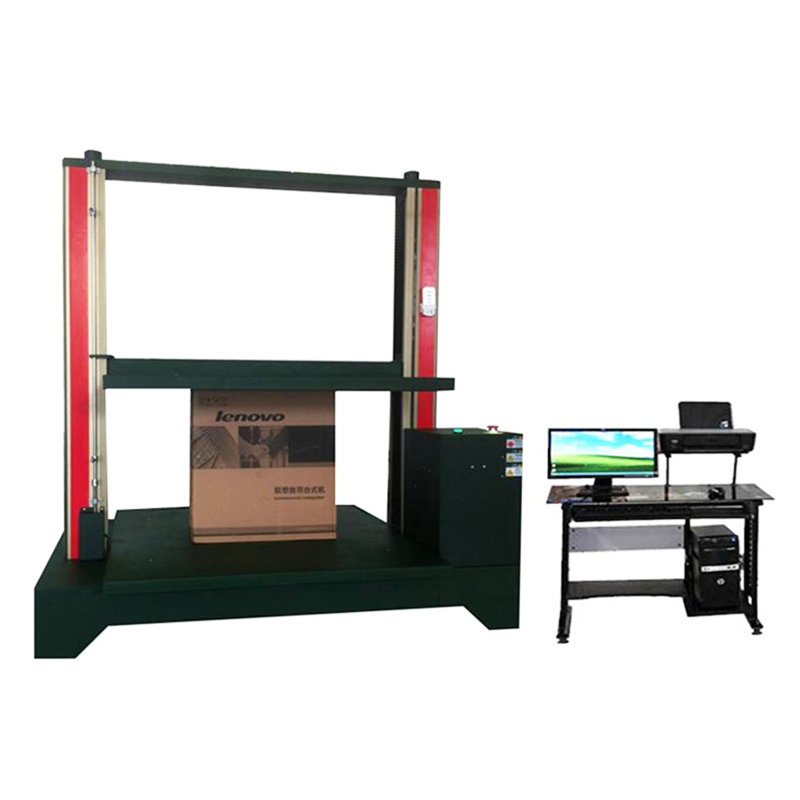
What is a Servo System Carton Compression Test Machine?
A Servo System Carton Compression Test Machine is a high-precision electromechanical instrument designed to measure the maximum compressive force a corrugated box or pallet can withstand before collapsing. Unlike older mechanical systems, it utilizes a computer-controlled servo motor and drive system to apply force with exceptional smoothness, accuracy, and repeatability. The primary goal is to determine the Box Compression Strength (BCT), a critical metric that directly predicts performance in warehouse stacking. By providing reliable and repeatable data, this machine is indispensable for optimizing packaging design, reducing material use, and ensuring compliance with international transportation standards.
Core Advantages of Servo-Driven Technology
The choice of a servo system is what sets modern testers apart. Key benefits include:
- Unmatched Precision & Control: The servo motor allows for perfectly controlled, stepless speed regulation throughout the test, from initial contact to ultimate failure.
- Exceptional Repeatability: Eliminates the variability inherent in hydraulic or pneumatic systems, ensuring that test results are consistent and reliable day after day.
- Data-Rich Output: Generates complete force-displacement curves, providing insights not just into the maximum load, but also into the box’s stiffness and failure behavior.
- Clean, Quiet & Low Maintenance: Operates without hydraulic oil, making it cleaner, quieter, and more environmentally friendly with minimal ongoing maintenance.
How It Works: From Simple Crush to Predictive Analysis
The operation of a box compression tester is a precise, automated process that delivers deep insights:
- Sample Placement: A finished, empty corrugated box is centered on the machine’s lower platen.
- Parameter Setting: The operator inputs the test speed and other parameters via the digital controller, in compliance with standards like ASTM D642.
- Automated Test Cycle: The servo motor drives the upper platen downward, applying ever-increasing compressive force to the box at a constant, controlled speed.
- Peak Load Detection: The machine’s load cell continuously monitors the force, accurately capturing the peak load (in pounds or newtons) the box supports before buckling.
- Comprehensive Reporting: The system records the maximum force (BCT) and often generates a graph of force vs. displacement, which is crucial for advanced load stacking test analysis and design validation.
The Critical Business Impact of BCT Testing
Implementing a rigorous BCT test protocol with a servo-driven machine is a strategic business decision with a clear ROI:
- Prevent Catastrophic Supply Chain Failures: Accurately predict and prevent stack collapses in warehouses and shipping containers, avoiding massive product damage and associated costs.
- Optimize Packaging for Cost Savings (Right-Weighting): Use precise data to eliminate over-engineering, reducing material costs without sacrificing protection. Conversely, prevent under-engineering that leads to failures.
- Validate Designs for E-commerce & Logistics: Ensure your boxes can withstand the unique stresses of modern e-commerce fulfillment centers and parcel delivery systems.
- Ensure Compliance & Win Contracts: Provide objective, reliable data to major retailers and logistics partners who require certified corrugated box tester results as a condition of doing business.
Key Specifications for a High-Performance Servo Tester
Selecting the right Servo System Carton Compression Test Machine requires careful evaluation of these critical specifications:
- Force Capacity: Choose a machine with a maximum force that comfortably exceeds the expected BCT of your strongest boxes, with enough headroom for future products.
- Test Space Dimensions: The space between the columns and the platen size must accommodate your largest box footprints.
- Speed Control Accuracy: The servo system should offer precise, programmable test speeds (e.g., 10±3 mm/min) to ensure compliance with international standards.
- Data Acquisition System: Look for a system that provides high-resolution data logging and curve-generation capabilities for in-depth analysis.
- Software and Calibration: Intuitive software and a robust calibration cycle are essential for maintaining long-term accuracy and traceability.
Conclusion: Build a Resilient Supply Chain from the Box Up
In the end, the strength of your packaging is a direct reflection of the resilience of your supply chain. A Servo System Carton Compression Test Machine is more than a quality control tool; it is a strategic asset for risk management and cost optimization. By providing the most accurate and reliable data on box performance, it empowers you to make informed decisions that protect your products, your profits, and your brand reputation. Investing in servo technology isn’t just about testing boxes—it’s about building a foundation of confidence for everything you ship.
Post time: Nov-25-2025


