



Beyond the Box: How a Side Pressure Strength Tester Guarantees Your Packaging Integrity
In the world of logistics and shipping, a box is more than just a container—it’s the first line of defense for your valuable products. The hidden strength of corrugated cardboard lies not just in its face, but in the vertical flutes that provide critical stacking strength. How can you be certain your packaging won’t fail under the pressure of a warehouse pallet? The Side Pressure Strength Testing Machine provides the definitive answer. This precision instrument is the cornerstone of modern packaging quality control, delivering automated, reliable data on the edgewise compressive strength of your materials. This guide will show you how it works and why it’s indispensable for any business that ships goods.
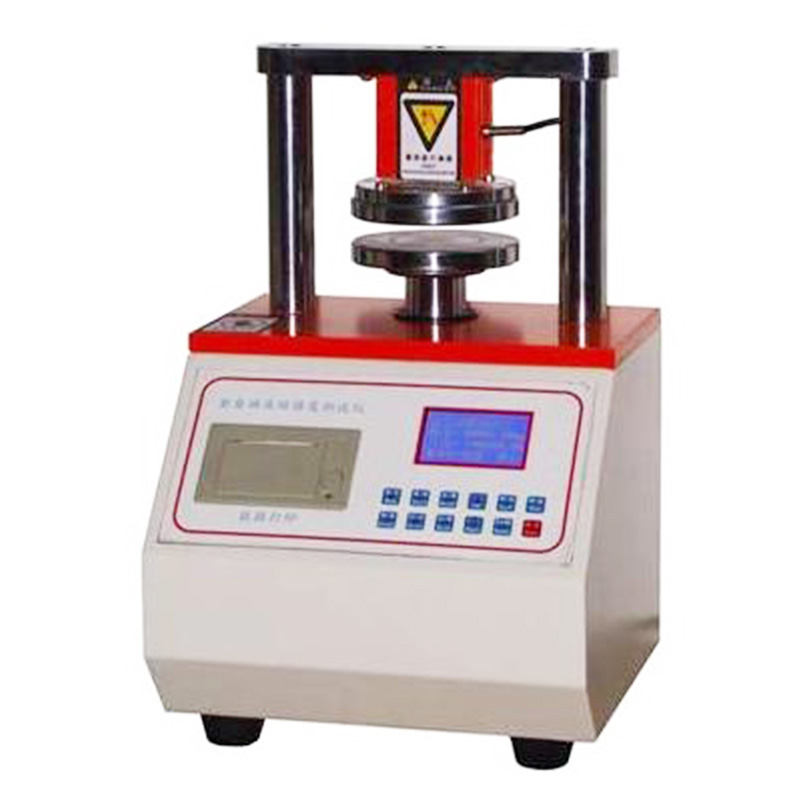
What is a Side Pressure Strength Testing Machine?
A Side Pressure Strength Testing Machine, commonly known as an edge crush tester, is a specialized laboratory instrument designed to measure the edgewise compressive strength of materials like cardboard and corrugated board. Its primary function is to determine the maximum force a material can withstand when pressure is applied perpendicularly to its flutes—a critical metric known as the Edge Crush Test (ECT). As your product description highlights, modern versions are fully automated. Once the sample is inserted, the machine performs the entire process: automatic detection, testing, hydraulic system return, data calculation, storage, and printing via a digital display, ensuring unparalleled accuracy and efficiency.
Key Components for Unmatched Precision
The reliability of this cardboard compression tester stems from its integrated components:
- Precision Load Frame: A rigid structure that ensures force is applied evenly and vertically.
- Automated Crushing Plates: Two parallel plates that apply compressive force to the specimen’s edge.
- High-Accuracy Load Cell: The core sensor that measures the crushing force with exceptional precision.
- Digital Control System & Display: The user interface for controlling tests and viewing real-time data.
- Integrated Printer & Data Storage: For immediate reporting and traceability, as mentioned in your description.
The Critical Role of the Edge Crush Test (ECT)
Understanding the ECT test is fundamental. Unlike the Bursting Strength Test, which measures a material’s resistance to rupture, the ECT specifically evaluates its ability to resist crushing under top-to-bottom load—the exact stress experienced in stacked pallets. A higher ECT value directly correlates to better box performance and safer shipping. This data is crucial for:
- Optimizing packaging design to reduce material use and cost without sacrificing protection.
- Complying with international shipping regulations and carrier requirements.
- Preventing product damage and costly returns due to packaging failure.
The Side Pressure Strength Testing Machine is the definitive tool for obtaining this vital metric.
How the Automated Testing Process Works
The operation of a modern edge crush tester is a seamless, automated cycle designed for maximum repeatability:
- Sample Preparation: A precisely sized specimen is cut from the corrugated board.
- Automatic Clamping & Alignment: The sample is placed, and the machine automatically clamps and aligns it between the compression plates.
- Application of Force: The upper plate moves downward at a controlled speed, applying increasing pressure to the edge of the sample.
- Peak Load Detection & Data Capture: The machine detects the exact moment of failure (the peak load) and records the force in kilopascals (kPa).
- Automatic Return & Reporting: The plates automatically return to the start position, and the result is calculated, stored, and printed—all without operator intervention.
Beyond Cardboard: Versatile Material Applications
While essential for the packaging industry, the versatility of this tester is a key advantage. As per your product description, it can also be used for the breaking strength test of non-paper materials such as silk and cotton. This makes it a valuable asset for:
- Textile Manufacturers: Testing the compressive strength of woven and non-woven fabrics.
- Quality Labs in Diverse Sectors: Evaluating the edgewise strength of various composite and laminate materials.
This flexibility makes it a multi-purpose tool for comprehensive corrugated board strength and material analysis.
Key Factors in Choosing the Right Tester
Selecting the ideal Side Pressure Strength Testing Machine for your lab requires careful consideration of several factors:
- Force Capacity and Accuracy: Ensure the machine’s range (e.g., 250-5600kPa) and accuracy (±0.5% FS) meet your testing standards.
- Level of Automation: A fully automatic system, as described, drastically improves throughput, reduces human error, and ensures result consistency.
- Data Management Capabilities: The ability to automatically store, calculate, and print test data is crucial for traceability and quality audits.
- Compliance with Standards: Verify that the machine is built to comply with relevant international standards (e.g., TAPPI T811, ISO 3037).
- Ease of Use and Support: An intuitive digital interface and reliable technical support are essential for smooth daily operation.
Conclusion: Build a Foundation of Quality and Trust
In the end, the strength of your packaging is a direct reflection of your brand’s commitment to quality. A Side Pressure Strength Testing Machine is more than just a compliance tool; it is a strategic asset that safeguards your products during transit, reduces waste, and builds trust with your customers. By providing objective, automated data on the fundamental corrugated board strength, it empowers you to make smarter decisions, create more resilient packaging, and ultimately, protect your bottom line.
Post time: Nov-15-2025


