



The Unseen Guardian: How Fatigue Testing Ensures Your Door Lock Won’t Fail When It Matters Most
A single-point locking mechanism is the silent sentinel of security and weather sealing for doors and windows. But what happens after thousands of daily engagements and disengagements? Wear, metal fatigue, and spring failure can compromise its function, leading to security risks, energy loss, and user frustration. How can manufacturers predict and prevent these failures before the product leaves the factory? The Single-Point Lockator Fatigue Testing Machine provides the definitive answer. This specialized equipment simulates a lifetime of use in a matter of days, applying repeated, precise mechanical cycles to uncover weaknesses and validate the long-term durability of the entire locking assembly. This guide explores its role as the cornerstone of reliable architectural hardware.
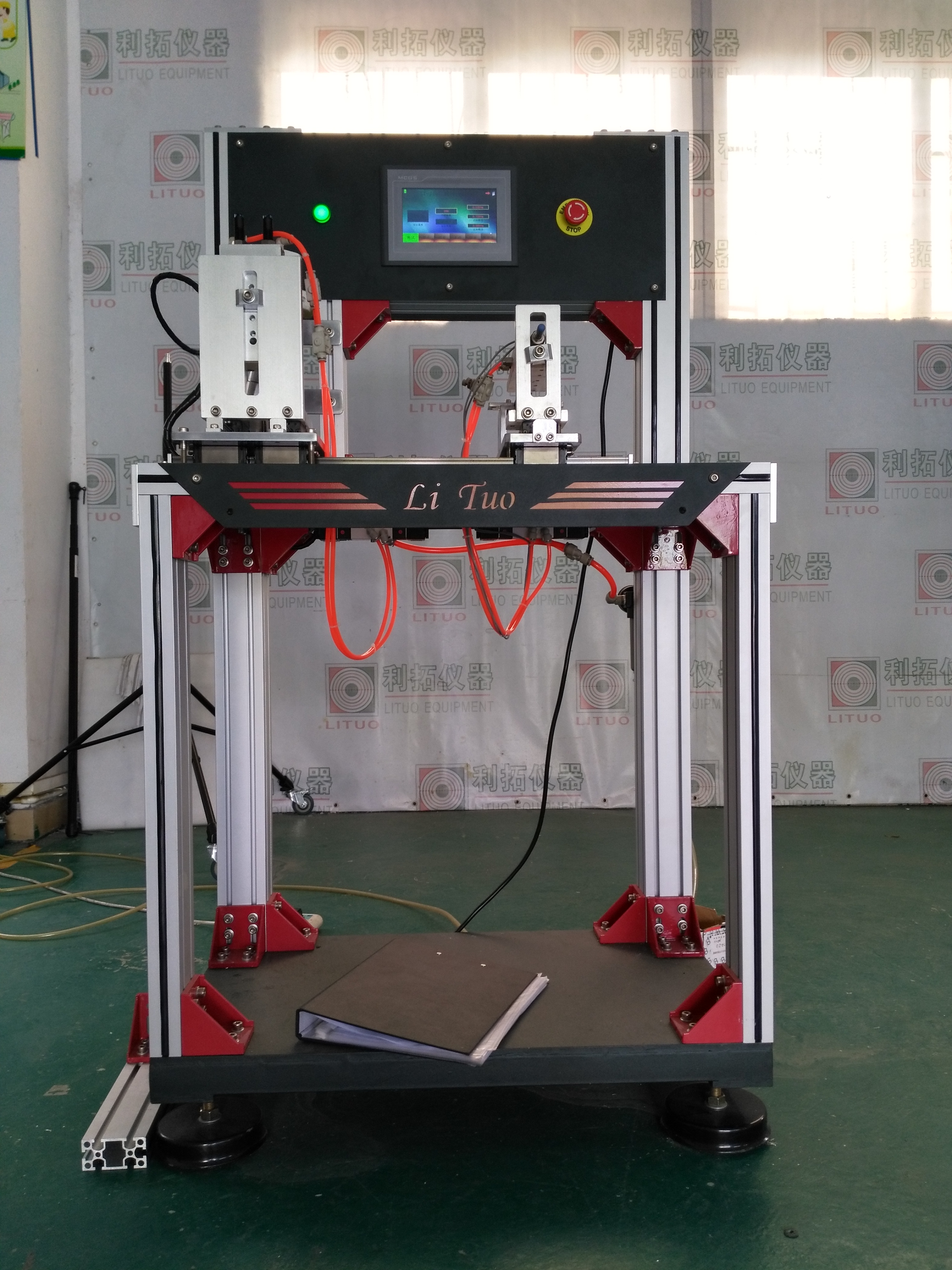
What is a Single-Point Lockator Fatigue Testing Machine?
A Single-Point Lockator Fatigue Testing Machine is a programmable, automated system designed to evaluate the mechanical endurance and operational lifespan of single-point door and window locking mechanisms. “Fatigue” refers to the weakening of materials under repeated stress, which this machine accelerates by simulating the repetitive action of locking and unlocking. It typically employs a pneumatic or servo-electric actuator to engage and disengage the lock’s bolt or latch with consistent force and stroke, for tens or hundreds of thousands of cycles. By doing so, it provides critical data on the door hardware durability test, identifying failure points in springs, levers, gears, and strike plates long before they would occur in real-world use.
Core Components of a Precision Durability Simulator
To deliver reliable and repeatable results, a robust lock mechanism fatigue tester integrates several key systems:
- Programmable Actuator: A pneumatic cylinder or servo motor that provides the precise, repeatable force to operate the lock handle, knob, or lever.
- Universal Mounting Fixture: An adjustable jig that securely holds various sizes and models of locking mechanisms in their functional orientation.
- Electronic Cycle Counter & Controller: The brain of the system, allowing engineers to set the total number of test cycles, speed, and dwell times between operations.
- Force & Displacement Monitoring (Optional): Advanced models may include sensors to monitor the operating force over time, detecting increases that signal internal wear or binding.
The Testing Protocol: Simulating a Decade of Use in a Week
The operation of a window lock life cycle test machine follows a rigorous, automated sequence to generate credible data:
- Fixture Configuration & Sample Mounting: The single-point lock is securely installed in the test fixture, aligned so the actuator engages it exactly as a user would.
- Parameter Programming: The desired number of cycles (e.g., 50,000, 100,000) is programmed, along with the actuation speed and stroke to match the lock’s design.
- Accelerated Cycling: The machine automatically begins, repeatedly engaging (locking) and disengaging (unlocking) the mechanism. This process runs continuously, 24/7.
- Failure Monitoring: The system may be set to stop if a failure is detected (e.g., the bolt fails to extend fully, the handle becomes loose, or excessive force is required).
- Post-Test Evaluation: After completing the target cycles, the lock is removed and thoroughly inspected for wear, plastic deformation, broken components, or any loss of function.
Why This Test is Non-Negotiable for Quality and Compliance
Incorporating rigorous fatigue testing into the production process is a strategic business decision with clear returns:
- Prevent Costly Field Failures and Warranty Claims: A lock that fails in the field leads to expensive service calls, replacements, and damaged brand reputation. Proactive testing prevents this.
- Ensure Compliance with Industry Standards: Passing a specified number of operational cycles is a fundamental requirement of major hardware performance standards, such as ANSI/BHMA, which is essential for commercial and institutional projects.
- Validate Material and Design Choices: Provides objective proof that chosen materials (e.g., zinc alloy vs. steel) and spring designs can withstand long-term use.
- Build a Brand Known for Reliability: Hardware certified to have passed rigorous life-cycle testing can be marketed with confidence, justifying a premium and building trust with architects, builders, and end-users.
Key Selection Criteria for Your Testing Lab
Choosing the right Single-Point Lockator Fatigue Testing Machine requires evaluating it against your specific product range:
- Versatility and Fixturing: The machine should accommodate a wide range of lock sizes and types (casement, awning, door locks) with quick-change fixtures.
- Cycle Capacity and Speed: It must be capable of achieving high cycle counts (hundreds of thousands) at a speed that makes accelerated testing practical.
- Force Capability and Control: The actuator must deliver sufficient and consistent force to operate stiff mechanisms and allow for force adjustment.
- Durability and Uptime: The tester itself must be extremely robust to operate continuously under load without frequent maintenance or breakdown.
- Data Recording: Features like automatic cycle counting and event logging are valuable for creating test reports and failure analysis.
Conclusion: Engineering Confidence into Every Lock and Latch
Ultimately, the true value of a locking mechanism lies in the user’s unspoken confidence that it will work every time. The Single-Point Lockator Fatigue Testing Machine is the engineering instrument that builds this confidence directly into the product. By subjecting locks to a simulated lifetime of relentless use, manufacturers can move from hoping for reliability to guaranteeing it with empirical data. This investment transcends simple quality control; it is a commitment to security, performance, and peace of mind, ensuring that the hardware you specify or manufacture stands the test of time and use.
Post time: Dec-09-2025


