



Why Steam Aging Tests Matter for Electronics
In today’s semiconductor and electronics industry, product reliability is everything. Components such as solder joints and PCB boards are exposed to humid environments, which can lead to corrosion and premature failure. A steam aging machine simulates these conditions, making it possible to evaluate the long-term durability of materials. Without such testing, products may suffer unexpected breakdowns, resulting in costly recalls and damage to brand reputation.
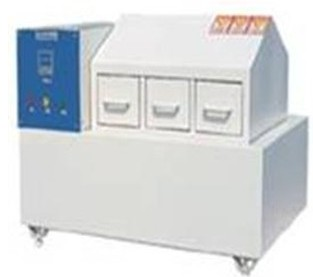
How a Steam Aging Machine Works
The steam aging machine exposes samples to controlled steam at a stable temperature and humidity level. This process accelerates the natural aging effect of moisture, allowing engineers to measure solderability and bond reliability in a short period. In essence, it compresses years of real-world wear into hours of testing, ensuring that the semiconductor device or electronic component will perform under demanding conditions.
Key Features and Technical Highlights
Modern semiconductor aging machines combine precision with durability. Typical features include:
- Accurate temperature control (up to ±0.5℃) for consistent results.
- SUS 304 stainless steel chamber materials to resist corrosion.
- PID + SSR digital control system for stable performance.
- Flexible testing cycles, supporting short or extended simulations.
These features ensure repeatability, helping manufacturers meet international reliability standards.
Applications Across Industries
The aging test machine is widely used in industries that demand high-quality and reliable electronics, including:
- Semiconductor packaging and bonding.
- PCB manufacturing and solder joint validation.
- Consumer electronics and automotive electronic systems.
By identifying weaknesses early, companies can reduce failure rates, extend product life, and maintain customer trust.
How to Choose the Right Steam Aging Machine
Selecting the right steam aging machine depends on several factors:
- Compliance with standards such as JESD22-A111 or MIL-STD.
- Chamber capacity suitable for your production scale.
- Control precision and user-friendly interfaces.
- Reliable after-sales service and technical support.
Investing in the right equipment ensures accurate test results and lowers long-term production risks.
Conclusion: Ensuring Long-Term Reliability
In an increasingly competitive electronics market, ensuring product reliability is not optional—it’s essential. A steam aging machine provides a proven method for validating solderability and long-term durability, giving manufacturers the confidence to deliver high-quality products that stand the test of time.
Post time: Sep-08-2025


