


A shower may look simple from the outside, but its performance depends on several measurable factors, including water pressure, flow rate, spray performance and water efficiency. For manufacturers, simply confirming that water comes out of a shower is not enough. Reliable testing is necessary to determine whether a product delivers stable performance under defined conditions.
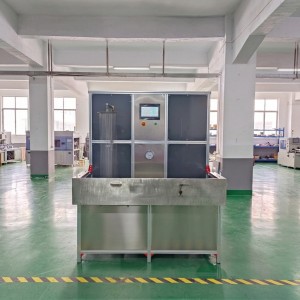
A Shower Flow Rate Testing Machine provides a controlled environment for measuring these characteristics and is particularly useful for manufacturers, quality-control laboratories and third-party testing organizations.
One of the most important parameters in shower testing is flow rate. Flow rate describes how much water passes through the shower within a given period, usually expressed in L/min. A higher flow rate does not automatically mean better performance. If the flow rate is excessive, the product may consume unnecessary water. If it is too low, users may experience insufficient rinsing performance or an unsatisfactory shower experience. Therefore, manufacturers need to balance water consumption with actual product performance.
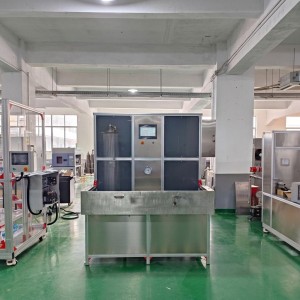
Water pressure is another critical factor. The same shower can produce different flow rates when tested at different pressures. This means that flow-rate measurements are meaningful only when the testing pressure is controlled. The Shower Flow Rate Testing Machine uses variable-frequency pump control to adjust the water pressure, with a maximum test pressure of 0.8 MPa and a commonly used testing pressure of around 0.4 MPa. Maintaining stable pressure helps laboratories obtain more consistent and repeatable results.
Another important consideration is water circulation. Traditional testing arrangements may require an external water supply and drainage system, which can make laboratory installation more complicated. A modern shower testing machine can instead use an internal water circulation system. With an 80 L or larger water tank, water can be collected, filtered and circulated during testing. This makes the equipment more convenient for laboratory use while reducing dependence on external water connections.
Testing the complete shower assembly is also important. Individual components may perform well when tested separately, but the actual performance of a complete installed shower system can be affected by connections, valves, hoses and other components. For this reason, shower flow testing should consider the product in its actual installation configuration whenever the applicable test method requires it.
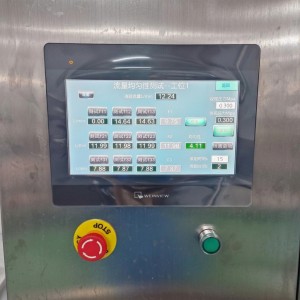
Modern testing equipment also makes operation and data management easier. A touchscreen interface allows operators to select different testing functions, set parameters and monitor the testing process. Independent function menus can make it easier to perform individual tests while reducing unnecessary manual adjustments. Emergency-stop controls, pressure regulation and pump protection further improve laboratory safety.
For manufacturers selling products internationally, standards are another major reason to conduct controlled testing. EN 1111 and EN 1112 are important European standards associated with sanitary tapware and shower products. Testing products against the relevant requirements helps manufacturers identify performance problems during product development and quality control before products enter the market.
Ultimately, shower flow rate testing is not simply about measuring how much water comes out of a shower. It is about establishing a controlled relationship between water pressure, flow performance, product configuration and water consumption. A properly designed Shower Flow Rate Testing Machine gives manufacturers and laboratories a repeatable way to evaluate these characteristics and improve product consistency.
As water conservation becomes increasingly important, manufacturers are under greater pressure to develop shower products that provide a comfortable user experience while controlling water consumption. Accurate flow testing therefore plays an increasingly important role in product development, quality assurance and international market access.
Post time: Oct-21-2026


