


Introduction: Why Hinge Testing is Critical for Cabinet Quality
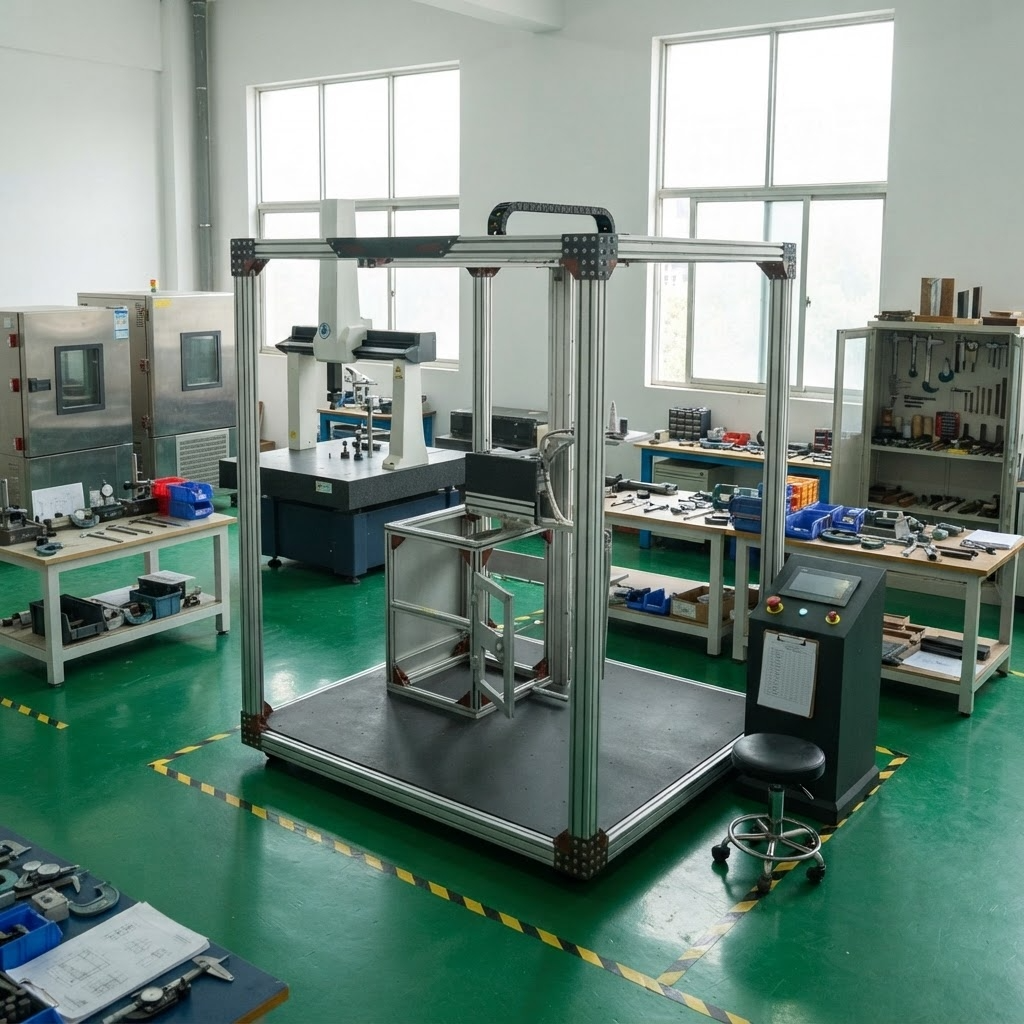
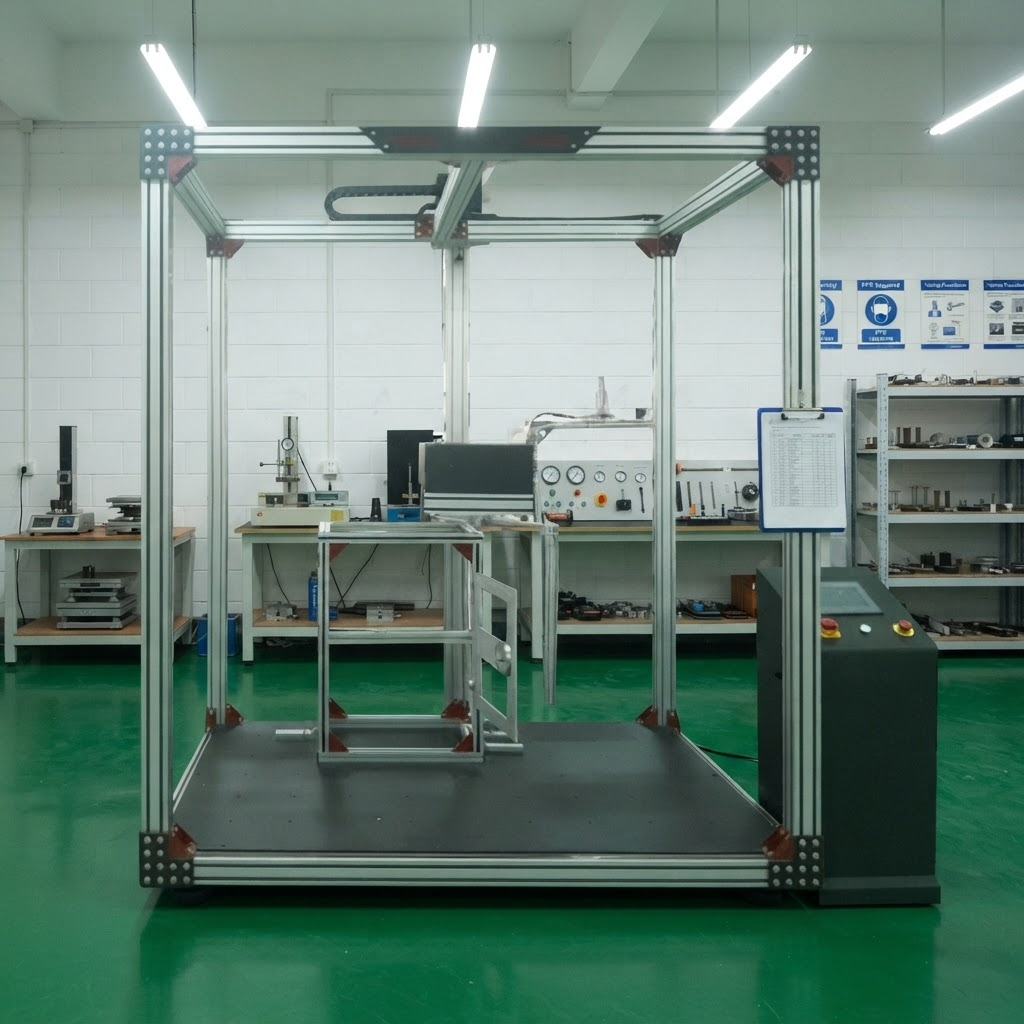
Cabinet door hinges are among the most frequently stressed components in kitchen, office, and storage furniture. A hinge that loosens, bends, or fails after months of daily use leads to misaligned doors, customer complaints, and costly replacements. The Cabinet Door Hinge Durability Tester is a specialized testing system designed to evaluate the performance of both finished hinges and semi-finished hinge components. This machine performs vertical static load tests, horizontal static load tests, operating force measurements, and cyclic life (durability) tests — simulating years of real-world opening and closing in a controlled laboratory environment. For manufacturers, hardware suppliers, and quality labs, this equipment ensures hinges meet international standards and deliver reliable, long-lasting performance.
Comprehensive Testing Capabilities
The Cabinet Door Hinge Durability Tester integrates four critical tests into one automated system.
1. Vertical Static Load Test
This test applies a downward force on the open hinge (simulating the weight of the door or additional load placed on it). The machine measures the hinge’s resistance to permanent deformation or failure under vertical stress. This ensures that the hinge can support the door’s weight without sagging over time.
2. Horizontal Static Load Test
A lateral force is applied to the open door, simulating side pressure from users pushing or leaning against the cabinet. This test evaluates the hinge’s ability to resist bending or loosening of attachment points, ensuring stable door alignment.
3. Operating Force Test
The machine measures the force required to open and close the cabinet door through its full range of motion. This quantifies the smoothness of the hinge mechanism, detecting any binding, friction, or uneven resistance that would affect user experience. The test can be performed at various angles and speeds.
4. Cyclic Life (Durability) Test
This is the core endurance test. The Cabinet Door Hinge Durability Tester repeatedly opens and closes the door (typically 50,000 to 100,000 cycles) at a specified frequency, simulating years of daily use. The machine monitors for:
- Increased operating force: Indicates wear, contamination, or bearing damage.
- Visible damage: Cracks, deformation, or loosening of screws.
- Loss of damping: For soft-close hinges, checks if the damping function degrades.
After completing the cycles, the hinge is inspected for any damage or functional degradation that would affect usability.
Test Procedure: Standardized Workflow
A typical test using the Cabinet Door Hinge Durability Tester follows this sequence:
- Mounting: Install the hinge (finished or semi-finished) onto the test fixture, replicating actual cabinet installation with a standard door panel.
- Static load test (optional): Apply vertical/horizontal loads and measure deformation or failure load.
- Force measurement: Record baseline opening/closing force using a precision load cell.
- Cyclic operation: Set parameters (cycle count, speed, opening angle, dwell time) and start the automated test.
- Periodic checks: Optionally pause every 5,000 cycles to measure force and inspect for damage.
- Final evaluation: After completing cycles, remeasure operating force, inspect for cracks or deformation, and compare against acceptance criteria.
- Reporting: The system generates a detailed report including force data, cycle count, and damage assessment.
Compliance with International Standards
The Cabinet Door Hinge Durability Tester is designed to meet the requirements of major furniture hardware standards:
- EN 15570: Hardware for furniture – Hinges and their components – Strength and durability test methods (requires 50,000 cycles minimum).
- BIFMA X5.5-2014: Office furniture – Storage units – Hinge durability test.
- GB/T 10357.5-2011: Test methods for mechanical properties of storage furniture.
- ISO 7170-2: Furniture – Storage units – Strength and durability test methods.
Applications and Benefits
The Cabinet Door Hinge Durability Tester is widely used by:
- Cabinet and furniture manufacturers: Validate hinge designs for kitchen, office, and storage furniture.
- Hardware suppliers: Certify hinges for OEM customers.
- Testing laboratories: Conduct third-party compliance testing.
- R&D departments: Compare different hinge materials, coatings, and damping mechanisms.
Key benefits include:
- Improved product reliability: Identify weak designs before production.
- Reduced warranty claims: Prevent hinge failures in the field.
- Enhanced user experience: Ensure smooth, quiet operation.
- Regulatory compliance: Meet EN, BIFMA, and GB standards.
- Data-driven design: Use force and load data to optimize hinge geometry and materials.
Conclusion: Essential for Hinge Quality Assurance
The Cabinet Door Hinge Durability Tester is an indispensable tool for any manufacturer or supplier of cabinet hinges and furniture hardware. By accurately simulating years of daily use through static load, operating force, and cyclic life tests, this machine provides objective data to ensure hinges remain functional and damage-free over their service life. Investing in this tester protects your brand reputation, reduces field failures, and delivers the reliable, long-lasting performance that customers expect from quality cabinetry.
Post time: Jul-10-2026


