



Computer Servo System Tensile Testing Machine: The Ultimate Guide to Material Strength Analysis
The Precision Revolution in Material Testing
In material science and quality control, accurate measurement of mechanical properties is non-negotiable. The Computer Servo System Tensile Testing Machine represents the pinnacle of precision testing technology, combining advanced servo control with digital load cell sensing to deliver laboratory-grade accuracy across dozens of critical material tests. This versatile system has become the cornerstone of R&D and quality assurance for industries ranging from packaging and textiles to automotive and aerospace.
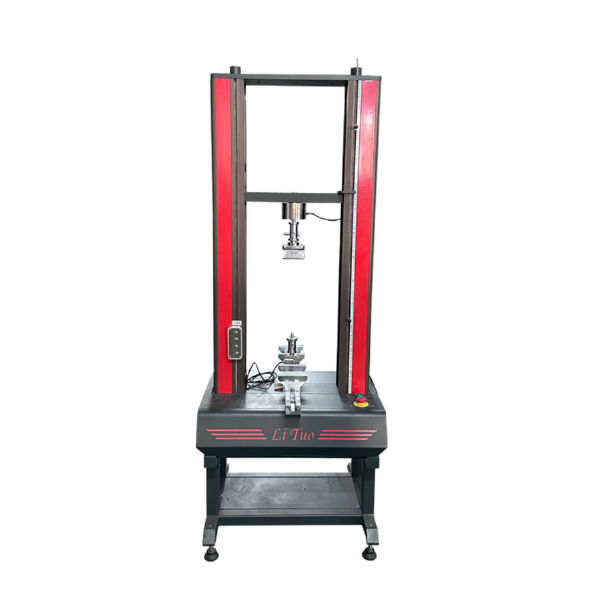
Core Technology: How Servo Control and Digital Sensing Work Together
At the heart of this advanced testing system lies two critical components: a precision servo control system and a high-accuracy digital load cell. The servo system provides exceptionally smooth, controllable, and repeatable force application, while the digital load cell captures force measurements with minimal signal noise and interference. This combination, managed by sophisticated computer software, allows for testing modes impossible with conventional mechanical testers.
Key System Components
- Servo Drive System: Provides precise control over test speed, position, and force application for consistent, repeatable results.
- High-Precision Load Cell: The core sensing element that accurately measures tension and compression forces, typically with accuracy of ±0.5% or better of reading.
- Advanced Control Software: Allows programming of complex test sequences, real-time data graphing, and automatic calculation of material properties.
- Versatile Frame Design: Rigid construction in single or dual column configurations to accommodate various force capacities and test requirements.
Comprehensive Testing Capabilities: Beyond Simple Tension
While named a “tensile” tester, this machine’s capabilities extend far beyond simple pulling tests. Its versatile design allows it to perform virtually all standard mechanical tests on materials and components.
1. Fundamental Mechanical Tests
- Tensile Strength: Measures resistance to pulling forces until failure.
- Compression Testing: Evaluates material behavior under crushing loads.
- Flexural/Bending Tests: Determines stiffness and strength when subjected to bending forces.
- Shear Strength Testing: Measures resistance to sliding or cutting forces.
2. Specialized Material Tests
- Tear Resistance: Critical for films, textiles, and paper products.
- Peel/Adhesion Testing: Evaluates bond strength of adhesives, tapes, laminates, and coatings.
- Seam Strength: Tests integrity of welded, sewn, or bonded joints in fabrics and plastics.
3. Advanced Testing Modes
- Constant Stress/Strain Testing: Maintains a set force or deformation rate to study material behavior under sustained loading.
- Creep and Stress Relaxation: Measures material deformation over time under constant load, or force decay under constant deformation.
- Cyclic/Fatigue Testing: Applies repeated loading to determine material endurance limits.
Specialized Fixtures and Accessories for Diverse Applications
The true versatility of a servo system tensile testing machine comes from its modular design. By changing grips, fixtures, and accessories, the same base machine can perform radically different tests.
Common Fixture Configurations
- Flat Jaw Grips: For standard tensile tests on flat specimens like metals, plastics, and textiles.
- Roller Grips: Prevent specimen damage during textile and fiber testing.
- Compression Platens: Flat plates for testing materials in compression.
- Bending Fixtures: Three-point and four-point bend fixtures for flexural testing.
- Peel Test Fixtures: 90-degree and 180-degree fixtures for adhesive and tape testing.
- Tear Test Fixtures: Elmendorf and trouser tear fixtures for film and paper.
- Specialized Fixtures: For cupping tests, button pull tests, and other industry-specific measurements.
Industry Applications Across Material Types
Plastics and Polymers
Tests tensile strength, elongation, modulus of elasticity, and tear resistance of films, sheets, molded parts, and composite materials.
Textiles and Nonwovens
Evaluates fabric strength, seam integrity, elastic recovery, and fiber properties for apparel, technical textiles, and geotextiles.
Paper and Packaging
Measures burst strength, tear resistance, compression strength of corrugated board, and seal strength of packaging materials.
Rubber and Elastomers
Tests tensile strength, elongation, compression set, and stress relaxation for seals, gaskets, tires, and industrial rubber products.
Adhesives and Tapes
Evaluates peel strength, tack, shear adhesion, and cohesive strength for pressure-sensitive adhesives, tapes, and structural bonds.
Operational Workflow: From Setup to Detailed Report
Modern computer-controlled systems streamline the testing process. After selecting and installing the appropriate fixtures, the operator uses the software to define test parameters (speed, stop conditions, calculations). The specimen is mounted, and the test is initiated with a single click. The servo system executes the test with perfect repeatability while the software records force, displacement, and time data at high frequency. Immediately after test completion, the system generates comprehensive reports with calculations of modulus, yield strength, peak load, elongation at break, and other critical parameters.
Key Considerations When Selecting a Testing System
- Force Capacity: Choose a machine with appropriate maximum force rating for your materials (typically ranging from 1kN to 300kN or more).
- Test Space Dimensions: Ensure adequate clearance between columns and vertical space for your largest specimens.
- Speed Range: Verify the machine can achieve both very slow speeds for creep tests and higher speeds for standard tests.
- Software Capabilities: Evaluate whether the software supports your required tests, calculations, and data export formats.
- Accuracy Class: Consider whether you need Class 0.5, Class 1, or higher accuracy based on your quality standards.
- Future Expandability: Select a system that can accommodate additional fixtures and accessories as your testing needs evolve.
Compliance with International Standards
Computer servo tensile testers help manufacturers comply with numerous international testing standards across industries:
- ASTM Standards: D638 (plastics), D412 (rubber), D882 (thin plastic), D5034 (textiles), D3330 (tape)
- ISO Standards: 527 (plastics), 37 (rubber), 1184 (films), 13934 (textiles)
- Industry-Specific Standards: TAPPI, DIN, JIS, GB, and many others
Conclusion: The Indispensable Tool for Material Characterization
The Computer Servo System Tensile Testing Machine has evolved from a simple force measurement device into a comprehensive material characterization system. Its combination of precision servo control, digital sensing, and sophisticated software makes it an indispensable tool for any organization involved in material development, quality control, or failure analysis. By providing accurate, repeatable data across a wide spectrum of mechanical tests, this equipment enables better material selection, optimized product design, and higher manufacturing quality—ultimately leading to safer, more reliable products in virtually every sector of the global economy.
Post time: Jan-13-2026


