



Measure the Force: How a Table Top Pull Tester Solves Your Biggest QC Challenges
In the world of manufacturing and quality control, strength is often a non-negotiable specification. Will that adhesive bond hold? Is the wire strong enough to withstand installation? Does the plastic clip have the required tensile strength? Answering these questions used to require expensive, bulky equipment. Today, the solution is compact, affordable, and sits right on your bench: the Electronic Table Type Pull Test Machine. This versatile, portable instrument brings precision force measurement to any lab, production floor, or workshop. This guide will show you how this powerful portable pull test machine works and how it can revolutionize your quality assurance process.
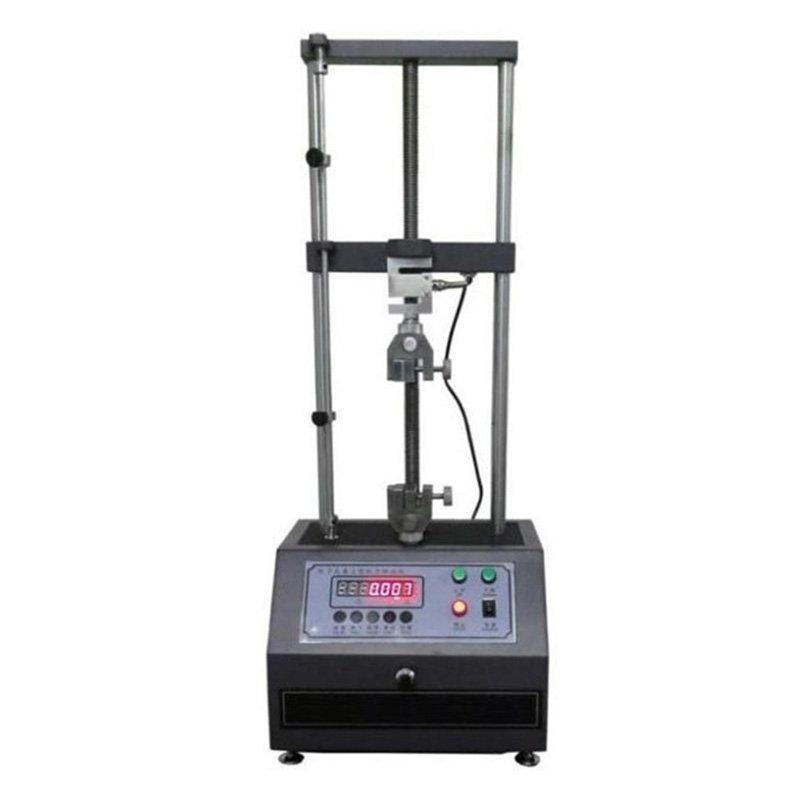
What is an Electronic Table Type Pull Test Machine?
An Electronic Table Type Pull Test Machine is a compact, benchtop instrument designed to perform precise tension (pull) and sometimes compression tests on materials, components, and assemblies. It typically consists of a load frame, a precision load cell, a drive system, and a digital display. Unlike massive floor-standing universal testers, this table top tensile tester is optimized for lower force applications (from 1kg to 50kg as per your parameters), making it ideal for testing the strength of small parts like wires, adhesives, textiles, and electronic components. Its key advantage is bringing lab-grade accuracy to a small, affordable, and easy-to-use package.
Core Components for Precision on Your Bench
The reliability of this tester comes from its integrated design:
- High-Accuracy Load Cell: The heart of the system, capable of measuring force with a resolution of 1/1000 and an accuracy of ±1%.
- Drive System & Lead Screw: Provides smooth, controlled movement for the crosshead, with a test speed range of 10-500 mm/min.
- Versatile Grips & Fixtures: Interchangeable grips (e.g., wire grips, pneumatic grips, peel test fixtures) to hold various samples securely.
- Digital Display & Controller: An intuitive interface for setting tests and displaying results like peak force (highest value) and rupture value.
How It Works: Simple Operation for Complex Answers
Operating a portable pull test machine is a straightforward process that delivers complex data. The operator selects the appropriate grips and installs the sample. Through the digital interface, they set the test parameters like speed and desired units (kg, g, Lb, N). When the test starts, the motor drives the crosshead, applying a steadily increasing pulling force to the sample. The digital force gauge (load cell) continuously records the force, while the system tracks the displacement. The display then shows critical results, including the maximum force sustained and the force at the moment of rupture, providing a complete picture of the sample’s tensile properties.
Versatile Applications: Where is This Tester Used?
The true power of the Electronic Table Type Pull Test Machine lies in its wide-ranging applicability. It is a fundamental tool for small force measurement across countless industries:
- Electronics Manufacturing: Testing the pull strength of connectors, sockets, and wire bonds.
- Adhesive & Sealant Industry: Performing peel tests and lap-shear tests to validate bond strength as a reliable adhesive bond tester.
- Textile & Apparel: Measuring the breaking strength of threads, zippers, and fabrics.
- Wire & Cable: Determining the tensile strength of fine wires and cables.
- Packaging: Testing the seal strength of plastic bags and pouches.
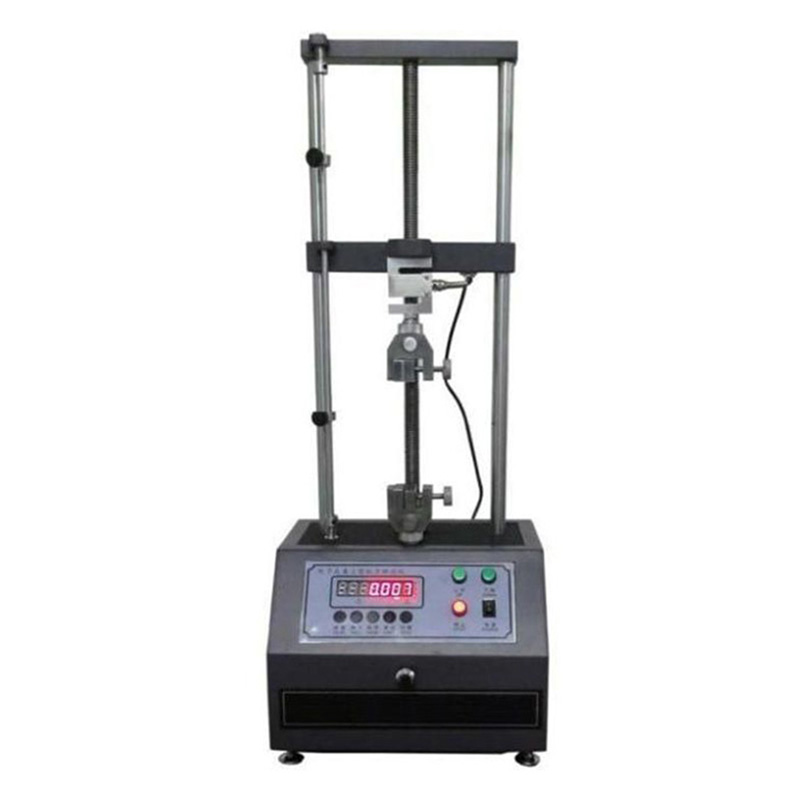
Decoding the Technical Parameters for Your Needs
Understanding the specifications is key to selecting the right model. Here’s what the key parameters mean for you:
- Capacity Selection (1kg-50kg): Choose a capacity that is 20-50% higher than your expected maximum breaking force for optimal accuracy.
- Weight Accuracy (±1%) & Resolution (1/1000): This level of precision ensures your data is reliable and repeatable for quality documentation.
- Test Speed (10-500 mm/min): The ability to adjust speed is critical for replicating real-world conditions and complying with specific test standards.
- Maximum Trip (300mm): This determines the maximum elongation or sample size you can test, crucial for materials with high stretch.
- Portability (35 Kg, Table Top): Its compact size and weight mean you can easily move it between production line and lab as needed.
How to Choose the Perfect Table Top Tensile Tester
Selecting the ideal Electronic Table Type Pull Test Machine for your application boils down to a few critical questions:
- What is your maximum expected force? This is the most important factor for selecting the machine’s capacity.
- What types of samples will you test? Ensure the manufacturer offers a wide range of compatible grips and fixtures (e.g., wire grips, roller grips, tensile grips).
- Do you need data export capabilities? Basic models display data, while advanced ones can connect to software for detailed analysis and reporting.
- What level of accuracy is required? For most QC applications, ±1% is sufficient, but research applications may demand higher precision.
- How simple does operation need to be? If used by multiple operators, a simple, intuitive interface is vital.
Conclusion: Empower Your QC with Affordable Precision
In conclusion, an Electronic Table Type Pull Test Machine is more than just a piece of test equipment; it is an empowerment tool for any business that cares about product quality. By providing affordable, accessible, and precise data on the tensile properties of your materials and components, it enables you to prevent failures, optimize designs, and build a reputation for reliability. In a competitive market, the ability to quantitatively verify strength is a significant advantage. This compact tester puts that power right on your tabletop.
Post time: Nov-18-2025


