


Packaging is the first line of protection between a finished product and the outside environment. During storage, transportation, loading and unloading, packages can experience compression, impact, vibration and mechanical handling. If the packaging is not strong enough, the product inside may be damaged even when the product itself meets all quality requirements. This is why packaging strength testing plays an important role in product quality control and transportation safety.
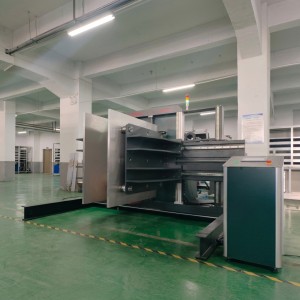
One important aspect of packaging performance is resistance to mechanical clamping. Large packages for furniture, home appliances, kitchenware and other finished products may be handled by mechanical clamps during warehouse operations and loading or unloading. The pressure generated by the clamp plates can be transferred directly to the packaging and the product inside. If the package cannot withstand this force, it may become deformed, crushed or damaged.
A Package Clamping Force Testing Machine is designed to simulate these real-world handling conditions. During the test, two clamping plates apply a controlled force to the packaged product while the movement of the plates and applied force are controlled. This allows manufacturers and laboratories to evaluate the clamp strength of packaging under repeatable testing conditions.
The applied force is one of the most important parameters in a packaging clamp strength test. Different products and packaging structures may require different clamping forces. A professional package clamping force tester can provide a controlled force range and use a force sensor with a digital display to help calibrate and monitor the applied load. This makes the test more reliable than simply applying an estimated manual force.
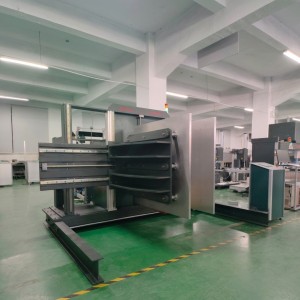
Packaging dimensions are another important consideration. Furniture, appliances and other large consumer products often require relatively large packages. Therefore, a packaging clamp testing machine needs to accommodate different package sizes and provide sufficient clamping space. Adjustable clamping speed and vertical movement also allow laboratories to reproduce different handling conditions more effectively.
Packaging strength testing is not only about preventing visible carton damage. Excessive clamping pressure can cause deformation of internal cushioning materials, damage protective structures or transfer excessive force to the product itself. For fragile or high-value products, even a small packaging failure can result in significant transportation losses, customer complaints and increased return costs.
For manufacturers serving international markets, standardized testing is particularly important. ASTM D6055 provides test methods related to mechanical handling of unitized loads and packages, including clamp handling conditions. Conducting testing according to applicable standards can help manufacturers evaluate packaging designs before mass production and identify potential weaknesses during product development.
A well-designed package clamping force testing machine can therefore become an important part of a packaging quality-control system. By controlling clamping force, plate movement, speed and package positioning, manufacturers can compare different packaging structures and determine whether a package provides sufficient protection for its intended distribution environment.
In addition to packaging manufacturers, furniture companies, appliance manufacturers, kitchenware producers and other finished-product manufacturers can benefit from packaging strength testing. Testing can be performed during new package development, material selection, supplier evaluation and quality-control inspections. The results can help engineers optimize carton structures, protective materials and internal supports before products enter the distribution chain.
Ultimately, strong packaging is not simply packaging that looks durable. It must be capable of protecting the product under the actual mechanical stresses encountered throughout transportation and handling. Through packaging clamp strength testing, package clamping force testing and other transportation-related evaluations, manufacturers can identify weaknesses early, reduce product damage and improve the reliability of their packaging systems.
As global supply chains become increasingly complex, packaging must withstand more than basic storage conditions. Professional packaging testing equipment provides manufacturers with a controlled way to evaluate packaging performance and make data-driven improvements. For companies shipping large or valuable finished products, packaging strength testing is therefore an important investment in product safety, customer satisfaction and overall logistics efficiency.
Post time: Oct-21-2026


