


Introduction: Why Joint Impact Testing Matters
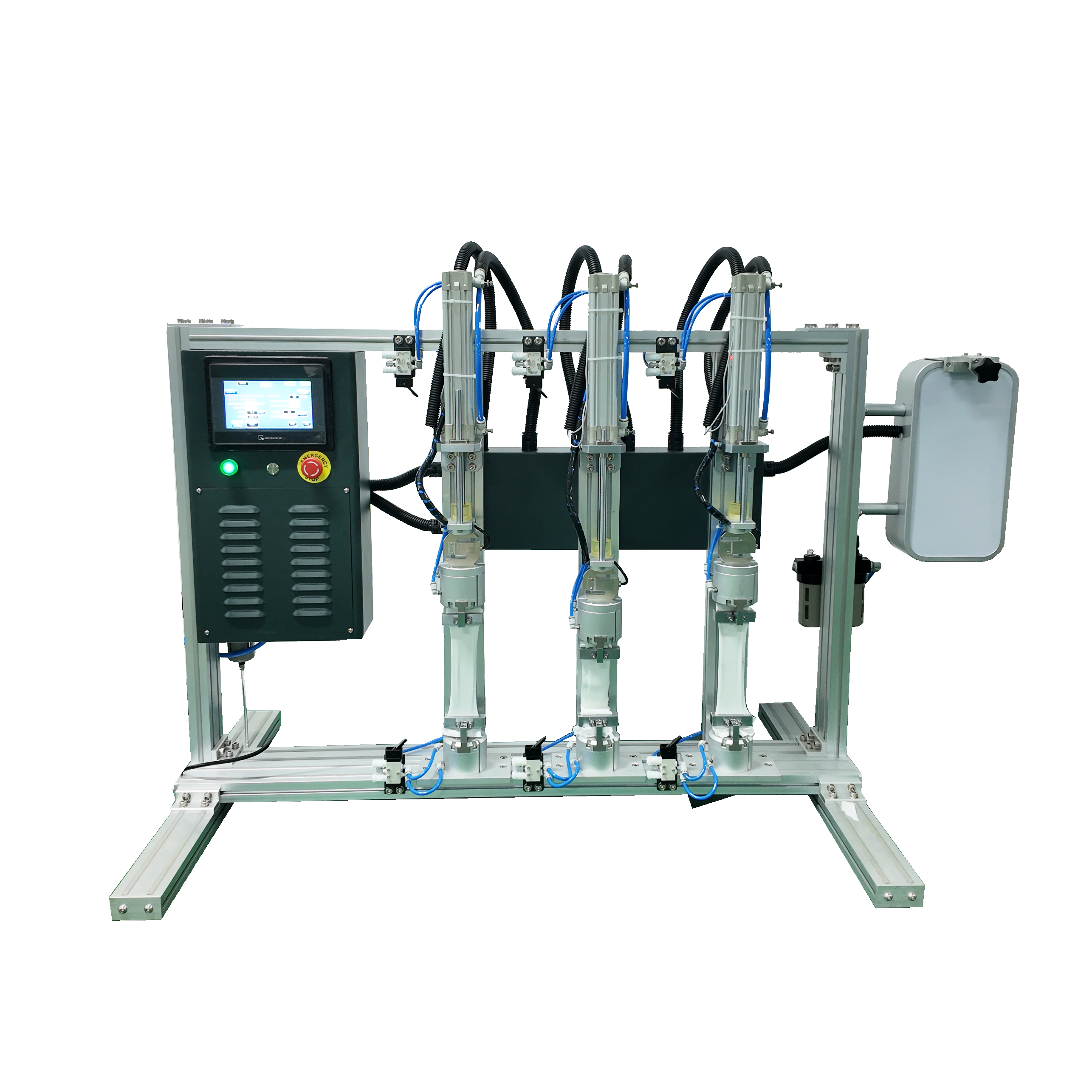
On any upholstered sofa, the joint positions — where fabric panels are sewn, stapled, or glued together — are the most vulnerable points under daily use. Sitting down, shifting weight, and children jumping all create repeated load, force, and stress on these seams. The Sofa Joint Position Impact Resistance Fatigue Testing Machine is specifically designed to simulate these real-world mechanical actions, allowing manufacturers to evaluate how well decorative fabrics and their joints withstand long-term fatigue. This equipment helps predict seam failure, fabric tearing, or stitch unraveling before products reach customers.
How the Test Machine Works
The Sofa Joint Position Impact Resistance Fatigue Testing Machine uses a programmable impactor or pneumatic actuator to apply controlled cyclic forces directly to the joint area of a fabric sample or upholstered test panel. Key features include:
- Adjustable impact force: Simulates different user weights and sitting actions.
- Variable frequency: 10–30 cycles per minute to mimic normal to aggressive use.
- Interchangeable indenters: Rounded or flat shapes to replicate knee, elbow, or heel pressure.
- Force measurement: Load cell monitors actual applied stress.
- Cycle counter: Preset up to 100,000 cycles or more.
During testing, the machine repeatedly impacts the sewn joint or fabric overlap. Engineers periodically inspect for thread breakage, fabric fraying, seam slippage, or permanent deformation. The test ends when the sample fails or reaches the target cycle count.
Applications in Furniture Quality Control
This machine is essential for:
- Seam strength validation: Compare different stitch types (lockstitch vs. chainstitch) and thread materials.
- Fabric selection: Test how different decorative fabrics (linen, polyester, velvet, leather) resist joint fatigue.
- Foam and interliner interaction: Evaluate if underlying cushioning affects seam stress concentration.
- Production consistency: Audit random samples from upholstery lines to ensure stitching quality.
Key Benefits for Manufacturers
- Reduce warranty claims: Catch weak seams before furniture is shipped.
- Optimize material costs: Avoid over-specifying heavy thread or reinforced webbing.
- Meet standards: Align with BIFMA X5.4 (sofa durability) or EN 16139 requirements.
- Data-driven design: Use impact fatigue data to improve joint geometry and sewing patterns.
Conclusion: Invest in Long-Lasting Upholstery
The Sofa Joint Position Impact Resistance Fatigue Testing Machine provides objective, repeatable data on how seams and decorative fabrics perform under real-world stress. For any upholstered furniture manufacturer, this equipment is a smart investment in product quality, customer satisfaction, and brand reputation.
Post time: May-26-2026


