


Introduction: Why Temperature Testing is Indispensable
The High and Low Temperature Test Chamber (also known as a thermal test chamber or temperature cycling chamber) is a fundamental environmental simulation device. It creates controlled high-temperature and low-temperature environments to evaluate how products, materials, and components perform under extreme thermal conditions. By rapidly exposing specimens to heat, cold, or alternating temperature cycles, this equipment helps manufacturers identify design flaws, predict service life, and ensure product quality before market release. Industries ranging from electronics and automotive to aerospace and medical devices rely on high-low temperature chambers for compliance, reliability testing, and failure analysis.
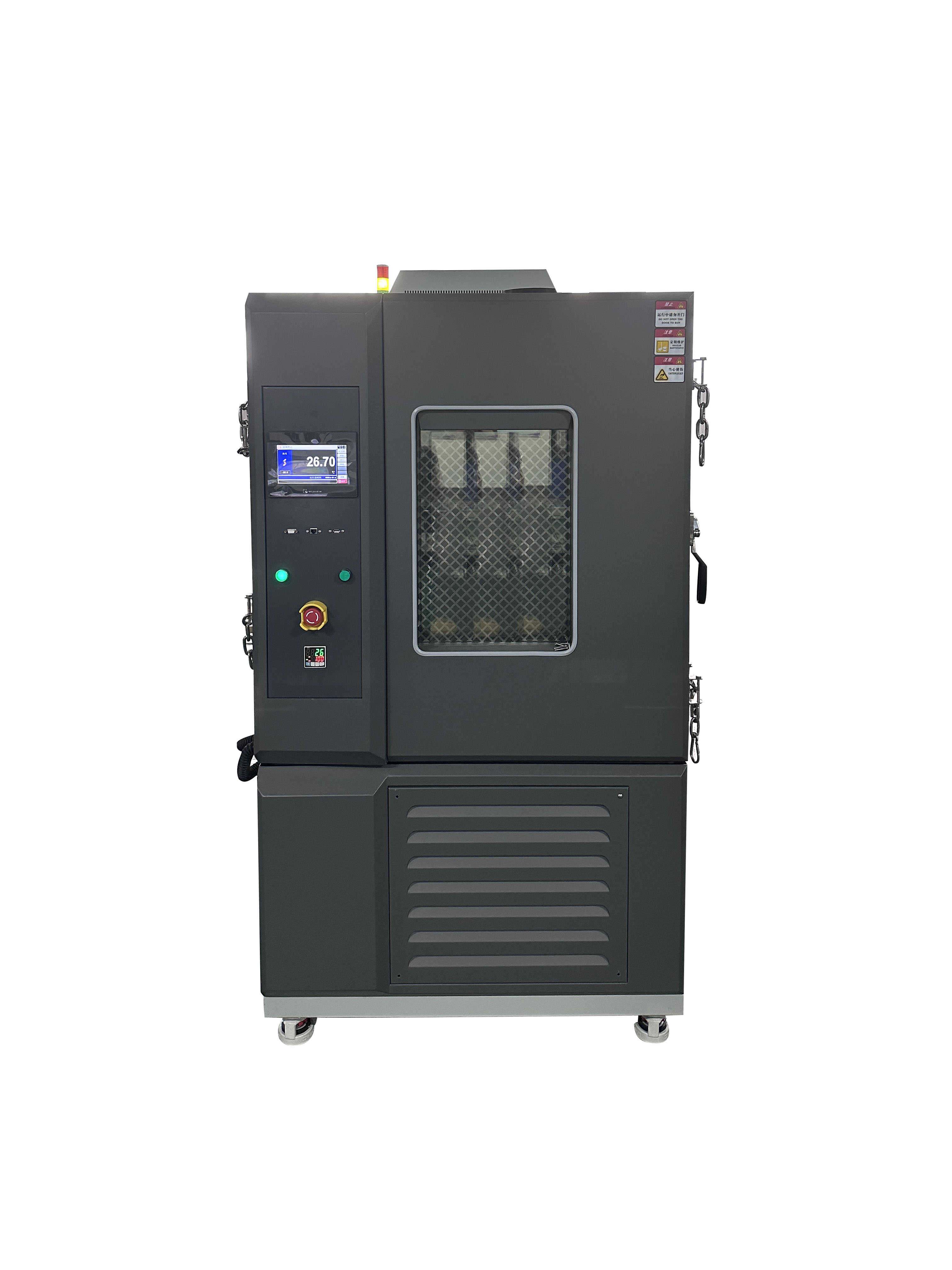
How a High and Low Temperature Test Chamber Works
A High and Low Temperature Test Chamber uses a balanced refrigeration system (compressor-based) and electric heaters to achieve precise temperature control. Key components include:
- Refrigeration unit: Cools the chamber down to -70°C or lower using cascade or single-stage compressors.
- Heating system: Nichrome wire or ceramic heaters raise temperatures up to +150°C or +180°C.
- Programmable controller: Touchscreen interface to set temperature profiles, ramp rates, dwell times, and cycle counts.
- Air circulation fan: Ensures uniform temperature distribution (typically ±0.5°C to ±2°C).
- Safety protections: Over-temperature limit, door interlock, and refrigerant pressure monitoring.
Tests can be constant temperature (e.g., 80°C for 48 hours), thermal cycling (e.g., -40°C to +85°C with 5°C/min ramp), or thermal shock (rapid transfer between hot and cold zones).
Key Applications Across Industries
The High and Low Temperature Test Chamber is widely used for:
- Electronics: Testing circuit boards, semiconductors, batteries, and displays for solder joint reliability and component stability.
- Automotive: Validating sensors, control units, and interior materials against extreme under-hood or cold-start conditions.
- Aerospace & Defense: Certifying avionics, navigation systems, and structural composites per MIL-STD-810.
- Plastics & Polymers: Evaluating embrittlement at low temperatures or softening at high temperatures.
- Medical Devices: Ensuring diagnostic equipment and drug storage packaging withstand transport through varied climates.
- Battery Testing: Lithium-ion cells are cycled from -40°C to +60°C to assess performance and safety.
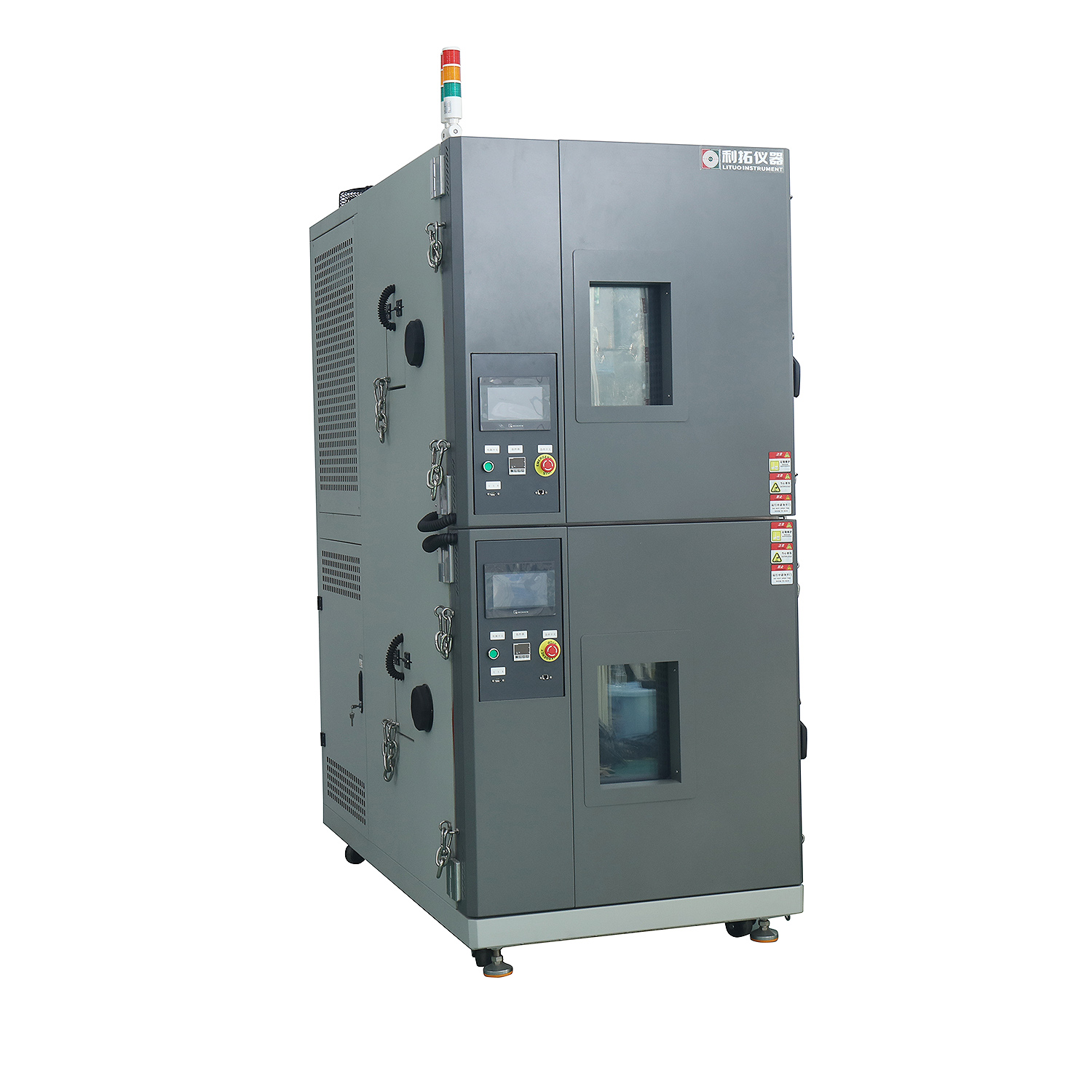
Benefits of Using a High and Low Temperature Test Chamber
- Defect detection: Expose hidden failures (cracks, delamination, seal leaks) before mass production.
- Accelerated life testing: Compress years of thermal stress into days or weeks.
- Compliance with standards: Meet IEC 60068-2, GB/T 2423, MIL-STD-810, JIS, and other global norms.
- Quality assurance: Batch testing ensures consistent manufacturing processes.
- Design optimization: Compare material or component candidates under identical thermal profiles.
Selecting the Right Chamber: Key Parameters
- Temperature range: Choose based on your product’s intended environment (e.g., -40°C to +150°C for general electronics).
- Chamber volume: From 50L benchtop units to walk-in rooms for large assemblies.
- Ramp rate: Faster ramping (5–10°C/min) reduces test time but increases cost.
- Control accuracy: Look for ±0.5°C uniformity for critical applications.
- Data logging: USB/Ethernet outputs for test traceability and SPC.
Common Test Standards
A professional High and Low Temperature Test Chamber is designed to comply with:
- IEC 60068-2-1 (Cold test)
- IEC 60068-2-2 (Dry heat test)
- GB/T 2423.1 / .2 (Chinese national standards)
- MIL-STD-810G (Method 502.5 – Low temperature, Method 501.5 – High temperature)
- JIS C60068 (Japanese standard)
Conclusion: Essential Tool for Product Reliability
From semiconductor chips to automotive batteries, every product must survive the temperatures of its operating environment. The High and Low Temperature Test Chamber provides the controlled, repeatable thermal stress needed to uncover weaknesses, validate materials, and guarantee quality. Investing in a high-quality chamber is an investment in customer trust, reduced warranty costs, and competitive advantage in global markets.
Post time: May-29-2026


