


Introduction: Why Abrasion Testing is Critical for Skate Wheels
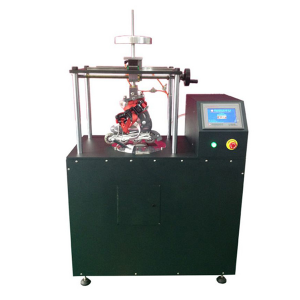
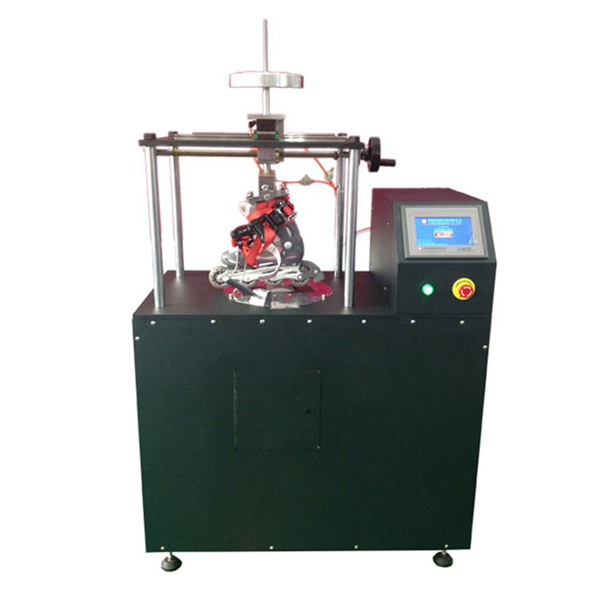
Skate wheels are constantly exposed to abrasive surfaces — asphalt, concrete, skate park ramps, and indoor rinks. Over time, wear reduces wheel diameter, changes durometer characteristics, and compromises grip and speed. The Roller Skate Wheel Abrasion Tester is a specialized instrument designed to objectively measure wear resistance of wheels used on inline skates, quad skates, and roller skates. By simulating real-world friction and road contact under controlled conditions, this machine helps manufacturers develop longer-lasting wheels, maintain batch consistency, and meet industry quality standards.
How the Abrasion Tester Works
The Roller Skate Wheel Abrasion Tester typically uses a rotating abrasive drum or belt against which the test wheel is pressed under a calibrated load. The machine rotates the skate wheel or the abrasive surface at a specified speed while applying a constant downward force (simulating skater weight). After a predetermined number of revolutions or distance, the operator measures the mass loss or diameter reduction of the wheel. Key parameters include:
- Applied load: Adjustable (e.g., 20kg – 100kg) to simulate different rider weights.
- Rotation speed: Typically 200–500 rpm to mimic skating velocities.
- Abrasive medium: Standardized sandpaper, carborundum drum, or concrete replica.
- Test duration: Programmable number of cycles or sliding distance (e.g., 500m, 1000m).
- Wear measurement: Precision balance (0.001g resolution) or micrometer.
Key Test Metrics and Calculations
Using the Roller Skate Wheel Abrasion Tester, manufacturers can calculate:
- Mass loss (mg): Weight difference before and after test.
- Wear rate (mg/km): Mass loss per unit sliding distance.
- Diameter reduction (mm): Critical for predicting wheel life and performance changes.
- Volume loss (mm³): Normalized by wheel hardness and composition.
Applications and Benefits
The Roller Skate Wheel Abrasion Tester is essential for:
- Wheel material R&D: Compare urethane formulations, hardness levels, and additive packages.
- Production quality control: Ensure every batch meets wear resistance specifications.
- Competitive benchmarking: Quantify how your wheels compare to market leaders.
- Claim validation: Support marketing statements like “30% longer wear life”.
Benefits include reduced customer complaints, lower warranty returns, and data-driven product improvement.
Compliance with Industry Standards
While there is no single global standard exclusively for skate wheel abrasion, the Roller Skate Wheel Abrasion Tester is often designed to reference:
- ASTM D3389: Standard test method for coated fabrics abrasion (rotary platform abrader).
- ISO 4649: Rubber – Determination of abrasion resistance using a rotating cylindrical drum.
- Manufacturer-specific protocols: Many skate brands develop internal test methods based on real-use simulation.
Selecting the Right Machine
When choosing a Roller Skate Wheel Abrasion Tester, consider:
- Maximum wheel size: Accommodate inline skate wheels (typically 70–125mm diameter) and quad wheels.
- Load range: Up to 100kg for heavy-duty or bariatric simulation.
- Environmental control (optional): Some testers include temperature chambers to test wear at different climates.
- Automation: Programmable cycle count, automatic shutdown, and data logging.
Conclusion: Invest in Wear Resistance Data
The Roller Skate Wheel Abrasion Tester transforms subjective “this wheel wears fast” observations into precise, actionable data. By simulating thousands of skating kilometers in a few hours, this machine helps you engineer wheels that balance grip, speed, and longevity — delivering better products and happier customers.
Post time: Jun-08-2026


