


Introduction: Why Lock Fatigue Testing is Critical
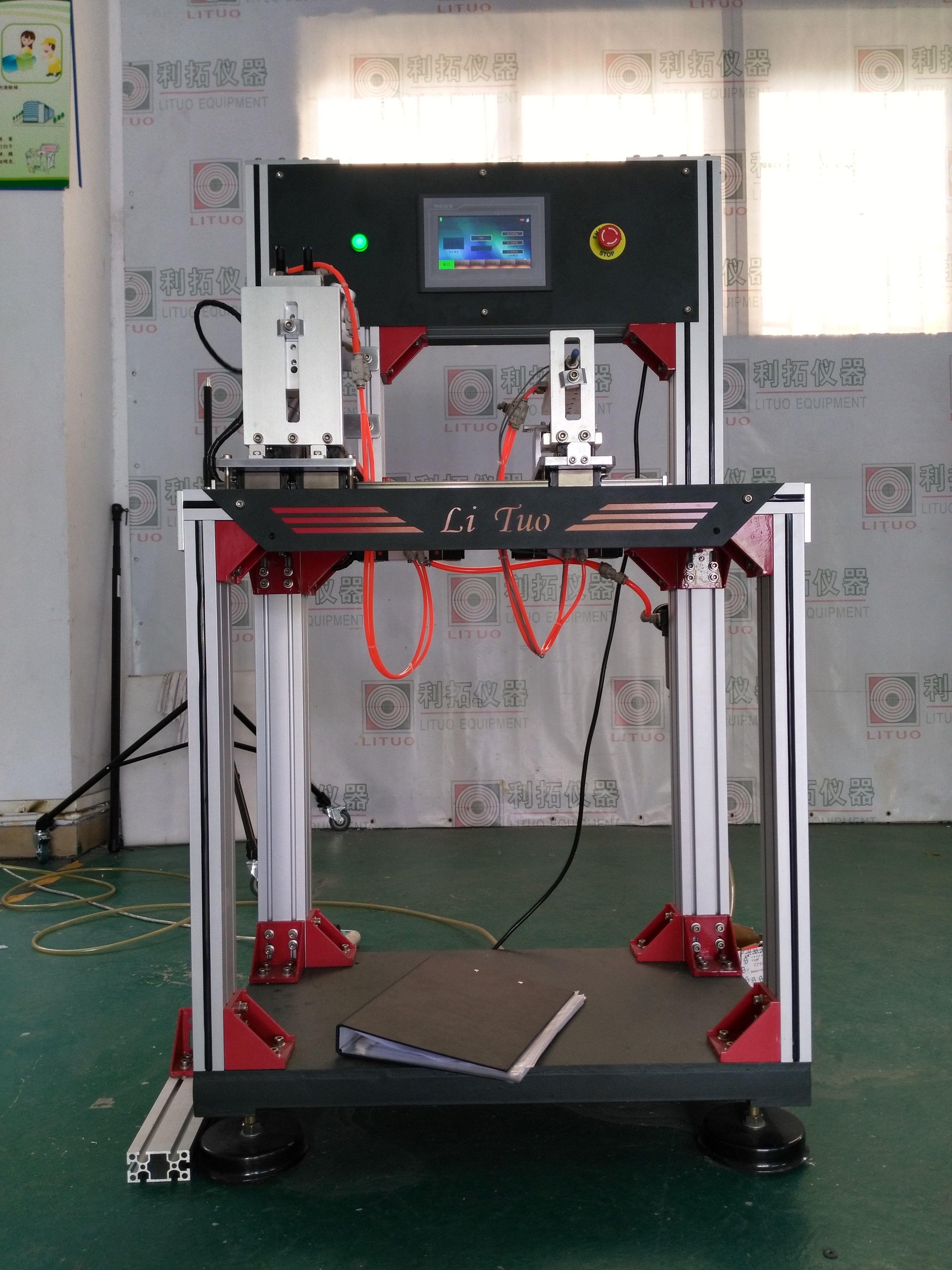
Single-point locks are widely used in doors, cabinets, and industrial enclosures. Their long-term reliability directly impacts security and user convenience. The Single-Point Lock Fatigue Tester is a specialized electromechanical test system designed to perform repeated opening and closing cycles on single-point lock mechanisms — Types I, II, and III — under controlled conditions. This equipment verifies that after hundreds of thousands of cycles, the lock still operates smoothly and maintains the required operating force or torque per industry standards.
Standard Test Requirements Overview
Per section 4.4.4 – Repeated opening and closing, the Single-Point Lock Fatigue Tester must validate three lock types against the following criteria:
- Type I: After 150,000 cycles, the lock must still open/close with an operating force meeting the requirements of clause 4.4.1(a).
- Type II: After 150,000 cycles, the lock must still open/close with an operating torque meeting the requirements of clause 4.4.1(b).
- Type III: After 50,000 cycles, the lock must still open/close with an operating torque meeting the requirements of clause 4.4.1(c).
Test Procedure (Per 5.4.4)
The Single-Point Lock Fatigue Tester follows a standardized procedure to ensure repeatable, auditable results:
- Installation: Mount the single-point lock (Type I, II, or III) in its actual use configuration. For Types I and II, ensure the locking hook does not collide with the strike plate during motion. For Type III, install on a rigid member.
- Test frequency: Set the tester to cycle between 10 and 15 cycles per minute (cpm).
- Cycle definition: One complete open-close cycle (fully retracted → fully extended → fully retracted).
- Interim measurements: Every 5,000 cycles, pause the test and measure the operating force (for Type I) or operating torque (for Types II & III) using a calibrated gauge per clause 5.4.1.
- Final target: Continue until the required total cycles are reached (150k for I/II, 50k for III) and perform a final functional check.
-300x225.jpg)
Key Features of the Fatigue Tester
- Programmable cycle counter: Preset up to 200,000 cycles with automatic stop upon completion.
- Adjustable test frequency: 10–15 cpm stepless regulation to match standard requirements.
- Interchangeable fixtures: Quick-change mounting plates for Type I, II, and III locks.
- Force/torque measurement port: Allows attachment of external force gauge or torque wrench without removing the specimen.
- Auto-pause at intervals: Can be programmed to stop automatically every 5,000 cycles for measurement.
- Data logging: Records cycle count, test duration, and operator inputs for quality documentation.
- Safety interlock: Stops the machine if abnormal resistance is detected (e.g., lock jamming).
Applications and Benefits
The Single-Point Lock Fatigue Tester is ideal for:
- Lock manufacturers: Validate product durability before mass production.
- Hardware testing labs: Provide third-party certification per industry standards.
- Quality control departments: Audit production batches for consistent performance.
- R&D teams: Compare new materials or coating treatments under cyclic loading.
Key benefits include:
- Compliance assurance: Meet regulatory requirements for public building hardware.
- Reduced warranty claims: Identify weak designs before field installation.
- Objective data: Quantify operating force/torque degradation over lock life.
- Efficiency: Automated cycling frees technicians for other tasks.
Conclusion: The Standard for Lock Durability Testing
The Single-Point Lock Fatigue Tester is an indispensable instrument for any organization that manufactures, specifies, or certifies locking hardware. With its ability to perform 150,000+ cycles at controlled frequencies, automatically pause for measurements, and accommodate all three lock types (I, II, III), this tester ensures your products will withstand years of daily use while maintaining safe and comfortable operation. Invest in a fatigue tester today to build trust, reduce liability, and deliver locks that last.
Post time: Jun-04-2026


