


A scooter may look simple, but its deck, steering column, handlebar, frame, and other components must withstand significant forces during everyday use. This makes Scooter Strength Testing an important part of product development and quality control.
For manufacturers, strength testing is not simply about determining whether a scooter can carry a certain weight. It helps identify potential structural weaknesses and reduce the risk of component failure during actual use.
What Happens Without Proper Strength Testing?
During riding, a scooter can experience repeated loading, sudden impacts, and changes in weight distribution. The deck and steering system are especially important because they directly support the rider and control the direction of the scooter.
If these components are not sufficiently strong, excessive loads may cause:
- Structural deformation
- Cracks
- Component loosening
- Steering instability
- Frame damage
- Premature product failure
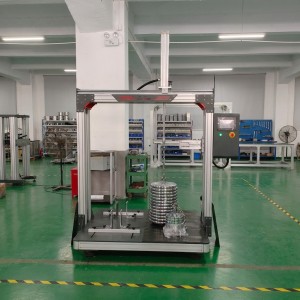
A Scooter Static Strength Tester provides a controlled way to evaluate these potential problems before the product reaches consumers.
What Does a Scooter Static Strength Test Evaluate?
Static strength testing applies a specified load to critical scooter components.
For deck testing, the specimen can be positioned horizontally and subjected to specified loads, including 50 ± 0.5 kg and 100 ± 1 kg.
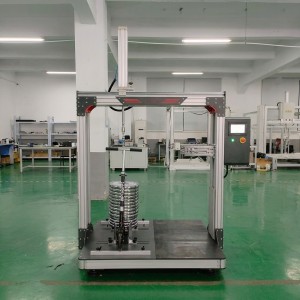
For steering column testing, the scooter can be positioned vertically and tested with specified loads of 50 ± 0.5 kg and 33 ± 0.5 kg.
The test helps determine whether the deck and steering structure can withstand the required load without unacceptable deformation or damage.
Why Test Both the Deck and Steering Column?
The deck and steering column perform different structural functions.
The scooter deck supports the rider’s weight and must maintain its structural integrity under static loading.
The steering column and handlebar system must withstand forces generated when the rider controls the scooter.
Testing both areas provides a more complete understanding of the scooter’s structural performance.
Standards for Scooter Strength Testing
Depending on the product type and target market, scooter manufacturers may need to consider applicable safety and strength standards.
This testing machine is designed to meet or exceed relevant requirements of GB 6675.12-2014 and BS EN 14619:2019.
The exact test procedure and acceptance criteria should always be confirmed against the latest applicable standard and the specific scooter product.
Benefits for Scooter Manufacturers
Proper Scooter Static Strength Testing can help manufacturers:
Improve product safety
Identify structural weaknesses before mass production.
Optimize product design
Compare different materials, structures, and component designs.
Improve quality control
Establish repeatable testing procedures for production inspection.
Support standards compliance
Provide objective test data for applicable safety requirements.
Reduce product risks
Detect potential structural failures before products reach the market.
Conclusion
Scooter Strength Testing is an important part of developing safe and reliable scooters. By testing critical components such as the deck and steering column under controlled static loads, manufacturers can better understand structural performance and improve product quality.
Lituo’s Scooter Static Strength Testing Machine supports both deck and steering column testing with standardized test loads and an adjustable wheel fixture, making it suitable for scooter manufacturers, laboratories, and quality inspection organizations.
Post time: Sep-04-2026


