


Introduction: Why Drop Testing Matters for Product Packaging
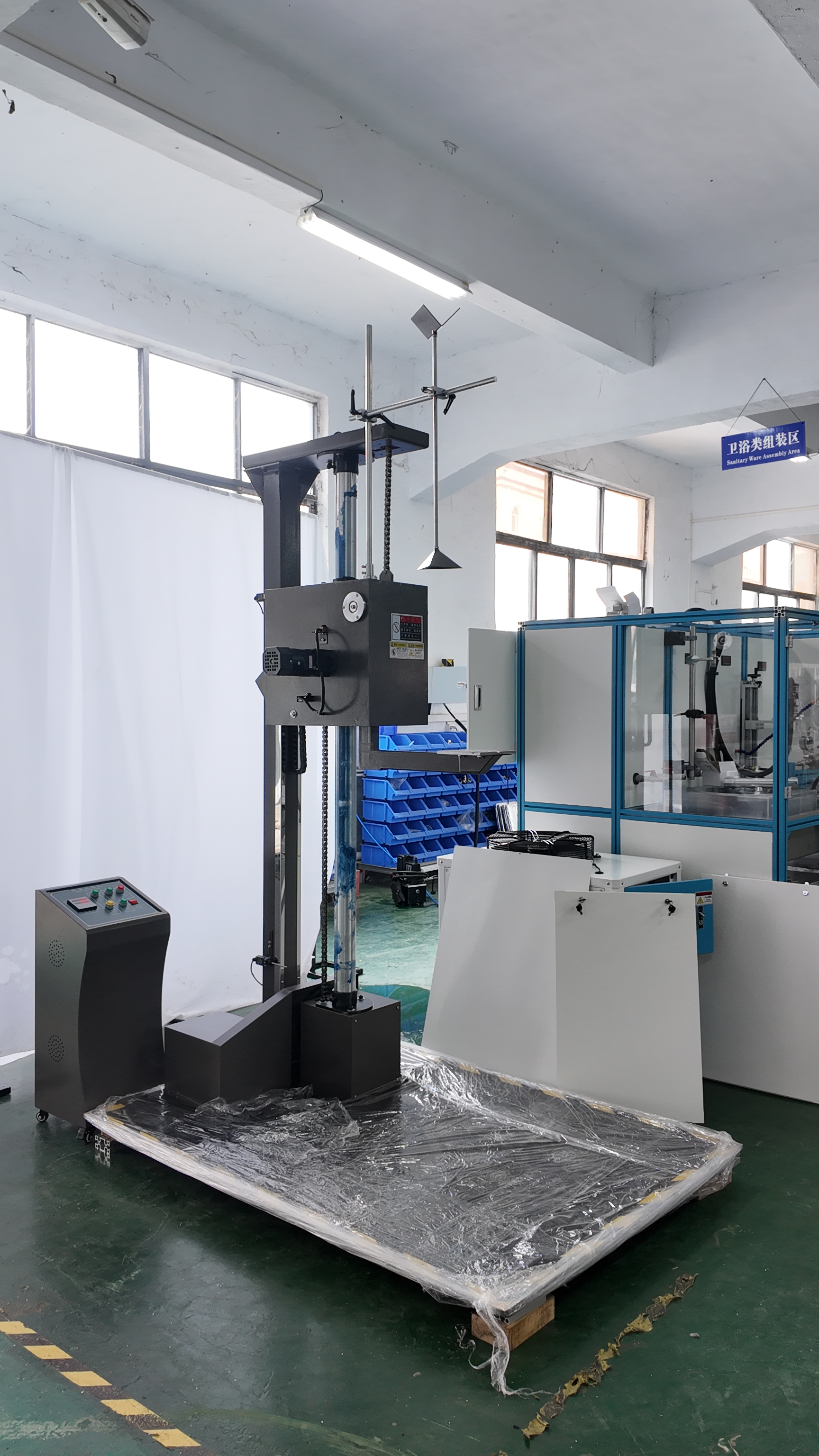
During transportation and handling, packages inevitably suffer falls, bumps, and impacts. A Single-Wing Drop Tester (also known as a single-arm drop test machine) is specifically designed to simulate these real-world drops in a controlled laboratory environment. This equipment evaluates damage to product packaging and quantifies the impact resistance strength of both the outer carton and its internal contents. For manufacturers in e-commerce, logistics, and consumer goods, the Single-Wing Drop Tester is an indispensable tool for ensuring that products survive the rigors of shipping.
How the Single-Wing Drop Tester Works
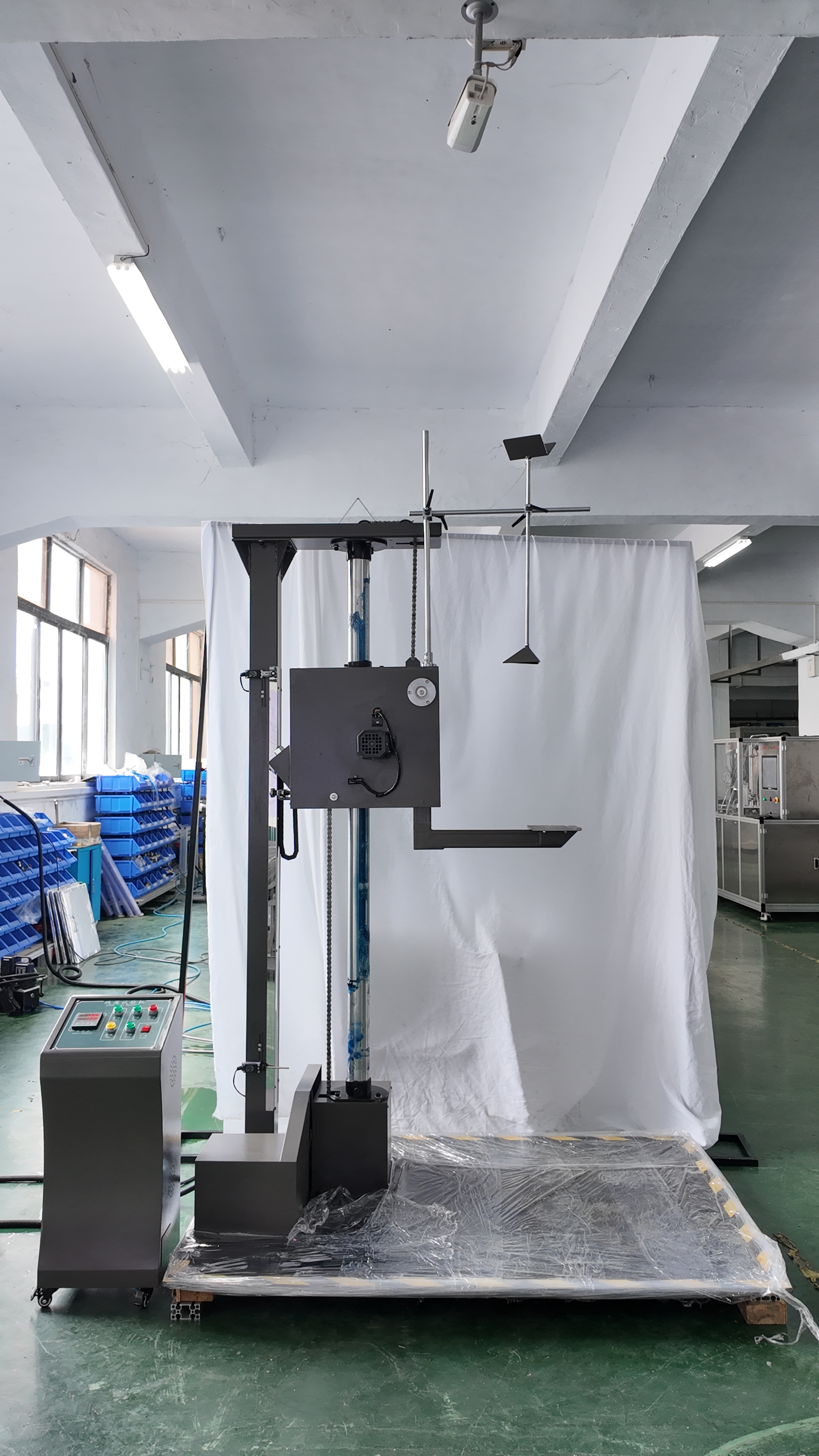
The Single-Wing Drop Tester features a pivoting arm (the “wing”) that holds the test specimen securely at a preset height. When released, the arm drops instantly, allowing the package to fall freely onto a hard impact surface (typically steel or concrete). The machine supports drops from multiple orientations: flat (face), edge, and corner. Key components include:
- Single-Wing Lifting Arm: Holds packages up to 50kg or more.
- Adjustable Drop Height: Typically 300mm to 1500mm (simulating falls from forklifts, conveyors, or truck beds).
- Release Mechanism: Pneumatic or electromagnetic for instantaneous, repeatable drops.
- Base Plate: Rigid steel surface to ensure consistent impact energy.
Using a Single-Wing Drop Tester, quality engineers can determine the exact drop height at which packaging begins to fail, helping optimize corrugated box design, cushioning materials, and palletization methods.
Applications and Test Standards
The Single-Wing Drop Tester is widely used for compliance with international packaging standards, including:
- ISTA (International Safe Transit Association): 1A, 2A, 3A series tests.
- ASTM D5276: Drop test of loaded containers by free fall.
- ISO 2248: Packaging – Complete filled transport packages – Vertical impact test by dropping.
- GB/T 4857.5: Chinese standard for drop testing.
Typical test sequences involve 10–20 drops from specified heights onto different faces, edges, and corners. The Single-Wing Drop Tester automates height setting and release, ensuring repeatable conditions across multiple samples.
Key Benefits of Using a Single-Wing Drop Tester
- Assess Packaging Damage: Visual inspection after drops reveals crushed corners, torn seams, or damaged internal products.
- Evaluate Impact Resistance Strength: Quantify the maximum drop height before failure.
- Reduce Shipping Losses: Identify weak packaging designs before mass production.
- Comply with Retailer Requirements: Many big-box stores and e-commerce platforms demand ISTA-certified packaging.
- Improve Material Efficiency: Avoid over-packaging by finding the optimal corrugate weight or foam thickness.
Selecting the Right Machine
When choosing a Single-Wing Drop Tester, consider maximum load capacity, drop height range, base plate size, and automation features (digital height display, remote release). A robust Single-Wing Drop Tester ensures years of reliable service in both R&D labs and production QC environments.
Conclusion: Essential Investment for Package Integrity
The Single-Wing Drop Tester provides objective, repeatable data on how packaging behaves under impact. By simulating transportation hazards, this machine helps manufacturers prevent costly returns, damaged goods, and unhappy customers. For any business that ships products, a Single-Wing Drop Tester is a smart, money-saving investment.
Post time: Apr-16-2026


